
01
Precision Cutting & Sizing
Glass is cut to project dimensions with tolerances checked before moving to the next process stage — reducing rework and ensuring finished panels match approved drawings.
Processing Capabilities
Processing capability determines what a project can actually specify — not just which glass type is available, but which structural, safety, or decorative treatments can be applied.
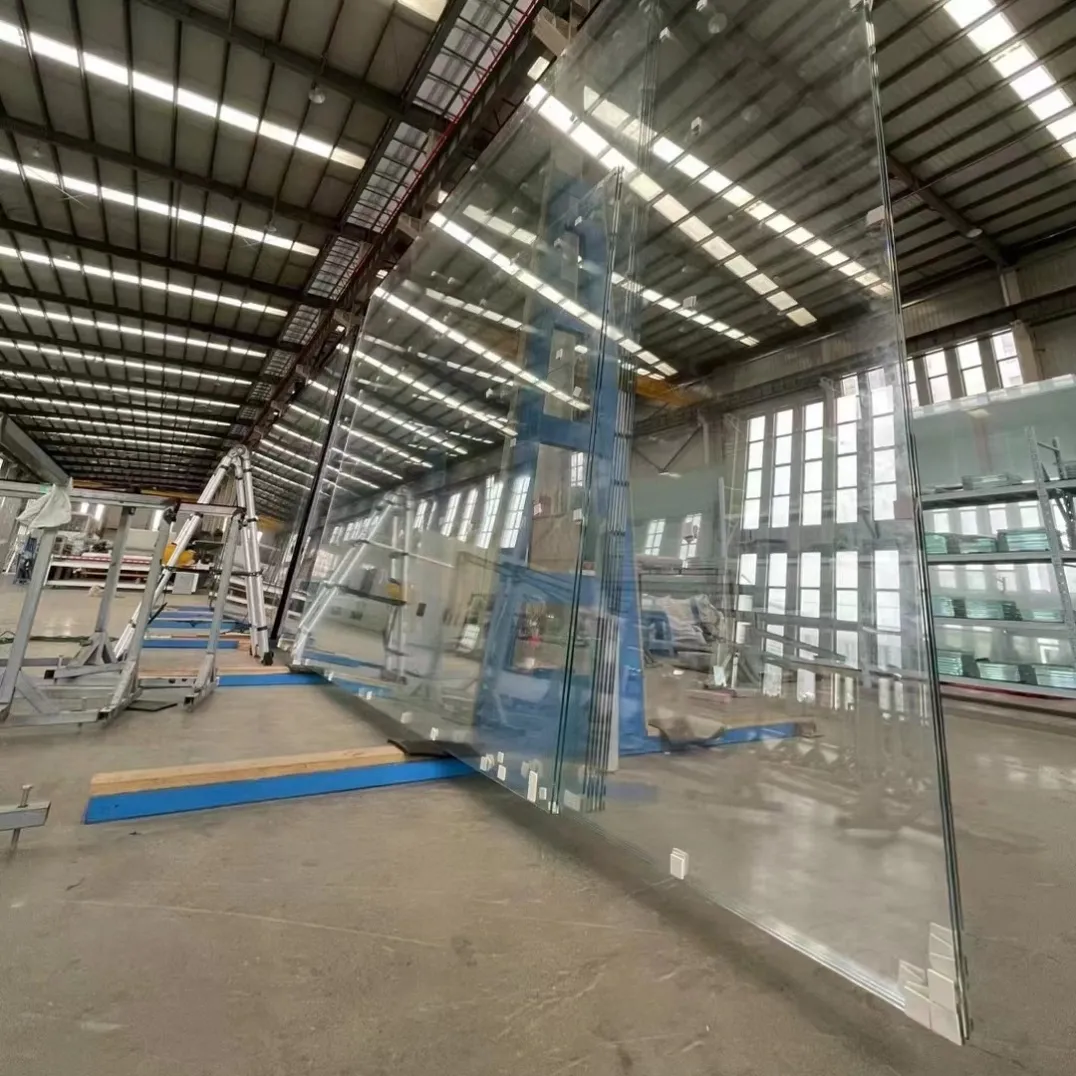
Heat-treated for strength and safety
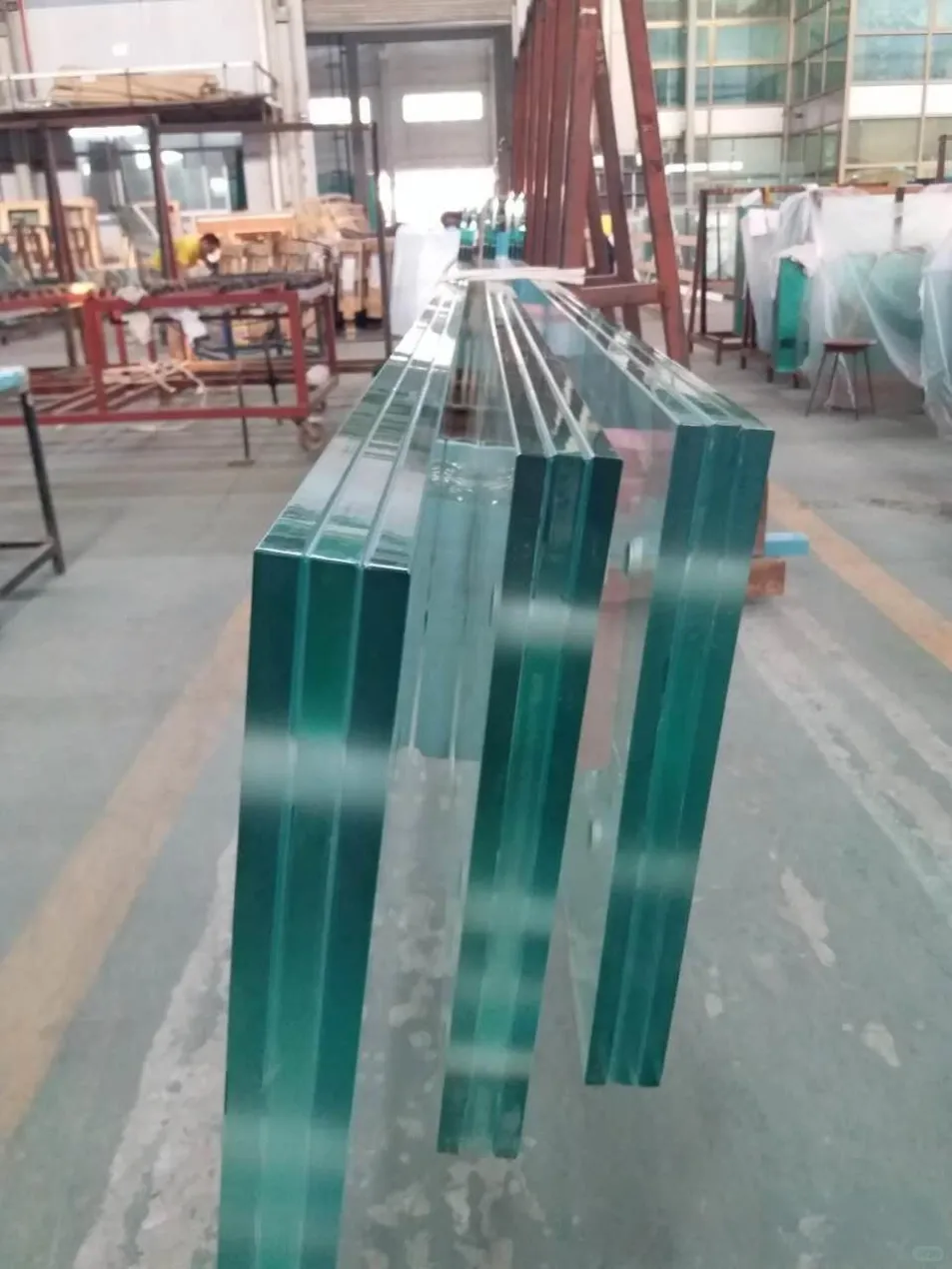
PVB/SGP interlayer bonding for laminated safety glass
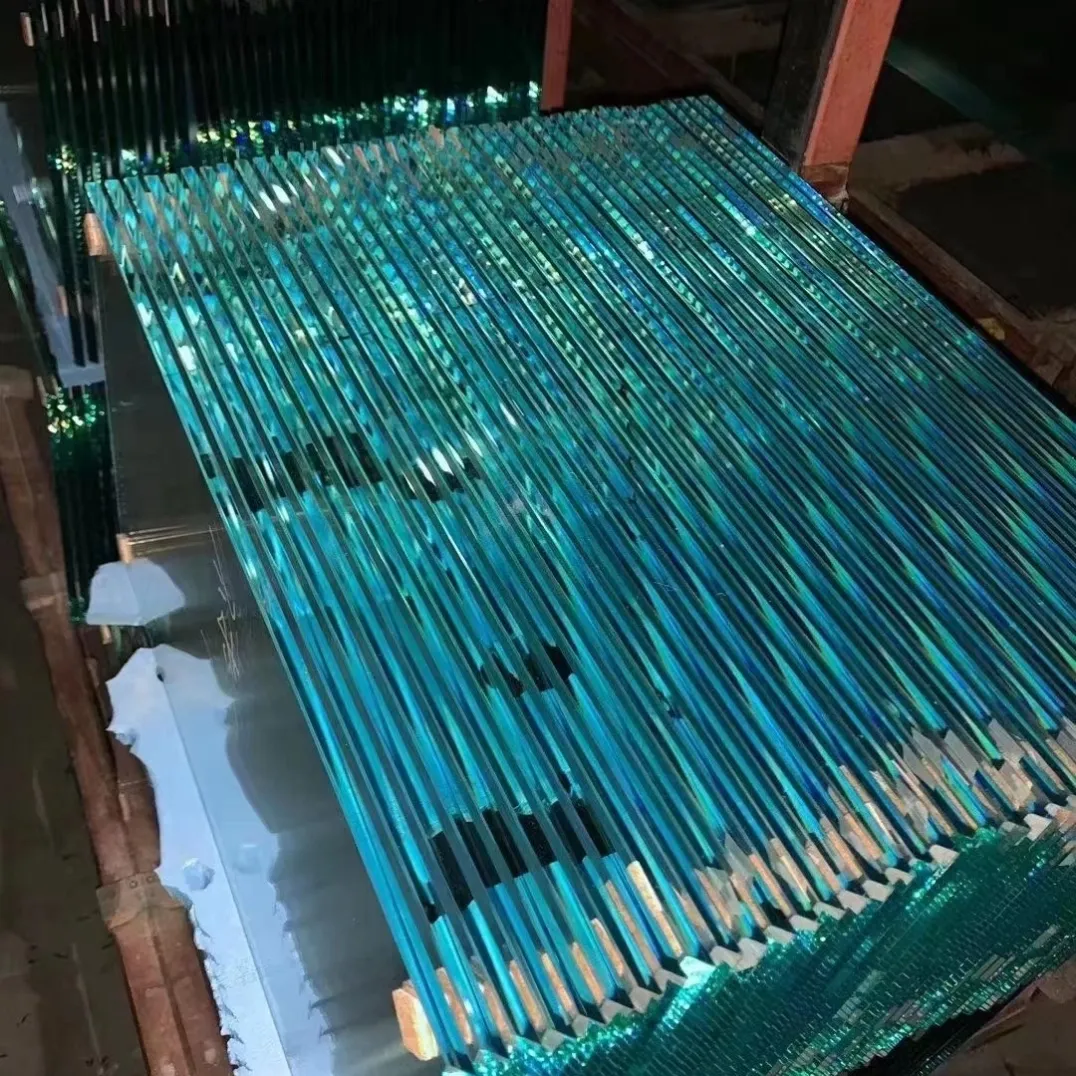
Intermediate strength processing between annealed and tempered
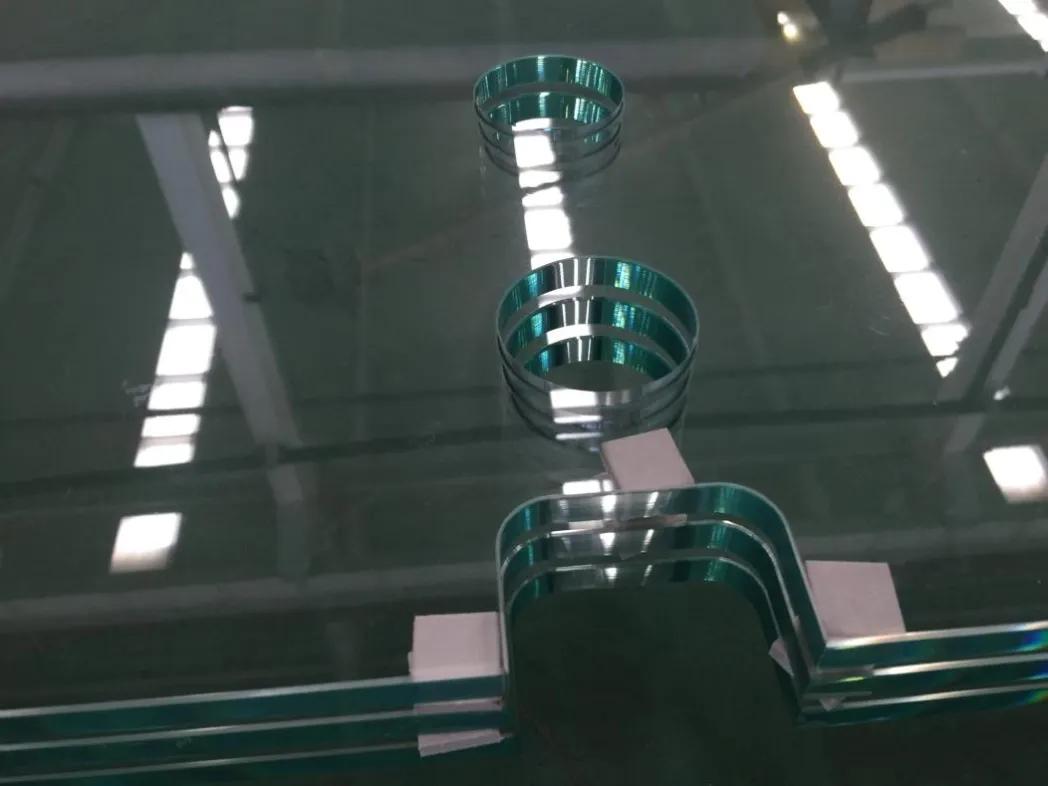
Precision holes, cutouts, and edge notching
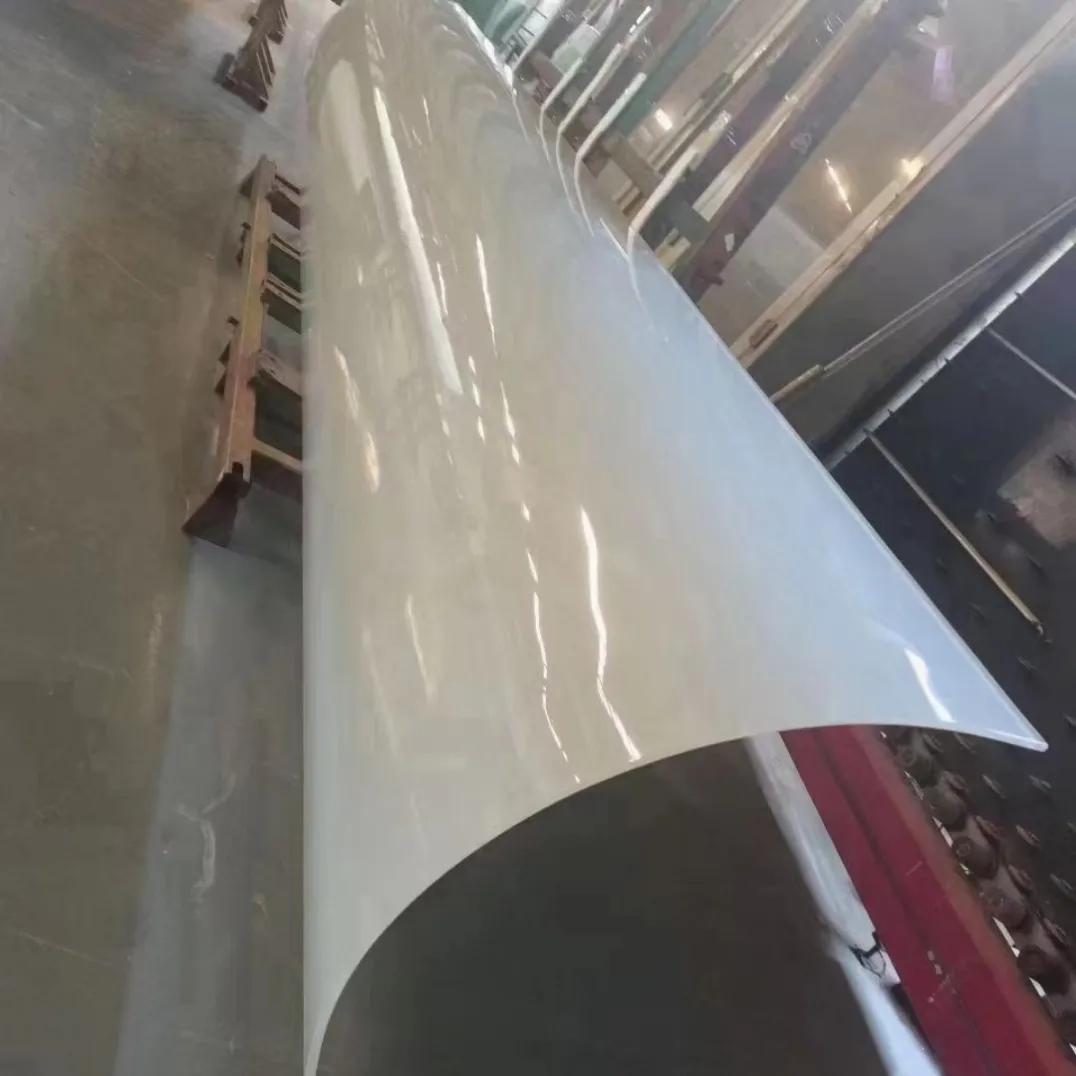
Hot-formed curved glass for facades and features
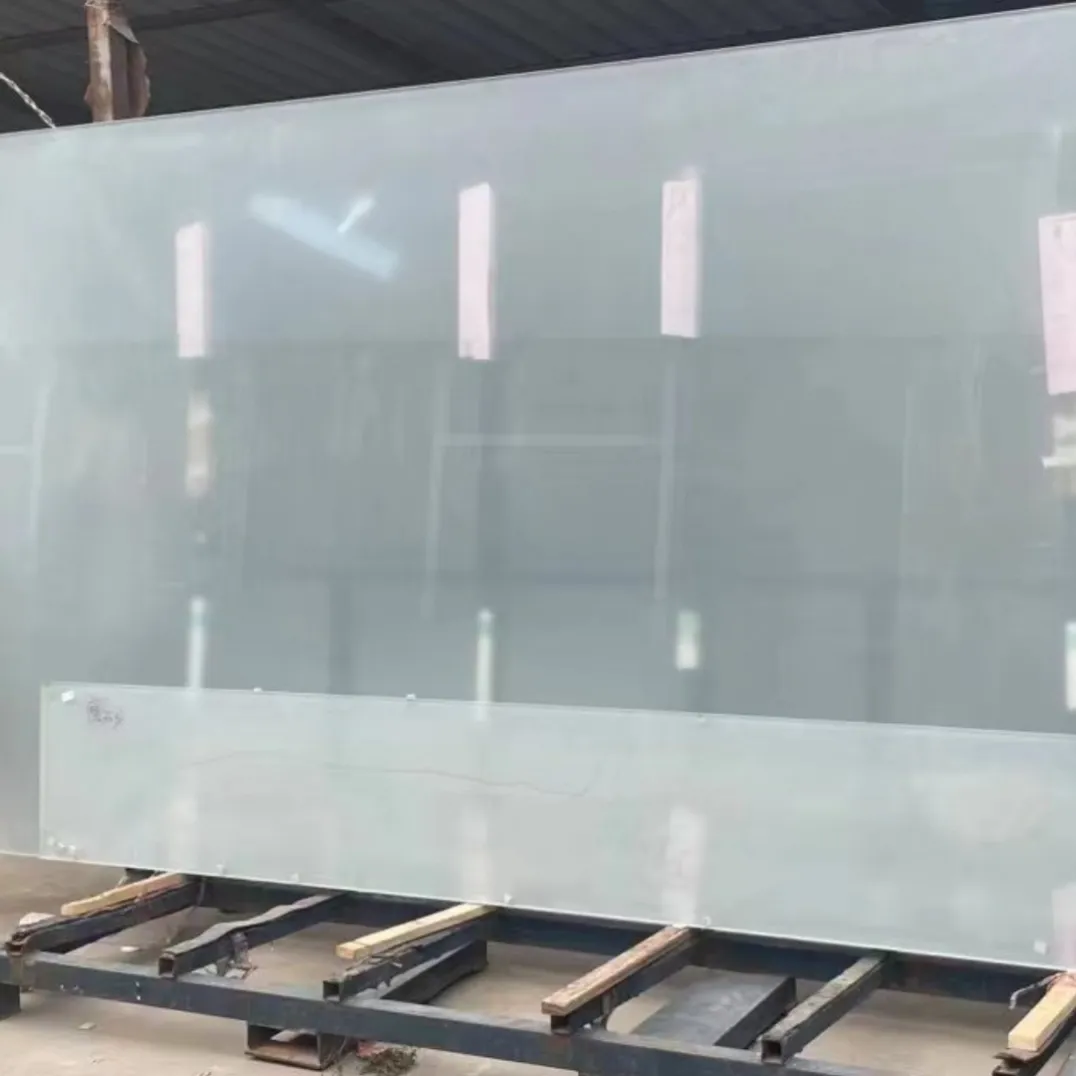
Surface frosting and decorative finishing
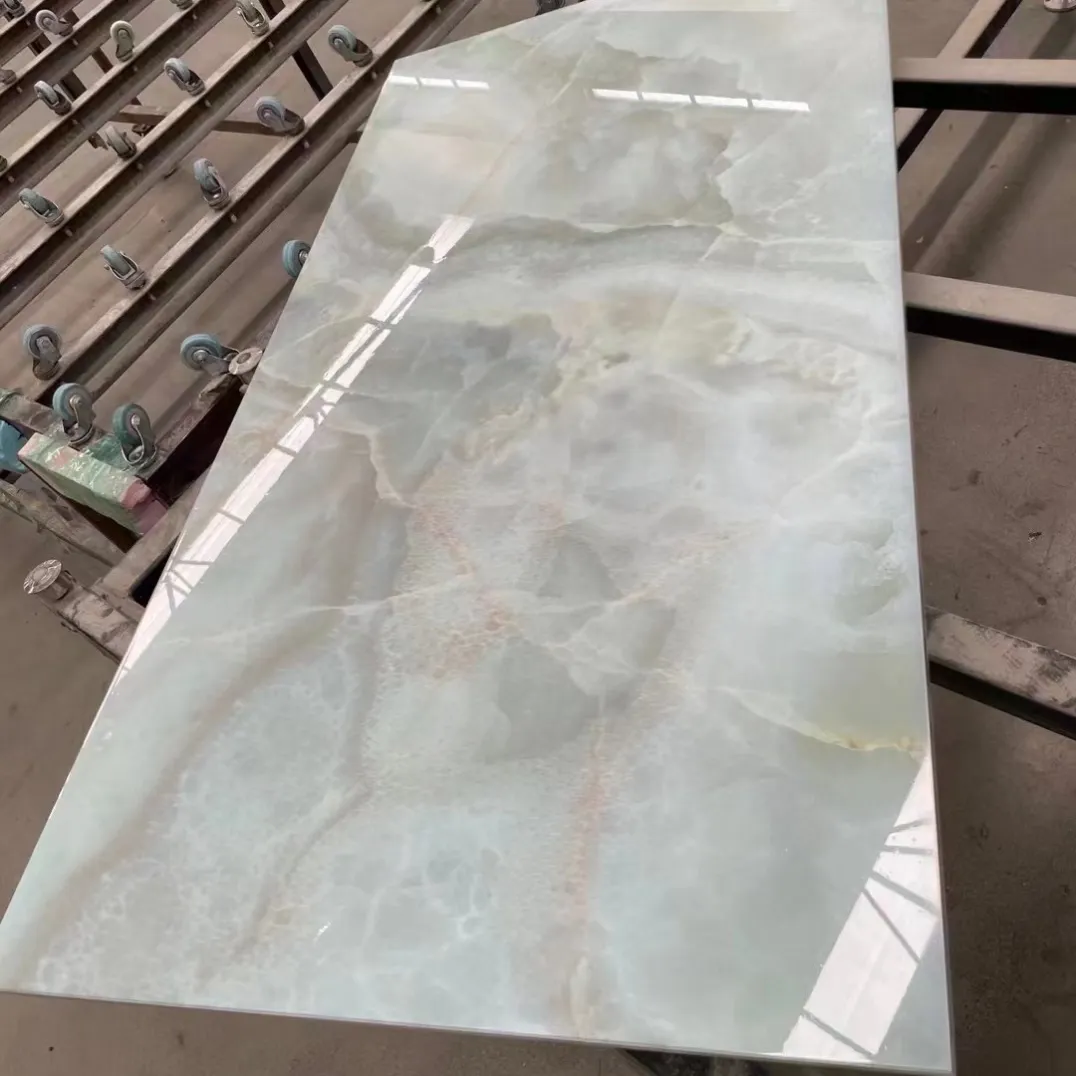
Custom patterns fired directly onto the glass surface
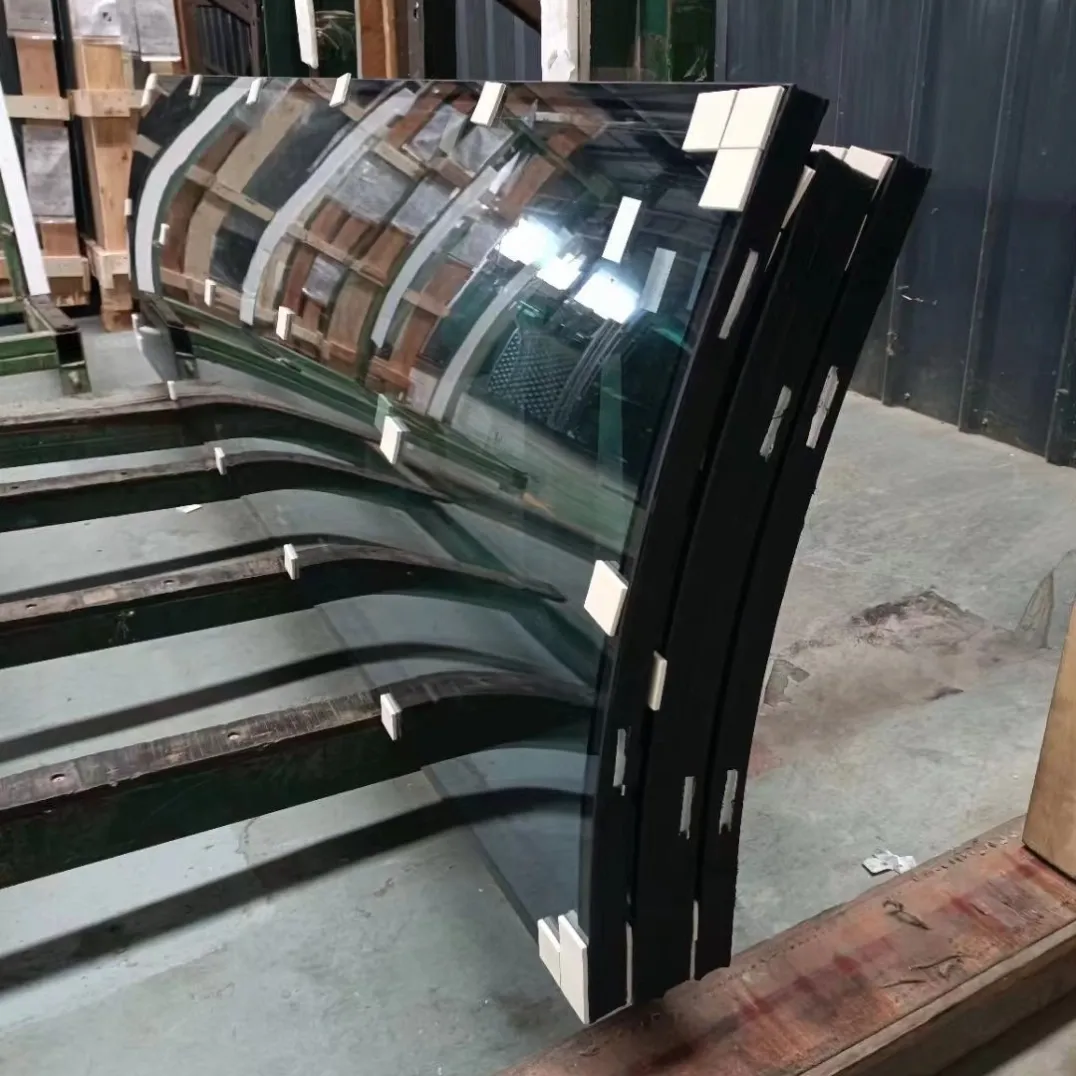
Dual-sealed insulated glass units
How we do
Having the right equipment is only part of the picture — how each process is controlled determines the actual quality of the finished product. The following details the specific controls we apply at each stage, and why they matter for the result.
Glass is cut to project dimensions with tolerances checked before moving to the next process stage — reducing rework and ensuring finished panels match approved drawings.
Furnace temperature and cooling rate are set specifically for each glass thickness and coating type, since incorrect settings can cause optical distortion or inconsistent stress patterns. HST is available for critical applications to reduce the risk
PVB or SGP interlayers are bonded in an autoclave under specific temperature and pressure cycles, ensuring full adhesion across the entire pane — not just the edges.
Insulating units are sealed with both a primary butyl seal (moisture barrier) and a secondary structural seal (mechanical strength), following standard practice for long-term durability in insulating glass units.
Edge profile — flat polished, pencil, or beveled — is selected based on the application, since exposed edges (railings, partitions) require a different finish than framed edges (curtain wall, windows).
Sandblasting, acid etching, and digital ceramic printing are applied as a final step after cutting and edging, with masking used where partial patterns or logos are required.
Get in Touch
Request Solutions & Bidding Info & Samples