Jun 26, 2026
Tempered Glass: Strength, Safety, and Performance in Modern Architecture
Why tempered glass has become a standard material in commercial buildings, residential construction, public infrastructure, and furniture manufacturing.
Tempered Glass: Strength, Safety, and Performance in Modern Architecture
Tempered glass, also known as toughened glass, is one of the most widely used safety glass materials in modern architecture, interior design, and industrial applications. Through a controlled thermal tempering process, standard float glass is transformed into a high-strength material that offers superior impact resistance, thermal stability, and safety performance compared to ordinary glass.
Because of its durability and safety characteristics, tempered glass has become a standard material in commercial buildings, residential construction, public infrastructure, and furniture manufacturing.
What Is Tempered Glass?
Tempered glass is produced by heating annealed glass to approximately 620–680°C and then rapidly cooling it using high-pressure air jets. This process creates compressive stress on the surface and tensile stress inside the glass, significantly improving its mechanical strength.
Compared to ordinary float glass, tempered glass is typically four to five times stronger and much safer when broken. Instead of sharp shards, tempered glass fractures into small, relatively blunt fragments, reducing the risk of injury.
This combination of strength and safety makes tempered glass an essential material for applications where human safety and structural reliability are critical.
Key Features of Tempered Glass
High Mechanical Strength
The tempering process dramatically improves bending strength and impact resistance. Tempered glass can withstand higher wind loads, mechanical stress, and external impacts, making it ideal for architectural glazing and safety installations.
Safety Performance
When broken, tempered glass disintegrates into small granular pieces instead of dangerous sharp fragments. This safety characteristic is why tempered glass is commonly used in doors, partitions, shower enclosures, and public facilities.
Thermal Resistance
Tempered glass can tolerate temperature differences of up to about 200°C, making it suitable for environments exposed to sunlight, heat sources, or temperature fluctuations.
Scratch and Surface Durability
The hardened surface improves resistance to scratches and everyday wear, making tempered glass suitable for high-traffic environments and frequently used surfaces.
Optical Quality
Tempered glass maintains excellent transparency and optical clarity, ensuring aesthetic consistency in architectural and interior design applications.
Manufacturing Process
The production of tempered glass typically includes the following stages:
- Glass cutting and edge processing
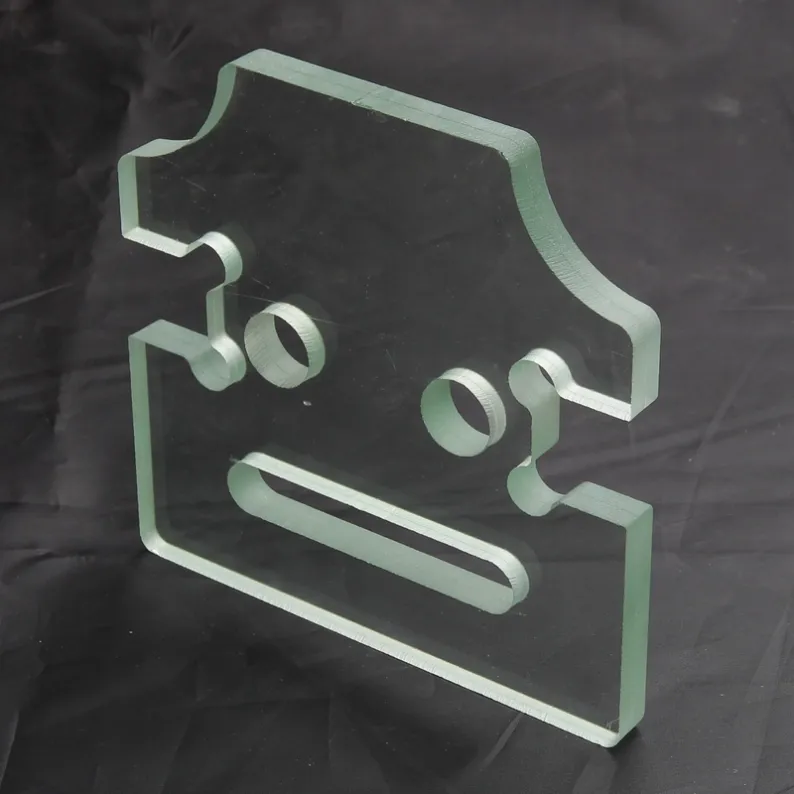
- Drilling and shape customization
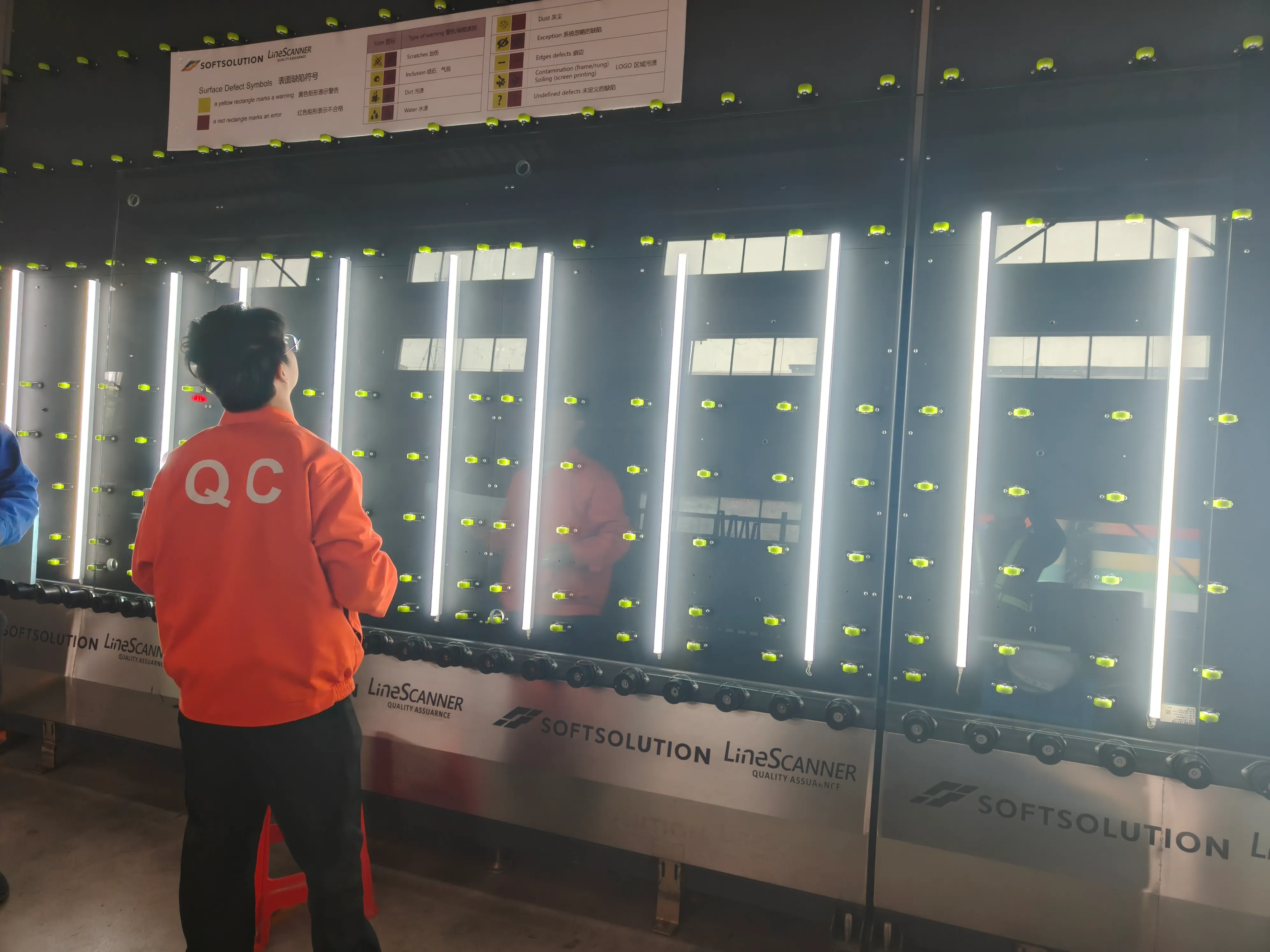
- Washing and inspection
- Heating in a tempering furnace
- Rapid air quenching
- Final quality inspection
It is important to note that all fabrication processes such as cutting, drilling, or edging must be completed before tempering, as tempered glass cannot be reprocessed afterward.
Applications of Tempered Glass
Tempered glass is widely used across multiple industries due to its strength, safety, and versatility.
Architectural Applications
- Curtain walls
- Windows and doors
- Glass railings
- Skylights
- Facade systems
Interior Applications
- Shower enclosures
- Glass partitions
- Glass doors
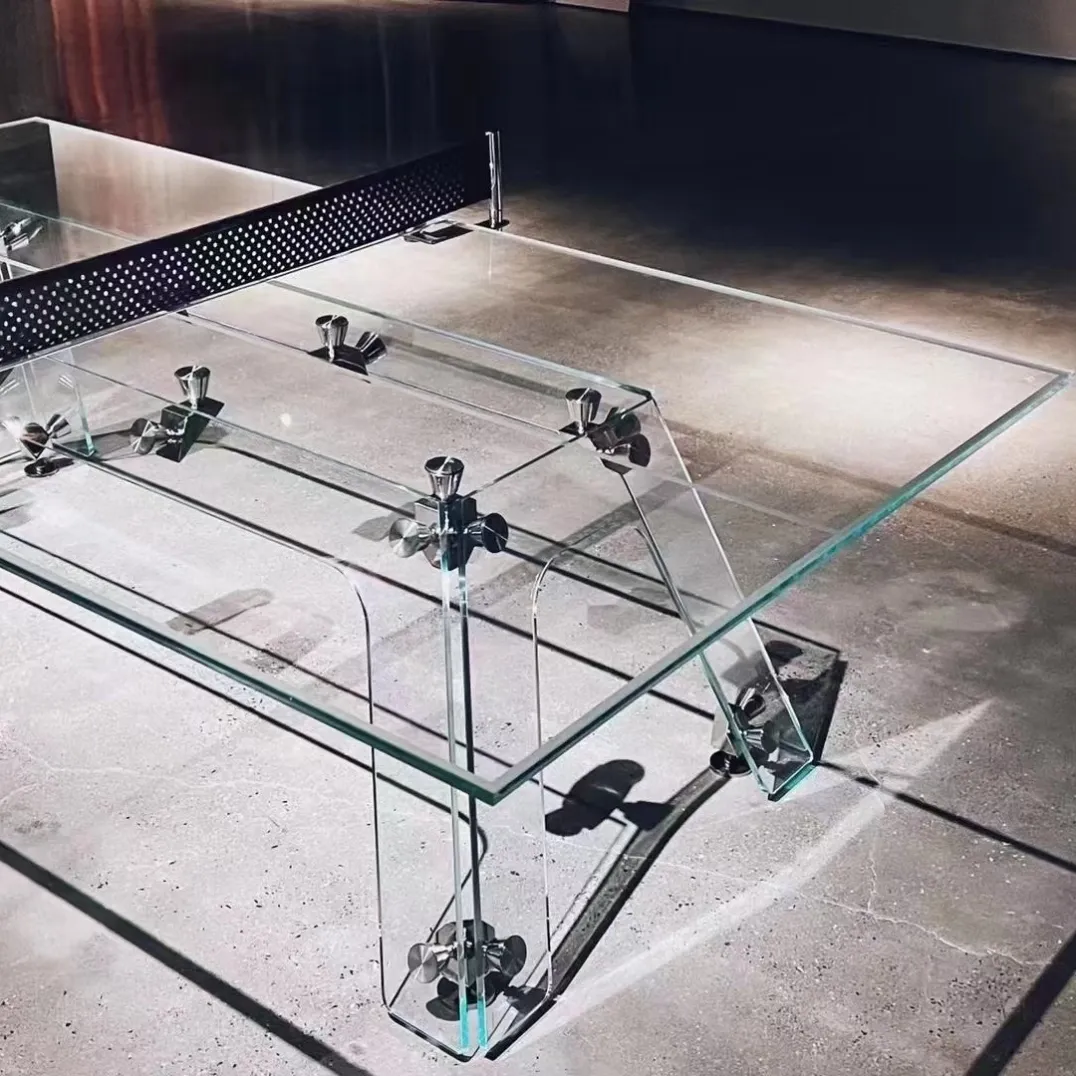
- Furniture surfaces
- Stair panels
Commercial and Public Spaces
- Shopping malls
- Office buildings
- Hotels
- Airports
- Schools and hospitals
Industrial Uses
- Appliance glass panels
- Display panels
- Protective screens
- Equipment enclosures
Tempered Glass Specifications
Typical production capabilities include:
- Maximum size: 3600mm × 18000mm
- Minimum size: 200mm × 300mm
- Thickness range: 4mm–19mm (customizable)
- Shapes: flat, curved, irregular
- Edge finishes: polished, beveled, seamed
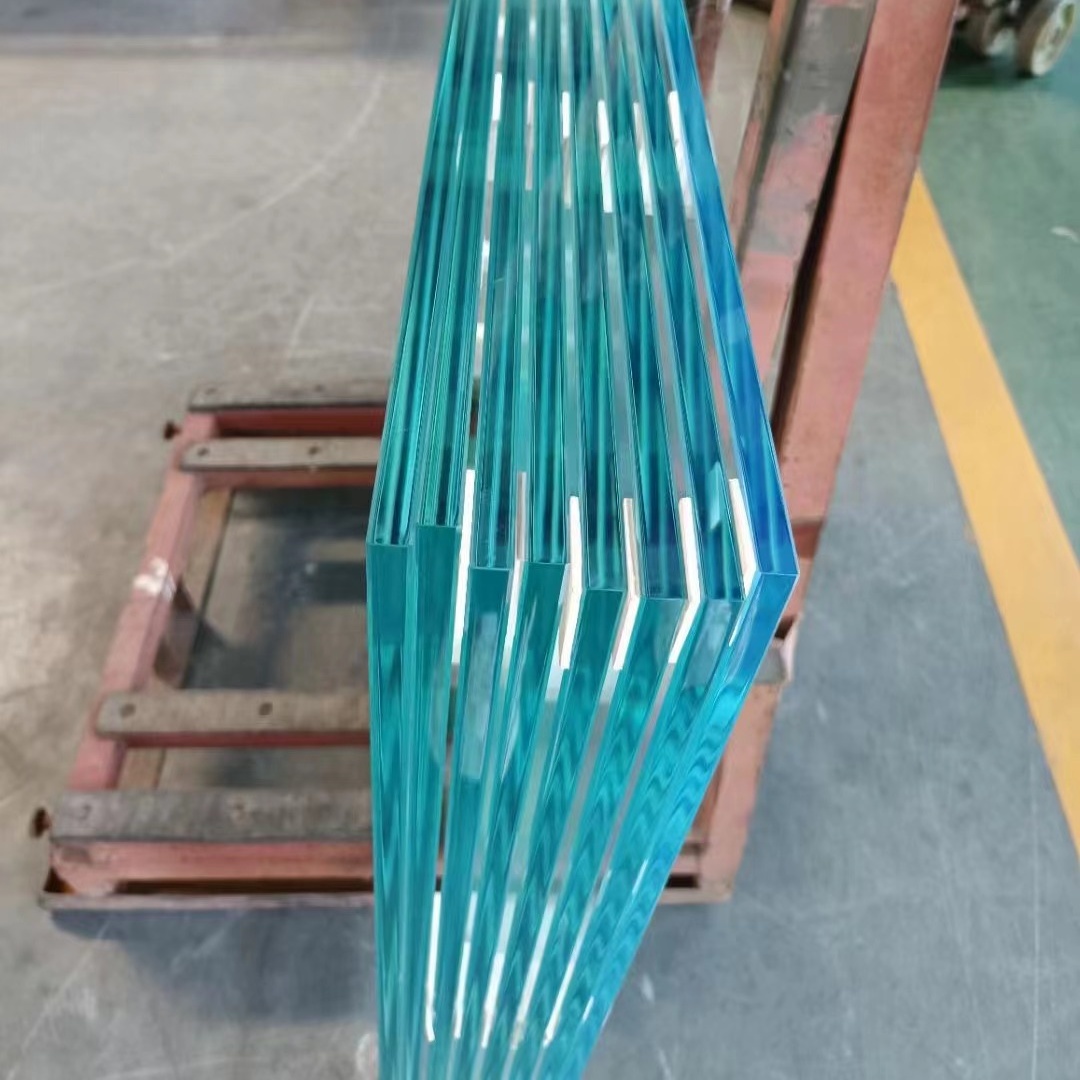
Tempered glass can also be further processed into composite safety glass products such as laminated glass, insulated glass units (IGU), and coated glass systems.
Advantages of Using Tempered Glass
Choosing tempered glass offers several long-term benefits:
- Improved building safety compliance
- Enhanced durability and lifespan
- Reduced maintenance costs
- Better resistance to thermal stress
- Modern aesthetic appearance
- Compatibility with advanced glazing systems
These advantages make tempered glass a preferred solution for architects, engineers, contractors, and designers.
Quality Control and Testing
High-quality tempered glass typically undergoes strict quality control procedures, including:
- Fragmentation testing
- Flatness inspection
- Surface stress measurement
- Optical distortion inspection
- Edge quality checks
Compliance with international safety glass standards ensures reliability and performance in demanding applications.