Jun 26, 2026
Float Glass: The Foundation of Modern Architectural Glass Design
Float Glass: The Foundation of Modern Architectural Glass Design Float glass is the cornerstone of contemporary glass manufacturing and architectural design. As a flat‑pane glass material produced thr
Float Glass: The Foundation of Modern Architectural Glass Design
Float glass is the cornerstone of contemporary glass manufacturing and architectural design. As a flat‑pane glass material produced through a precise float process, it provides the optical clarity, dimensional uniformity and consistent surface quality required for countless applications. Understanding float glass is essential for designers, architects, contractors and property owners looking to harness the versatility and performance of modern glass systems.
What Is Float Glass?
Float glass refers to glass that has been manufactured by floating molten glass over a bath of molten tin. This process creates a flat, uniform sheet of glass with extremely smooth surfaces on both sides. The float method revolutionized glass production by eliminating the irregularities and distortions found in older rolled glass techniques.
The result is a glass product with exceptional optical quality, consistent thickness and minimal surface distortion — characteristics that make float glass ideal for transparent architectural and decorative applications.
How Float Glass Is Made
The float glass process begins with carefully weighed raw materials including silica sand, soda ash and limestone melted at high temperatures to form molten glass. This molten material is poured onto a bath of molten tin. Because glass floats on tin, it spreads into a smooth, flat sheet. As the glass moves along the tin bath, it gradually cools and solidifies.
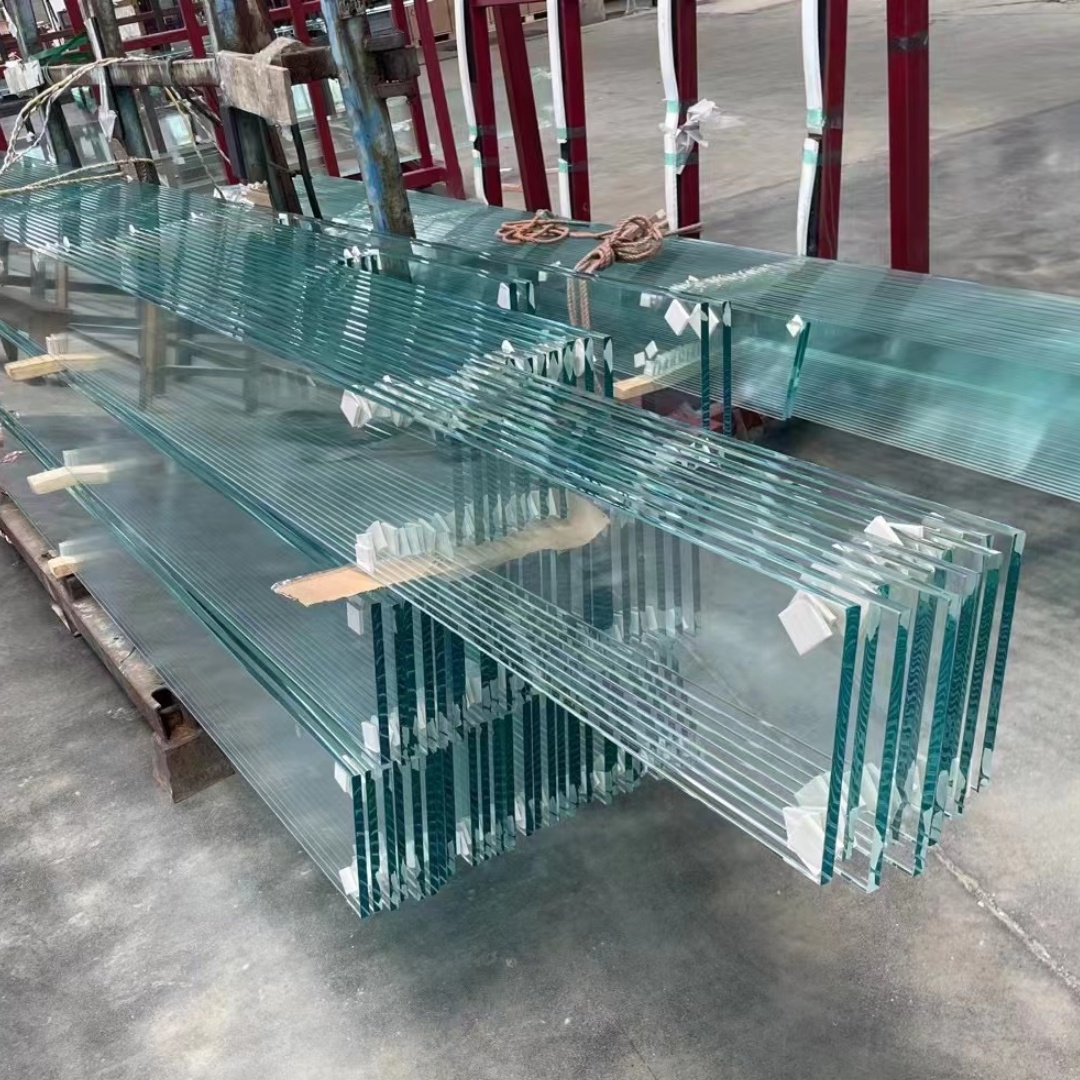
Once it exits the tin bath, the glass passes through controlled annealing ovens to relieve internal stresses. The final product is a continuous ribbon of flat glass that can be cut to size for distribution or further fabrication.
This manufacturing method produces glass with two highly polished surfaces and uniform thickness — the hallmark of quality float glass.
Key Advantages of Float Glass
Superior Optical Clarity and Transparency
Float glass provides excellent visibility and clarity, making it perfect for windows, display cases and transparent architectural features. With minimal distortion, it supports unimpeded sightlines and natural light transmission.
Smooth Surface for High‑Quality Coatings
The ultra‑flat, smooth surfaces of float glass are ideal for subsequent coating processes such as Low‑E, reflective, anti‑glare and decorative coatings. These coatings enhance performance for energy efficiency, glare control and design aesthetics.
Wide Range of Thickness Options
Float glass is available in a broad range of thicknesses — typically from 3mm to 19mm or more — enabling designers to select appropriate solutions based on strength, architectural requirements and design intent.
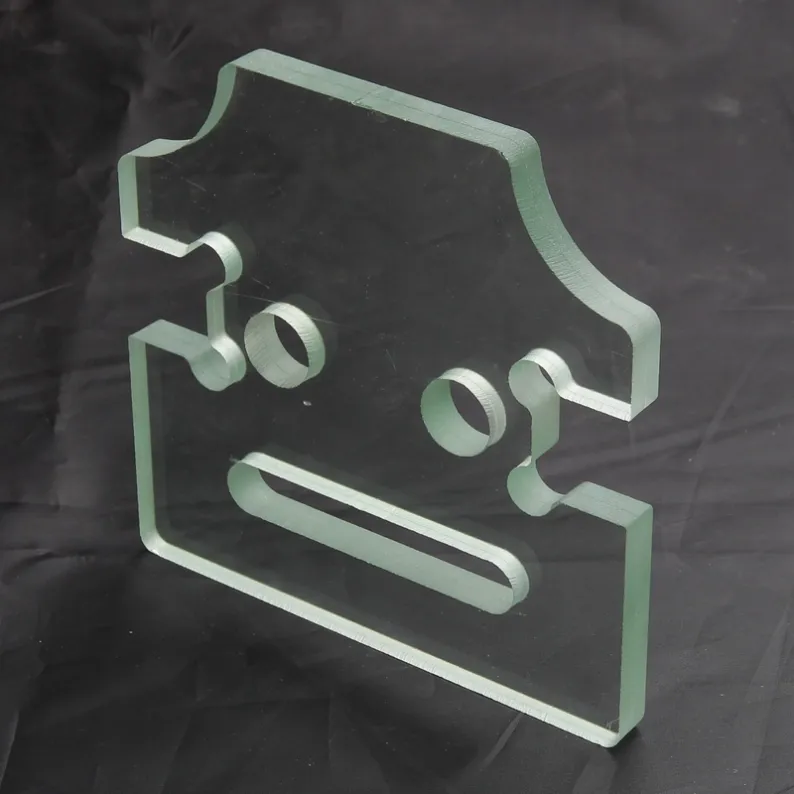
Flexible Fabrication & Processing
As the base material for many glass products, float glass can be processed into:
- Tempered glass
- Laminated safety glass
- Insulated glass units (IGUs)
- Decorative glass
- Patterned or textured glass
- Coated and energy‑efficient glass
This makes float glass one of the most adaptable materials in modern glazing systems.
Architectural and Interior Design Versatility
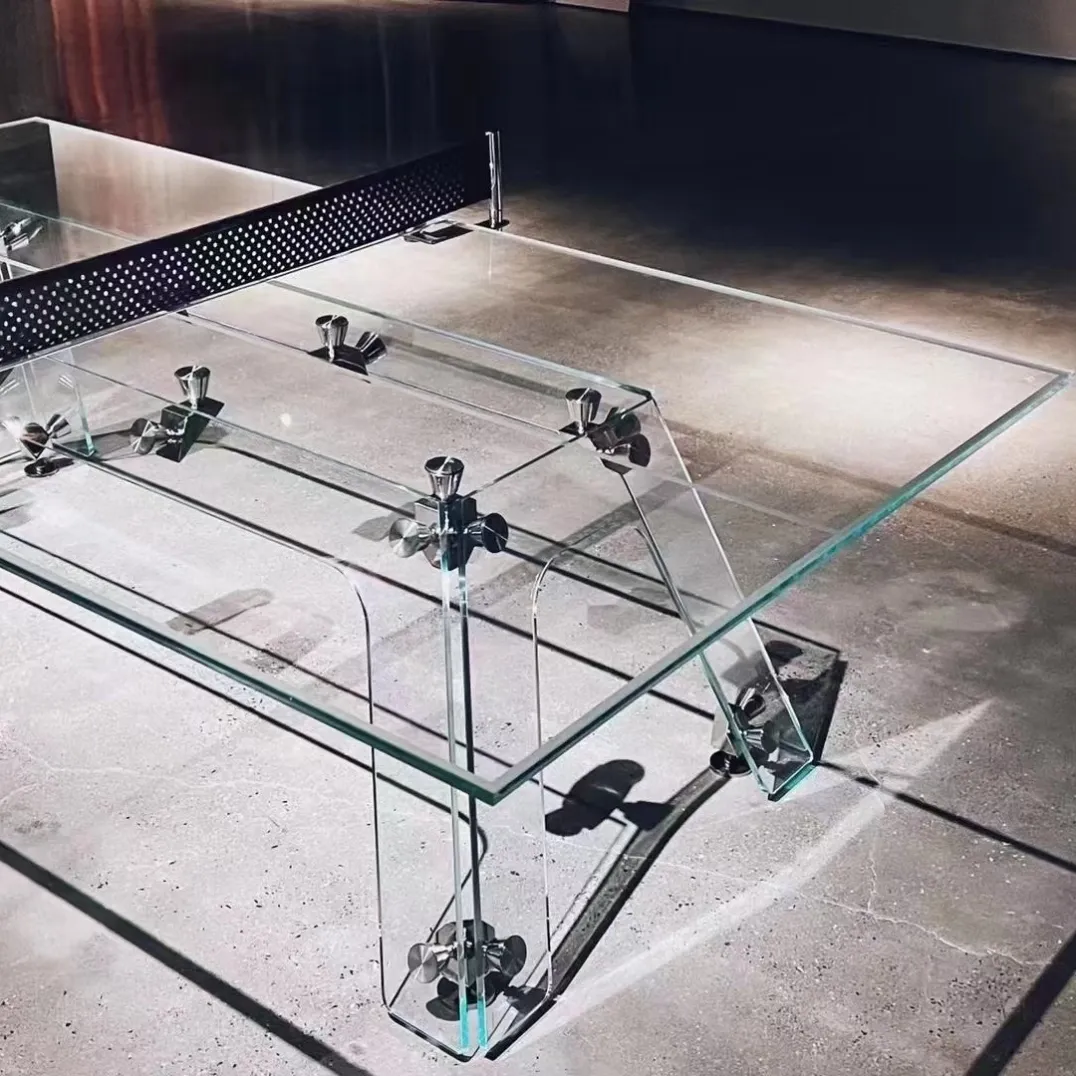
Float glass plays a central role in both exterior and interior design. It is used in curtain walls, windows, doors, partitions, furniture and decorative elements. Its clarity and neutrality allow it to blend seamlessly with design themes ranging from minimalist to expressive.
Performance Enhancements with Advanced Technologies
Float glass can be combined with advanced glass technologies to achieve enhanced performance:
- Low‑E Coatings reduce heat transfer and improve energy efficiency.
- Tempered Processing increases strength and safety performance.
- Laminated Construction improves safety and fragment retention.
- Insulated Units (IGUs) deliver thermal and acoustic insulation.
These combinations extend the application reach of float glass into high‑performance building systems, sustainable architecture and energy‑efficient design.
Float Glass in Practice
In contemporary building design, float glass is often the starting point for high‑performance glazing systems:
- Facade Systems: Clear float glass often forms the base for double‑glazed units used in curtain walls and façades.
- Interior Partitions: Offices and hotels use float glass partitions to balance transparency and space separation.
- Transparent Barriers: In retail and museum display cases, float glass offers clear viewing and protection.
- Shower Enclosures and Doors: Float glass provides a clean, smooth surface ideal for domestic wet environments.
The modularity and compatibility of float glass with other systems make it a practical choice for designers and fabricators alike.
Sustainability and Longevity
Float glass is also appreciated for its long service life and recyclability. As a material, it resists discoloration, maintains clarity over time and can be recycled at the end of its life cycle. These attributes support sustainability goals in modern construction.
Conclusion
As the foundational material for most glass products, float glass plays an indispensable role in modern architecture and design. Its combination of exceptional optical quality, dimensional precision and fabrication versatility makes it a favorite in both structural and decorative applications.
Understanding the capabilities and applications of float glass allows architects, designers and builders to leverage its full potential — creating transparent, high‑performing, stylish built environments.