Jul 23, 2026
Frosted Glass: Stylish Privacy, Light Control and Architectural Versatility
Frosted Glass: Stylish Privacy, Light Control and Architectural Versatility In today’s architectural landscape, frosted glass has become a go‑to glazing solution for designers and architects seeking a
Frosted Glass: Stylish Privacy, Light Control and Architectural Versatility
In today’s architectural landscape, frosted glass has become a go‑to glazing solution for designers and architects seeking a balance of natural light, privacy, and aesthetic appeal. A refined alternative to clear glass, frosted glass softens light diffusion while obscuring direct visibility — striking an ideal middle ground between openness and discretion.
What Is Frosted Glass?
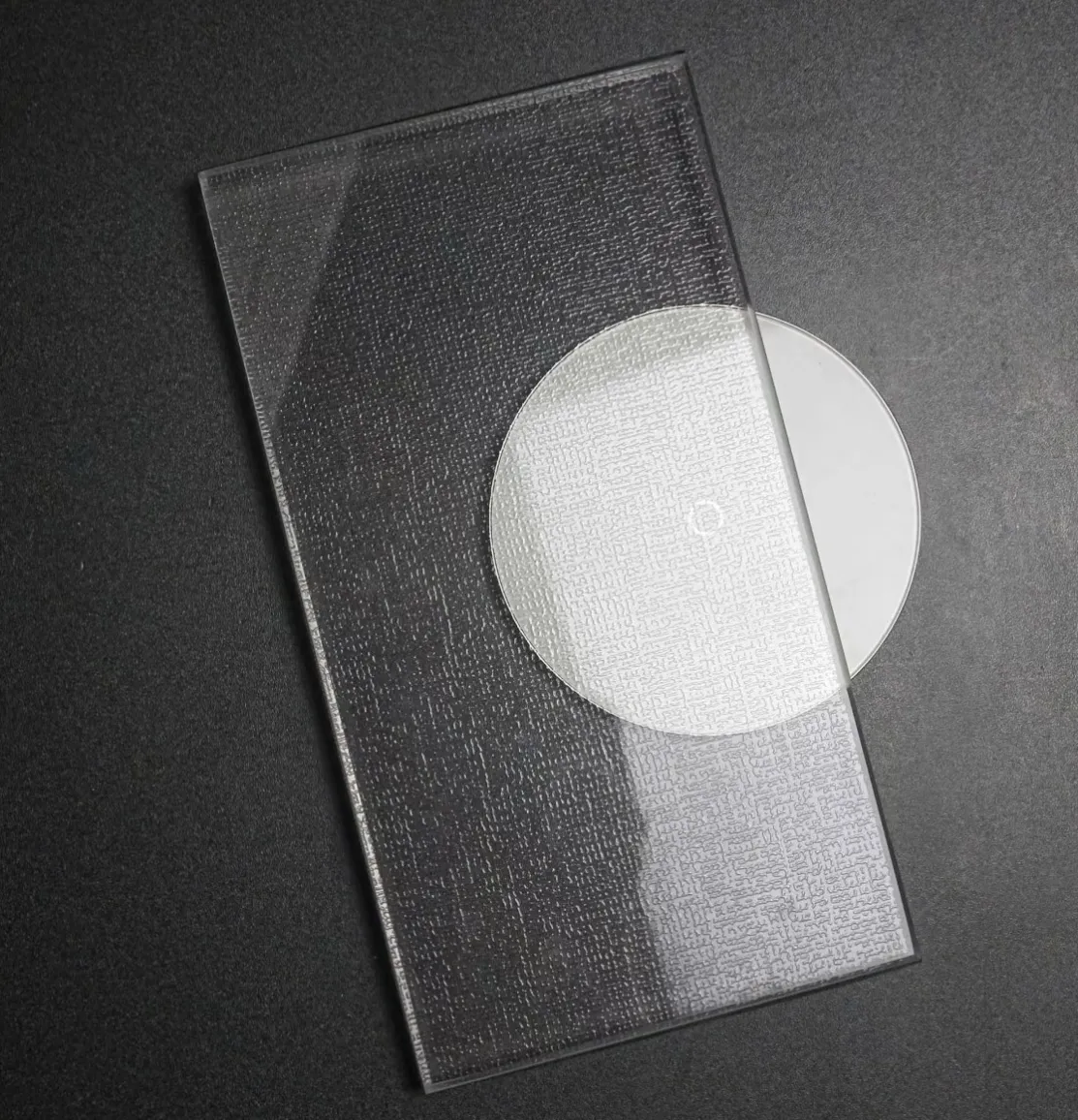
Frosted glass is glass that has been treated to create a matte, semi‑opaque surface. This treatment is typically achieved by sandblasting, acid etching or chemical corrosion of the glass surface. The result is a uniform translucent finish that diffuses incoming light and obscures what’s behind the glass without sacrificing brightness.
This combination of privacy and illumination makes frosted glass uniquely suited to a wide variety of architectural and interior design applications.
Frosted glass can be manufactured as single glazing, tempered glass, laminated safety glass or insulating glass units (IGUs) depending on the performance and safety requirements of a project.
Key Benefits of Frosted Glass
Privacy Without Darkness
One of the most compelling reasons to choose frosted glass is its ability to preserve natural light while providing visual privacy. Whether installed on office partitions or bathroom windows, frosted glass allows natural illumination to permeate the space while masking direct views. This makes it far superior to opaque materials that block light entirely.
Elegant Aesthetic Appeal
The smooth, matte surface of frosted glass adds a touch of sophistication to any environment. Its neutral, modern texture suits a broad range of architectural styles from minimalist interiors to contemporary facades.
Designers can specify full surface frost or partial gradients, stripes, logos and custom patterns to create visual interest and graphic expression without the need for additional decorative materials.
Improved Comfort and Glare Control
Frosted glass diffuses light evenly, reducing harsh reflections and glare that can cause discomfort in workspaces or living areas. In office environments, this improves visual comfort for occupants and contributes to a more pleasant, productive setting.
Safety Integration and Enhanced Performance
When frosted glass is combined with safety treatments such as tempering or lamination, it becomes suitable for high‑impact or high‑traffic areas. Tempered frosted glass offers higher mechanical strength and safer breakage patterns, while laminated frosted glass retains fragments, maintaining a safer barrier in case of breakage. These enhanced systems meet stringent building safety standards and are commonly used in commercial and public spaces.
Frosted glass can also be incorporated into insulated glass units for energy‑efficient windows and façade systems.
Versatile Applications Across Projects
Frosted glass is not limited to privacy screens or bathroom enclosures. Its versatility has made it a popular choice for:
- Office interior walls
- Meeting room partitions
- Lobby feature walls
- Retail display panels
- Shower doors and bathroom enclosures
- Stairwell glazing
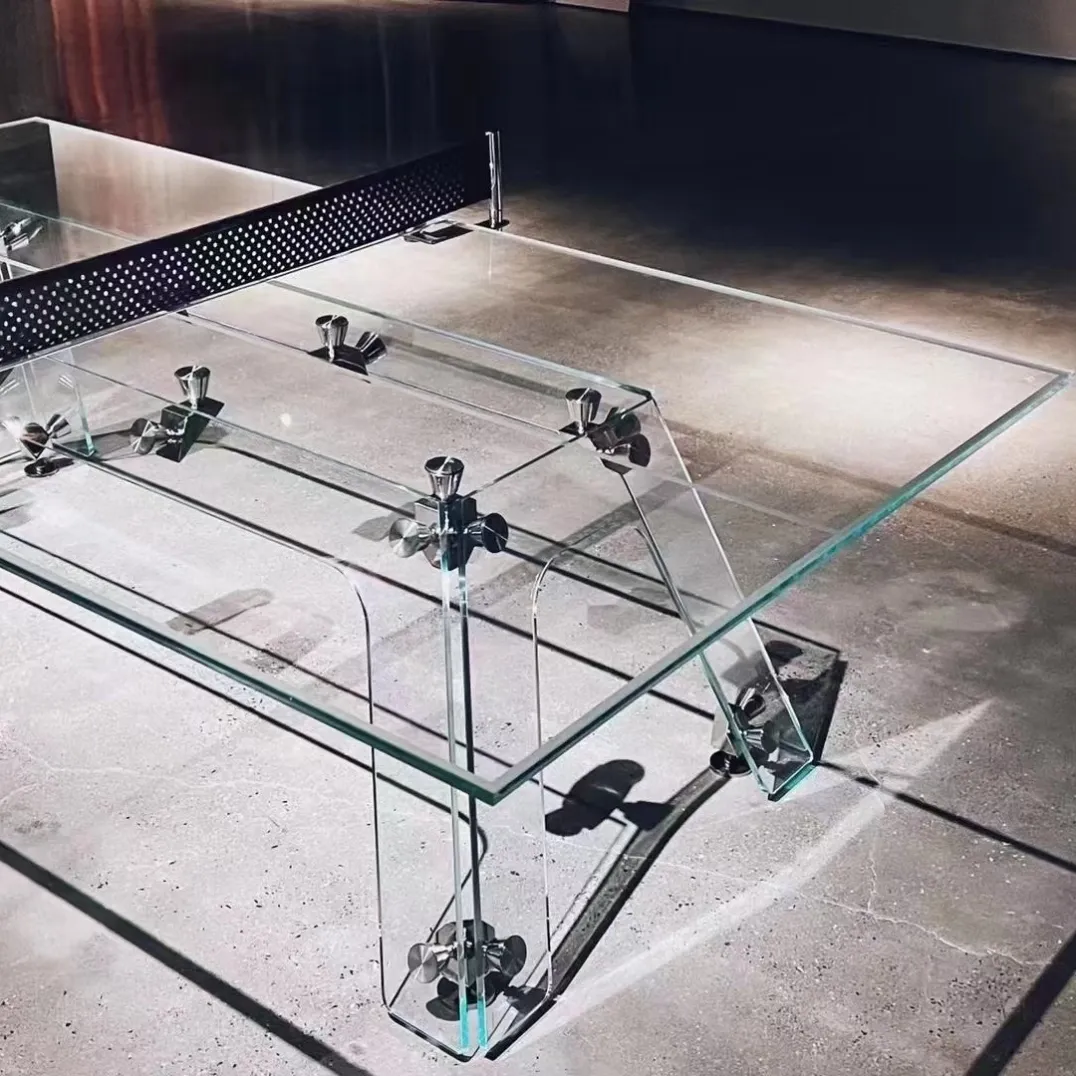
- Furniture glass panels
- Exterior façades when paired with safety systems
This adaptability has made frosted glass a staple in modern building design.
Low Maintenance and Long‑Lasting Finish
The matte surface of frosted glass is less prone to showing smudges, fingerprints, or dust compared to clear glass. Routine cleaning with mild cleansers is usually sufficient to keep the surface looking pristine. When properly manufactured, frosted glass maintains its finish and clarity for many years.