Jun 26, 2026
Laminated Glass: most essential safety and architectural glazing materials in modern building design
Through comprehensive digital transformation, this manufacturing enterprise achieved a 30% increase in production efficiency and 20% cost reduction, setting a benchmark for the industry.
Laminated Glass: most essential safety and architectural glazing materials in modern building design
Laminated glass has become one of the most essential safety and architectural glazing materials in modern building design. Its unique combination of safety, security, acoustic performance and design flexibility makes it indispensable in contemporary construction around the world.
What Is Laminated Glass?
Laminated glass is defined by the permanent fusion of two or more layers of glass with tough, tear-resistant plastic interlayers — typically PVB, EVA or high-performance SGP. During breakage, these interlayers hold shattered fragments together, maintaining a protective barrier and minimizing the risk of injury or penetration.
Unlike ordinary glass which shatters into hazardous shards, laminated safety glass offers controlled breakage behavior and continues to function as a secure glazing element — a property that makes it suitable for safety glazing zones in buildings.
Safety & Structural Benefits
One of the primary advantages of laminated glass is its enhanced safety performance. In impact scenarios such as high winds, accidental collision or physical penetration, the interlayer keeps glass fragments bonded, preventing dangerous fall-out. This safety behavior significantly reduces injury risk and complies with many international building codes for safety glazing.
Laminated glass can also be engineered into thicker multi-layer configurations for structural glazing systems such as curtain walls, glass floors, stair landings and overhead skylights. When combined with high-strength glass types like heat-strengthened or tempered glass, laminated units provide superior load resistance and durability.
Acoustic & Energy Benefits
In urban environments where noise pollution is a concern, laminated glass delivers superior acoustic insulation. Specialized interlayers can disrupt and absorb sound waves, resulting in quieter indoor environments for offices, residences and public spaces.
Laminated glass also contributes to energy performance. Interlayers combined with coatings such as Low-E reduce solar heat gain and UV transmission, helping control interior temperatures and protecting furniture and textiles from UV damage.
Design & Aesthetic Flexibility
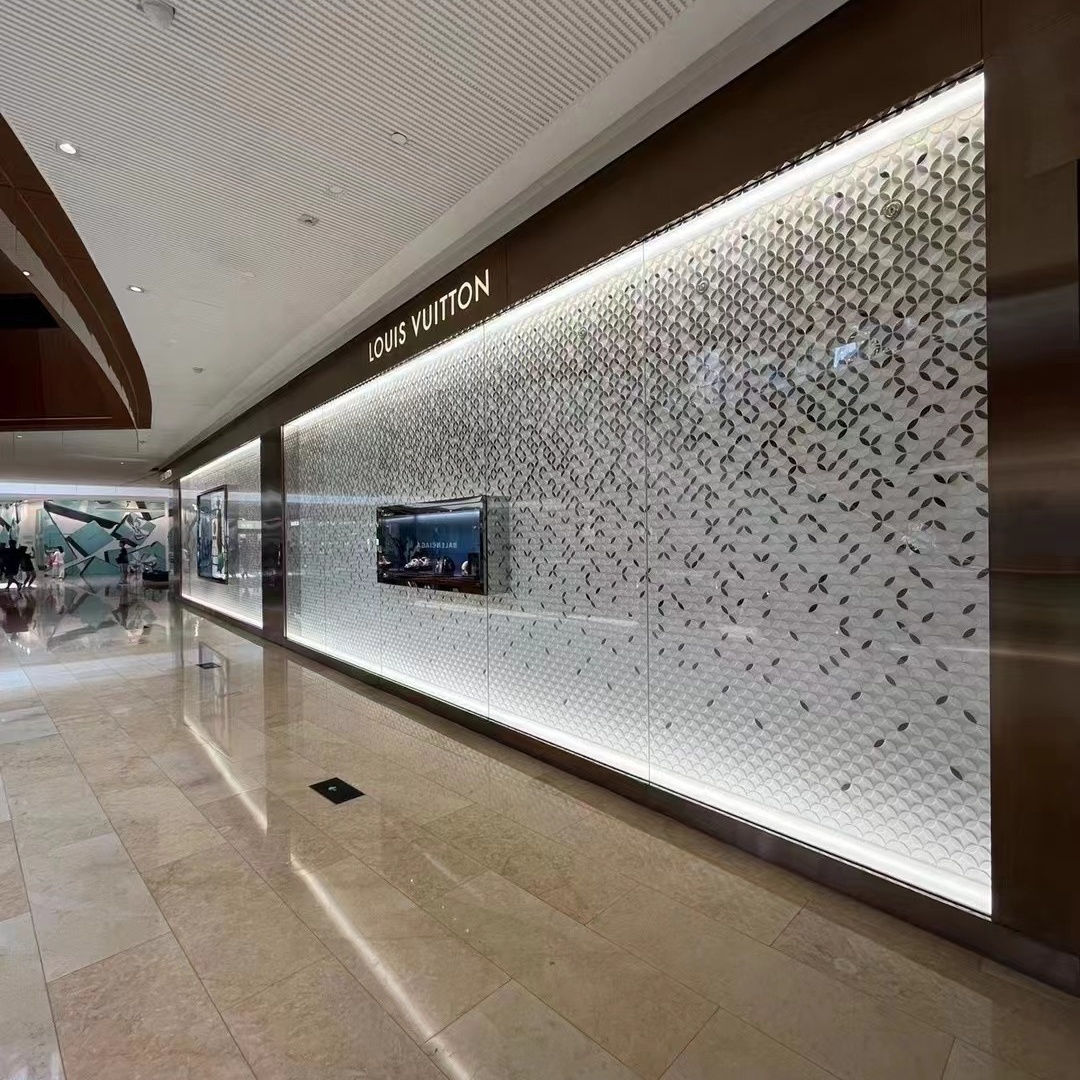
Laminated glass offers nearly limitless design possibilities. Clear and low-iron glass deliver high transparency while color interlayers and tint options introduce visual effects and façade aesthetics. Additional design treatments such as ceramic frit, digitally printed graphics or embroidered textiles embedded in the interlayer allow architects to unify performance with branding and artistic expression.
This material is suitable for both contemporary minimalist designs and bold architectural statements. Whether used for large curtain walls, interior partitions or decorative installations, laminated glass brings both performance and beauty to projects.
Common Applications
Laminated glass is widely applied in projects that demand safety, transparency, and performance:
- Exterior façades and curtain walls
- Windows and glazing systems
- Railings and balustrades
- Skylights, canopies and overhead glazing
- Shower enclosures and interior partitions
- Storefronts and display cases
- Museum and gallery protective glazing
- Security glazing for government buildings and banks
From residential buildings to commercial complexes and public infrastructure, laminated glass continues to provide peace of mind without compromising visual openness.
Quality & Standards
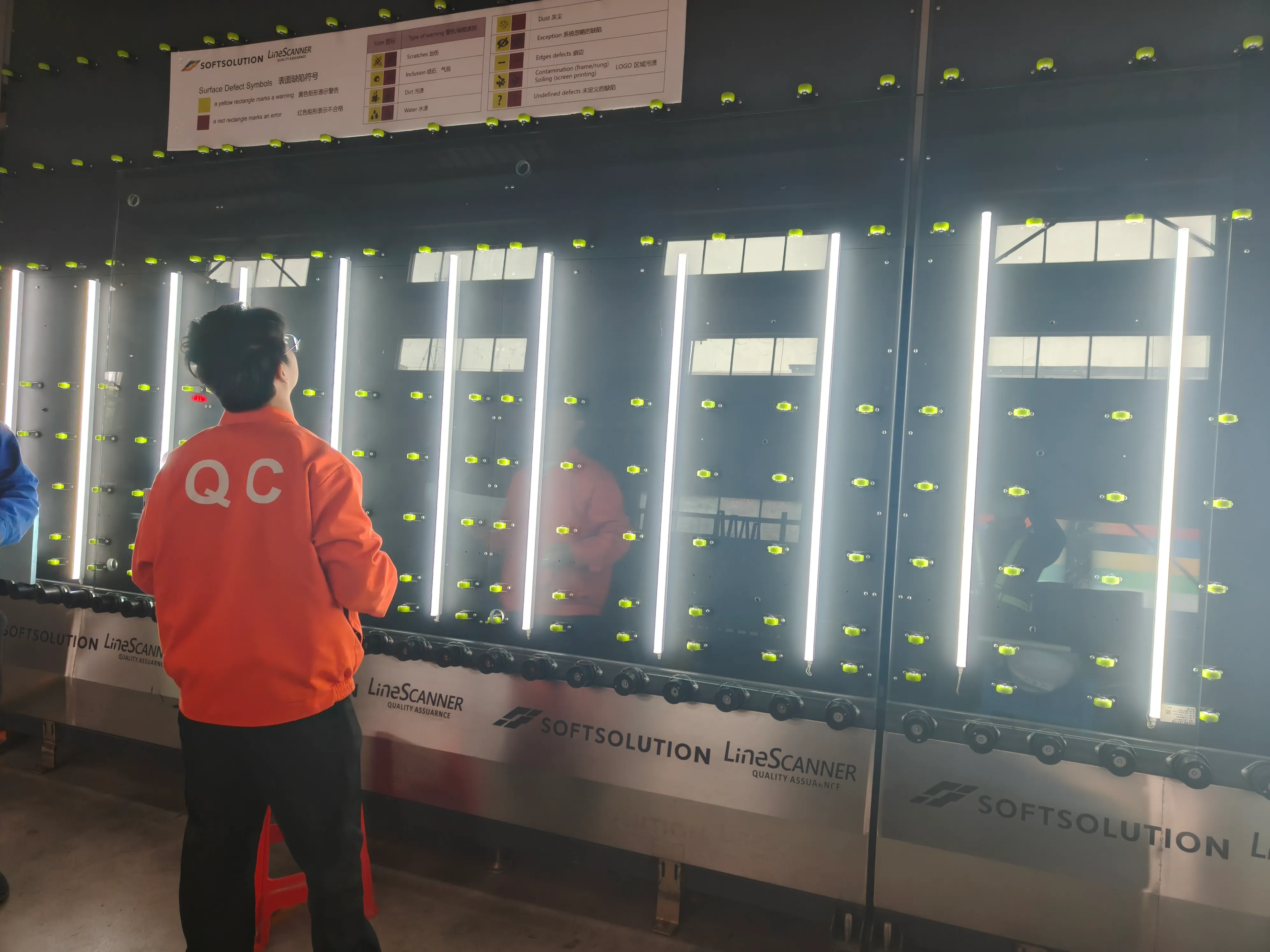
High-quality laminated glass meets international safety and performance standards such as AS/NZS 2208, ANSI Z97.1, EN 14449 and others. Factory lamination lines with strict environmental control ensure optimal adhesion and long-term durability of the interlayer.