Jun 26, 2026
Low‑E Glass: Advanced Energy‑Saving Glazing for Sustainable Buildings
Low‑E Glass: Advanced Energy‑Saving Glazing for Sustainable Buildings Low‑E glass, also known as Low‑Emissivity glass , represents one of the most effective strategies for reducing energy consumption
Low‑E Glass: Advanced Energy‑Saving Glazing for Sustainable Buildings
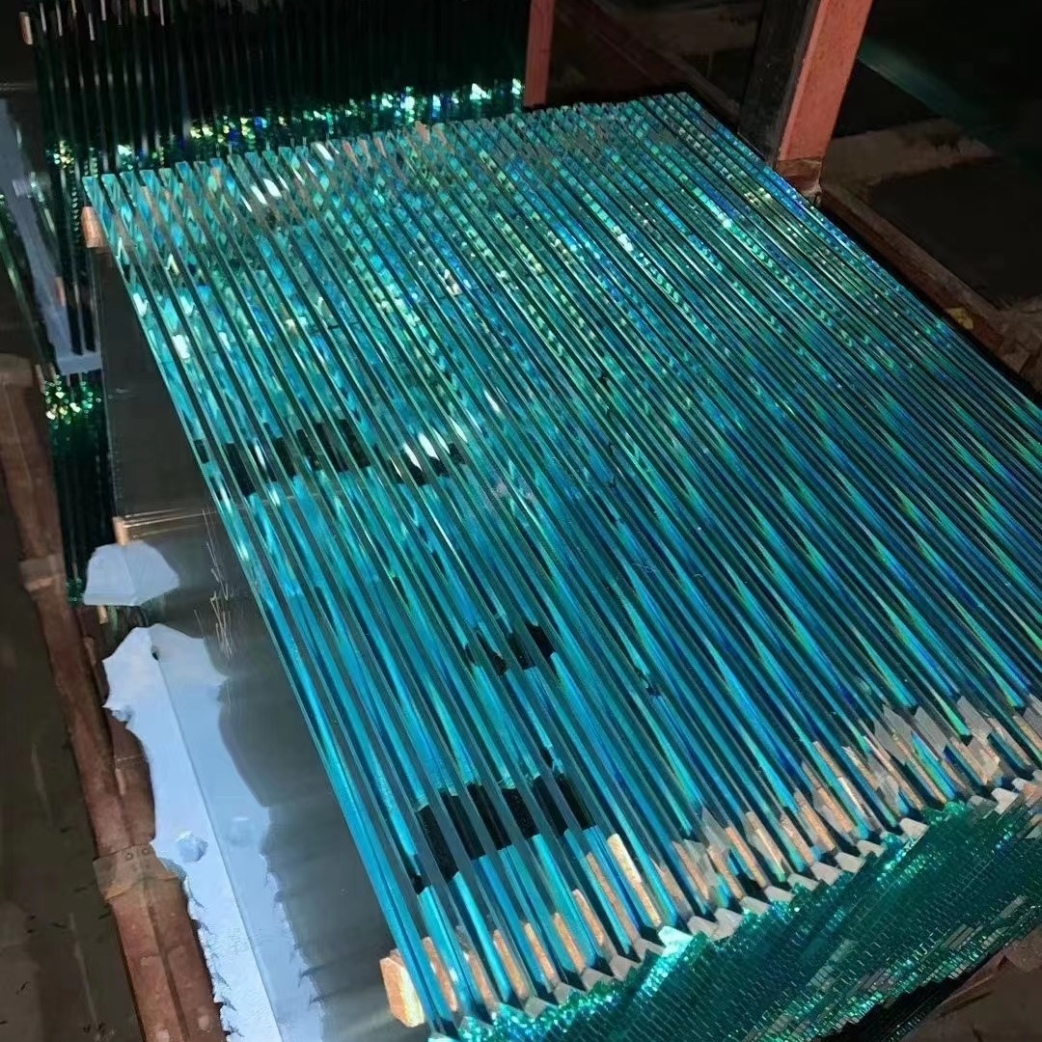
Low‑E glass, also known as Low‑Emissivity glass, represents one of the most effective strategies for reducing energy consumption in modern buildings. Through innovative coating technology, Low‑E glass dramatically improves thermal performance without compromising daylight transmission or visual clarity.
As global building standards emphasize sustainability and energy efficiency, Low‑E glass has become a mainstream solution in both residential and commercial architecture.
What Is Low‑E Glass?
Low‑E glass is glass that has been treated with an ultra‑thin coating designed to control the flow of radiant heat. This coating — typically composed of metal or metal oxides — acts as a thermal filter that reflects long‑wave infrared heat back toward its source.
In cold climates, this means reflecting interior heat back inside, reducing heat loss through windows. In hot climates, the same coating reflects solar heat outward, helping to keep interiors cool. At the same time, Low‑E glass admits abundant visible light, creating well‑lit spaces without excessive heat gain.
This combination of thermal control and daylight access makes Low‑E glass a highly effective energy‑saving glazing solution.
How Low‑E Glass Improves Energy Performance
Thermal Insulation and U‑Value Reduction
One of the primary metrics of energy performance in windows and façades is the U‑value, which measures the rate of heat transfer. Lower U‑values indicate better insulation. Low‑E glass significantly reduces heat transfer through radiation, improving U‑values when compared to standard clear glass.
By reflecting radiant energy, Low‑E coatings help maintain comfortable indoor temperatures with less reliance on heating and cooling systems.
Solar Control and SHGC Optimization
Another critical factor in performance glazing is the Solar Heat Gain Coefficient (SHGC) — the fraction of solar radiation that enters a space as heat. Low‑E glass reduces SHGC by reflecting infrared and near‑infrared energy, resulting in less unwanted solar heat gain in warm climates. This reduces air‑conditioning loads and enhances occupant comfort.
Daylight Transmission and Visual Comfort
In addition to managing heat, Low‑E glass maintains high visible light transmission (VLT), ensuring that interior spaces remain bright and well‑lit. Efficient daylight use reduces the need for artificial lighting during the day, contributing to overall energy savings and improved occupant satisfaction.
Types of Low‑E Coatings
Low‑E glass coatings can be broadly categorized into two main types:
Hard Coat Low‑E (Pyrolytic Coating)
- Durable and suitable for single glazing or direct exposures
- Applied during the float glass manufacturing process
- Good performance with high visible light transmission
Soft Coat Low‑E (Sputtered Coating)
- Higher thermal performance in IGU systems
- Multiple layers applied in a vacuum chamber
- Excellent balance of SHGC and U‑value improvements
Each coating type has distinct performance characteristics and is selected based on climate, project goals and glazing configurations.
Low‑E Glass & Insulated Glass Units (IGUs)
For maximum thermal performance, Low‑E glass is most effective when incorporated into insulated glass units (IGUs). In an IGU, one or more panes of Low‑E glass form sealed units filled with air or inert gases such as argon or krypton. This combination significantly enhances thermal resistance and reduces condensation.
Low‑E IGUs support modern energy codes, contribute to green building certifications and help reduce energy costs over the life span of a building.
Applications of Low‑E Glass
Low‑E glass is widely specified across building types:
- Homes and Apartments: Lower heating and cooling bills, increased comfort
- Office Towers and Commercial Buildings: Enhanced façade performance
- Educational and Institutional Buildings: Sustainable glazing solutions
- Retail and Mixed‑Use Projects: Controlled daylight with lower glare
- Skylights and Atriums: Solar control with daylight access
The adaptability of Low‑E glass makes it suitable for a broad range of architectural styles and performance needs.
Installation and Maintenance
Low‑E glass installation follows standard architectural glass practices. Framing, sealing and thermal breaks help maximize energy performance. Maintenance typically involves routine cleaning using non‑abrasive glass cleaners to preserve clarity and performance.
Conclusion
Low‑E glass represents a key advancement in building glazing technology, allowing designers and builders to achieve sustainable performance without compromising daylight and aesthetics. Its ability to control heat transfer, optimize solar gains and enhance comfort makes it indispensable in modern architectural design.
By integrating Low‑E glass with other high‑performance glazing types such as insulated units, tempered or laminated safety glass, buildings can meet energy codes, reduce operational costs and deliver healthier indoor environments.