Acid-Etched Glass | Custom Frosted Architectural Glass
Custom acid-etched glass for partitions, doors, bathrooms and commercial interiors. Explore frosted finishes, privacy options and project-based glass sourcing.
DECORATIVE ARCHITECTURAL GLASS
Custom Acid-Etched Glass for Privacy and Architectural Design
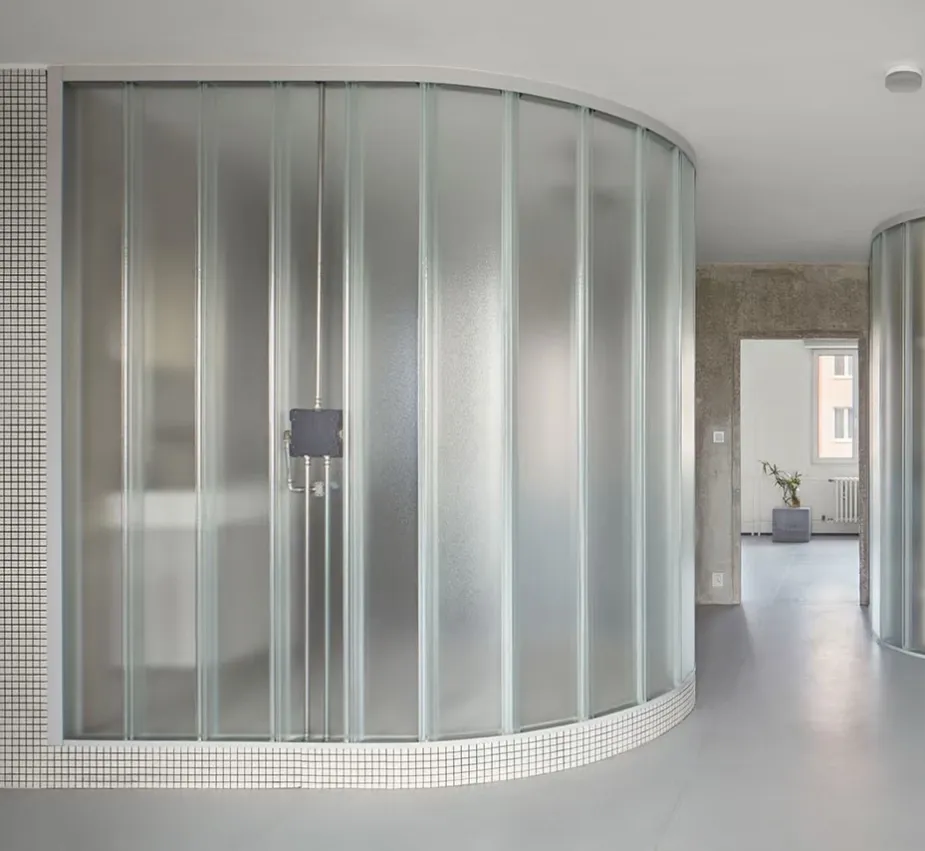
Create softly diffused light and a refined matte appearance with custom acid-etched glass. Suitable for office partitions, doors, bathroom glazing, retail interiors and decorative architectural features, acid-etched glass offers a balance of visual privacy and natural light.
Request a QuotationWhat Is Acid-Etched Glass?
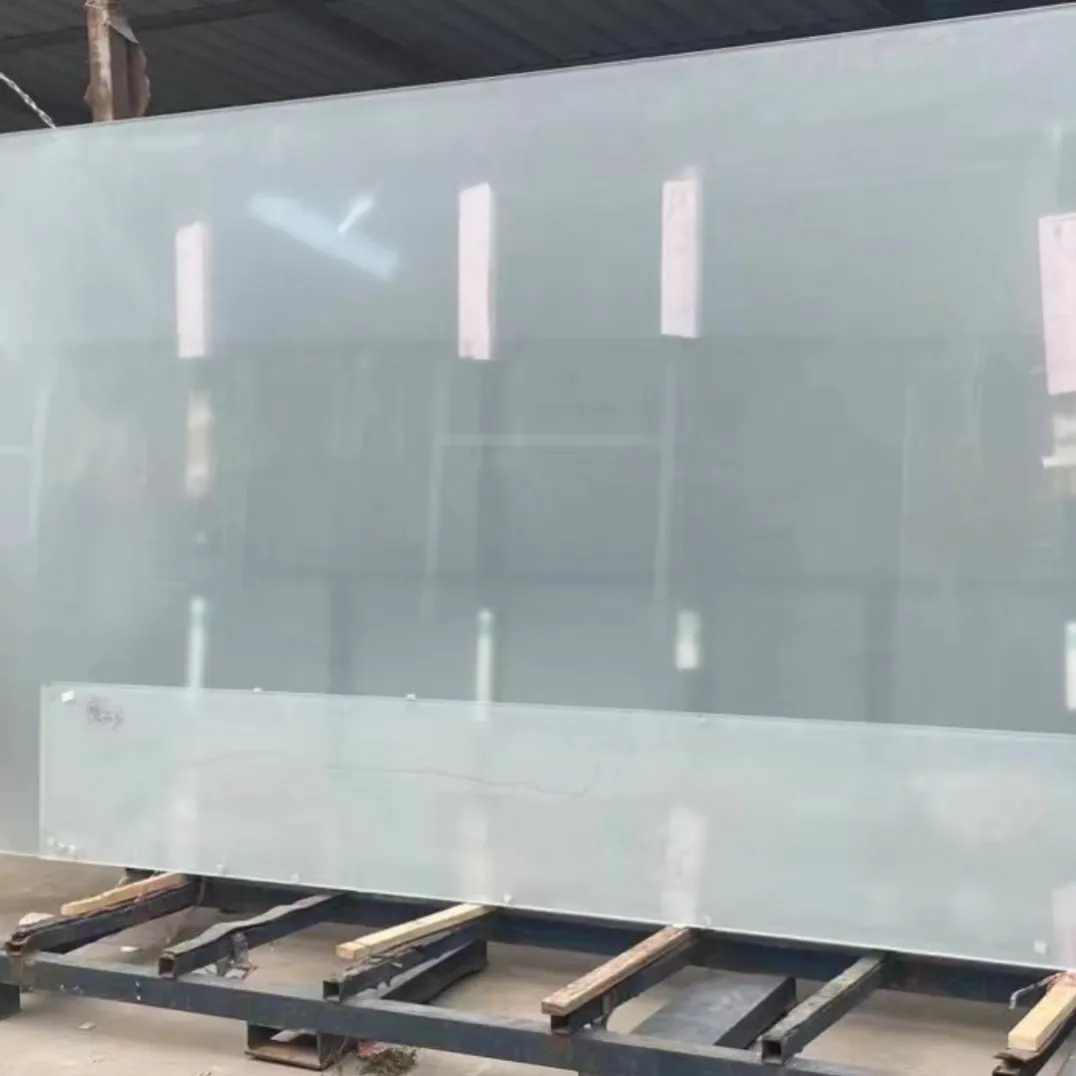
Acid-etched glass is produced by treating a glass surface with a controlled chemical etching process to create a smooth, translucent, matte finish. Often referred to as frosted glass, it diffuses light and obscures direct visibility while allowing daylight to pass through.
Compared with applied frosting films, the etched appearance is created on the glass surface itself rather than by adding a removable film. The final appearance depends on the base glass, etching process, surface treatment and whether one or both sides are etched.
True Glass supports project-based sourcing for acid-etched glass, helping coordinate dimensions, surface finish, glass processing and downstream fabrication according to the intended application.
Why Choose Acid-Etched Glass?
Visual Privacy
Obscures direct views while retaining a light-transmitting surface, making it useful for spaces that need separation without a fully opaque barrier.
Soft Light Diffusion
Distributes transmitted light more diffusely than clear glass, helping create a softer visual effect in interior spaces.
Refined Matte Finish
Offers a consistent satin-like appearance suited to contemporary interiors, office glazing and understated decorative designs.
Flexible Fabrication
Can be considered for custom-cut panels and selected tempered or laminated configurations, subject to processing compatibility and project requirements.
Acid-Etched Glass Options
Single-Sided Etching
One surface is etched to create a frosted finish while the opposite surface remains smooth. Confirm the orientation of the etched side according to the installation and cleaning requirements.
Double-Sided Etching
Both surfaces are treated to create a more uniformly diffused appearance from either side. Availability and suitability should be confirmed for the selected glass thickness and fabrication process.
Partial or Patterned Etching
Selected areas can be specified as clear or frosted to create visual divisions, logos or decorative patterns, depending on the available masking and processing method.
Finish, transparency, pattern definition and cleanability can vary by process. If a specific visual effect is important, request a representative sample before approving bulk production.
Applications of Acid-Etched Glass
Office Partitions and Meeting Rooms
Create visual separation in offices and conference rooms while maintaining a bright, open atmosphere.
Doors and Interior Screens
Add privacy to interior doors, room dividers and circulation areas without relying on opaque panels.
Bathrooms and Shower Enclosures
Use a frosted finish where privacy is needed. The glass must also meet the applicable safety-glazing requirements for the installation.
Hospitality and Commercial Interiors
Suitable for selected hotel, restaurant, reception and retail applications that call for a restrained decorative finish.
Cabinetry and Decorative Panels
Bring a soft, matte appearance to cabinet inserts, display features and selected furniture applications.
Branding and Feature Glazing
Combine clear and frosted areas for selected logos, visual patterns or branded interior glass, subject to process feasibility.
Specifications and Customization
Final specifications should reflect the glass application, privacy target, safety requirements and downstream fabrication needs.
| Specification | Current Listed Range / Options |
|---|---|
| Glass thickness | 4–12 mm listed range; confirm the available thickness for the selected configuration. |
| Maximum size | 2440 × 3660 mm listed maximum; actual limits depend on processing and final dimensions. |
| Etched surface | Single-sided, double-sided or selected patterned effects, subject to confirmation. |
| Glass type | Clear or other available base glass options, subject to availability. |
| Further processing | Cutting, edgework, holes, tempering or lamination, subject to process compatibility. |
| Project requirements | Dimensions, tolerances, safety standards, finish samples and installation details. |
The thickness and size ranges above reflect the current product listing and are not a guarantee that every combination can be produced. Confirm feasibility for the requested glass type, etching process and downstream treatment.
Acid-Etched Glass vs. Sandblasted Glass
Both acid etching and sandblasting can create a frosted appearance, but they use different surface-treatment methods. Acid etching chemically modifies the glass surface, while sandblasting uses abrasive particles directed at the surface.
| Factor | Acid-Etched Glass | Sandblasted Glass |
|---|---|---|
| Process | Chemical surface etching. | Abrasive blasting of the glass surface. |
| Typical appearance | Often a smooth, satin-like matte finish. | Can have a more granular or textured matte appearance. |
| Pattern options | Partial etching may be possible with suitable masking. | Patterns can be created using masks and controlled blasting. |
| Maintenance | Cleaning performance depends on the finish and any added treatment. | The textured surface may require more attention to residue and cleaning. |
| Best selection method | Choose when the required appearance and surface feel match an etched finish. | Choose when the intended design calls for an abrasive-blasted finish. |
Actual appearance and cleanability depend on the specific production method and any additional surface treatment. Reviewing samples is recommended when finish consistency is important.
Cleaning and Maintenance
Acid-etched glass should be cleaned using methods suitable for the particular finish. Use a soft, non-abrasive cloth and a glass cleaner approved for the product. Avoid abrasive pads, aggressive chemicals and unapproved coatings that may change the appearance of the matte surface.
Fingerprints, oils and residue may be more visible under certain lighting conditions, especially on frequently touched surfaces such as doors and partitions. Where the glass will be handled frequently, discuss maintenance expectations and any compatible anti-fingerprint treatment before ordering.
Project-Based Sourcing and Technical Coordination
Selecting acid-etched glass involves more than choosing a frosted appearance. Glass dimensions, safety treatment, etched-side orientation, edgework and installation details should be coordinated before production.
- Requirement review: confirm dimensions, quantity, privacy needs and the intended application.
- Finish confirmation: review the desired transparency, surface texture and etched-side orientation.
- Processing review: confirm cutting, edgework, holes, tempering or lamination compatibility.
- Quotation and sample planning: align the approved specification, sample requirements and estimated schedule.
- Packaging and shipment: coordinate protective packaging and export arrangements according to panel size and destination.
Frequently Asked Questions
Is acid-etched glass the same as frosted glass?
Acid-etched glass is one type of frosted glass. The term frosted glass can also refer to glass treated by other methods, including sandblasting or applied films.
Does acid-etched glass provide complete privacy?
It obscures direct visibility, but the level of privacy depends on the finish, lighting and distance from the glass. Do not assume every etched finish provides complete visual concealment.
Can acid-etched glass be tempered?
Suitable acid-etched glass can be specified for heat treatment, but the production sequence and compatibility depend on the processor and product. Confirm the intended process before placing an order.
Can acid-etched glass be laminated?
It may be incorporated into a laminated assembly if the glass and surface treatment are compatible with the lamination process. Confirm the etched-side orientation and required assembly with the supplier.
What information is needed for a quotation?
Provide glass thickness, panel dimensions, quantity, etched-side requirements, desired finish, edgework, further processing, destination and any applicable project standards. Drawings and reference photos are helpful.
CUSTOM GLASS SOURCING
Looking for Acid-Etched Glass?
Share your dimensions, preferred finish and project requirements. True Glass can help coordinate a project-specific specification review and quotation.
Contact True Glasssales@true-glass.com | +86 132 4273 2769