

Anti-Reflective Glass
Anti-glare/anti-reflective (AR) glass carries a coating that reduces surface light reflection, improving visibility through the glass and minimizing glare — commonly specified for display, retail, and daylighting applications where reflection interferes with visibility.
Optical Clarity · Reduced Reflection
Anti-Reflective Glass
Designed to minimize distracting reflections and improve visual clarity, anti-reflective glass helps viewers experience displayed objects, materials and spaces with less visual interference.
Discuss Your Glass RequirementsWhat Is Anti-Reflective Glass?
Anti-reflective glass, also known as AR glass, features an optical coating designed to reduce light reflection at the glass surface. By allowing more visible light to pass through and reducing reflected images, it can provide a clearer view of objects behind the glass and help preserve their natural appearance.
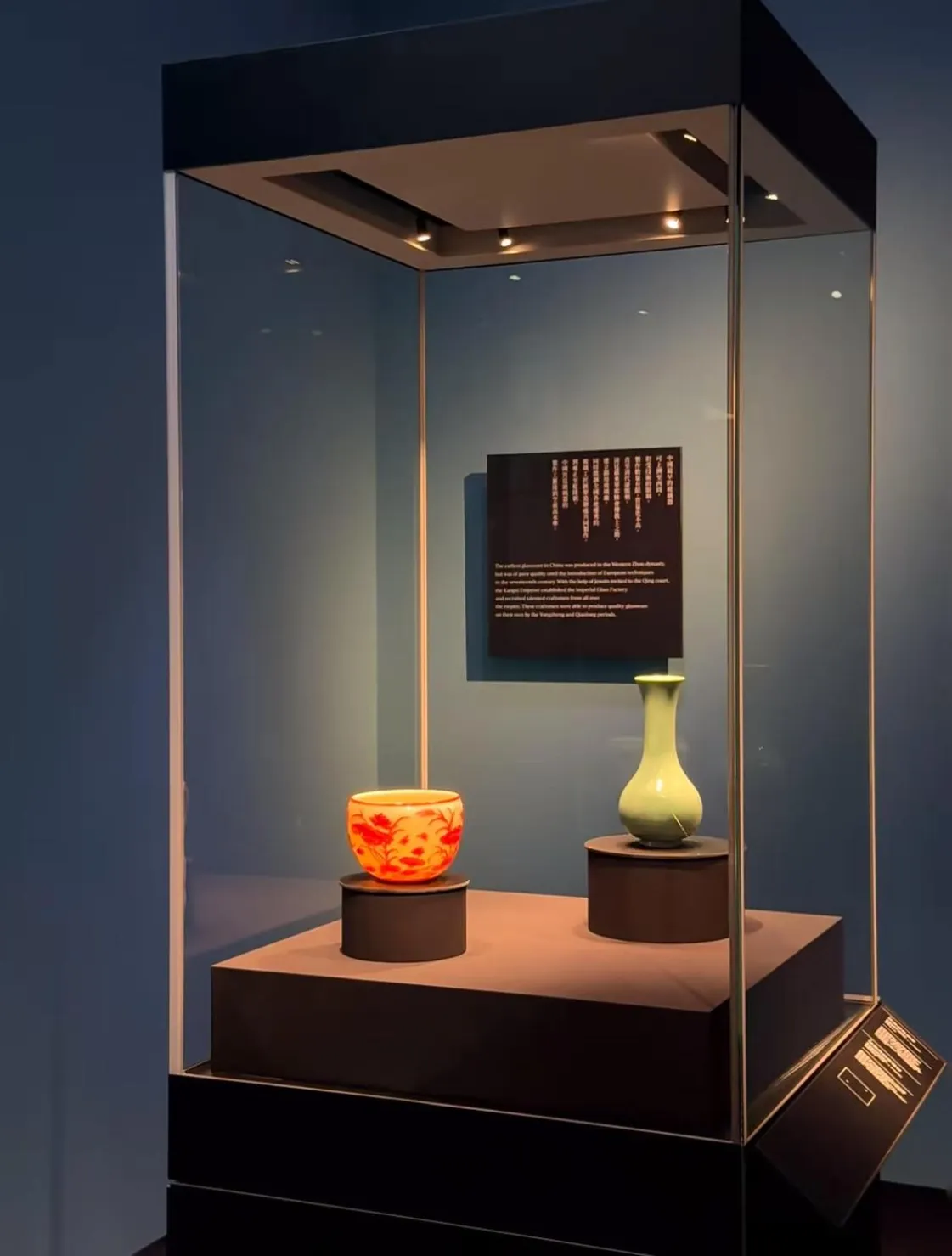
It is particularly useful where visual presentation matters, including museum displays, showcase glazing, retail displays, picture framing and selected architectural applications. The appropriate product depends on the required optical performance, glass configuration and processing conditions.
Key Benefits
Reduced Surface Reflection
Minimizes distracting reflected images compared with conventional uncoated glass, helping viewers focus on the object or space beyond.
High Light Transmission
A suitable AR coating can increase visible light transmission, supporting bright, clear displays and improved visual access.
Natural Color Appearance
Reduced reflection helps colors, surface details and textures appear more faithfully, depending on the substrate and coating design.
Project-Based Configurations
AR glass can be evaluated for integration into selected laminated, tempered or insulating glass assemblies, subject to coating compatibility and manufacturer approval.
Single-Sided vs. Double-Sided AR Glass
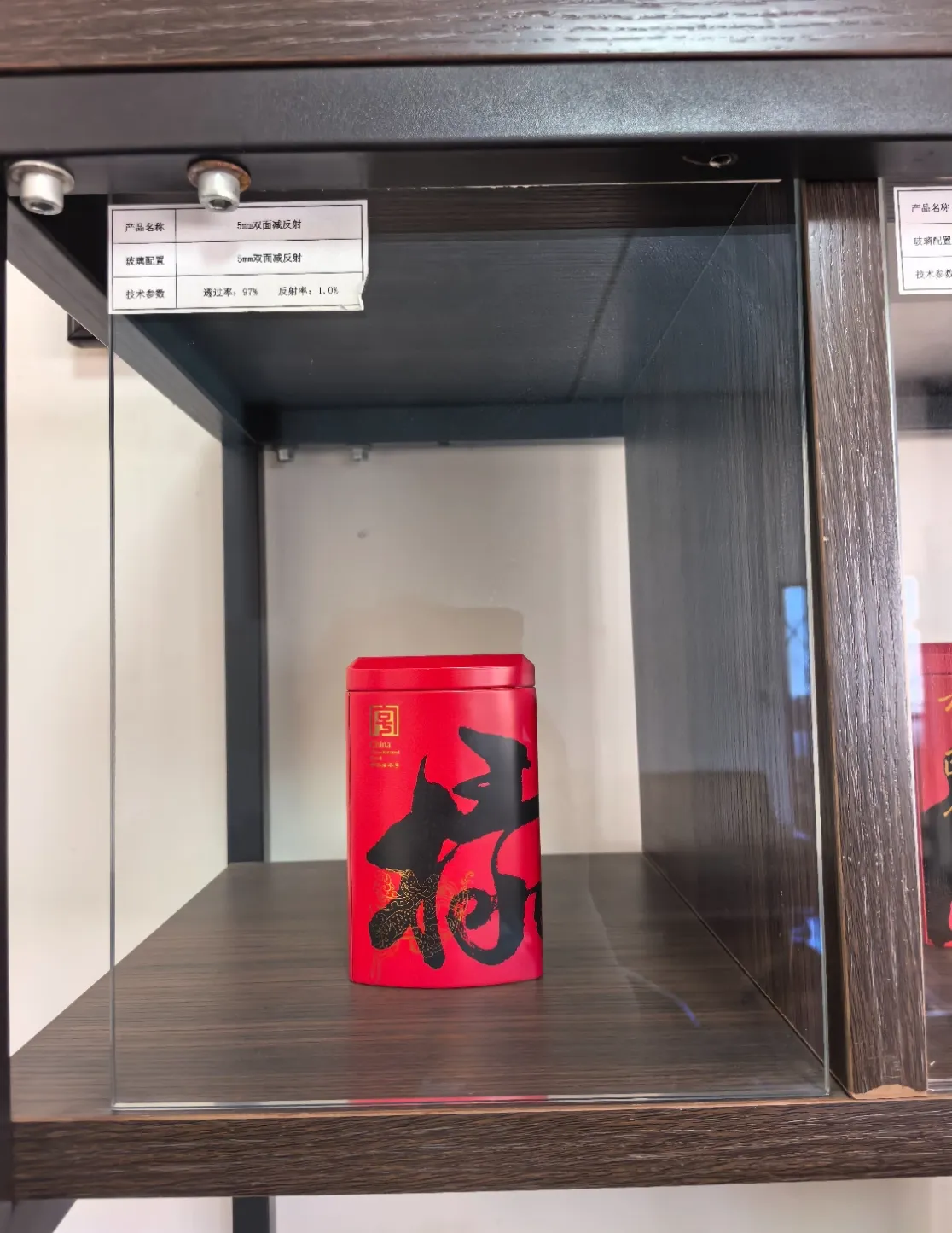
The coating arrangement influences the overall optical result. Single-sided AR glass has an anti-reflective coating on one surface, while double-sided AR glass has coatings on both designated surfaces. Double-sided products can achieve lower overall reflection, but actual performance varies by product, thickness and test method.
| Comparison | Single-Sided AR | Double-Sided AR |
|---|---|---|
| Coating | One designated surface | Two designated surfaces |
| Typical consideration | Targeted reduction of surface reflection | Greater overall reflection reduction may be possible |
| Selection priority | Required viewing direction and application | Optical target, exposure and fabrication compatibility |
The coating location, orientation and permitted fabrication sequence must be confirmed against the selected manufacturer's technical documentation before production.
Typical Applications
Museums & Exhibitions
Display cases and protective glazing where clear viewing and faithful object presentation are important.
Retail & Showcases
Luxury merchandise displays, jewelry showcases and product presentation areas where reflections can distract from the displayed items.
Picture Frames & Displays
Framed artwork, collectible displays and other applications requiring enhanced visual clarity.
Selected Architectural Glazing
Shopfronts, viewing areas and other architectural glazing where low reflection is desired and the chosen coating is approved for the intended exposure and assembly.
Optical Performance: What to Check
When comparing AR glass options, review the measured visible light transmittance and visible light reflectance, including whether reflectance is measured from one side or both. The glass thickness, substrate, coating arrangement and test conditions should match the intended specification.
- Visible Light Transmittance (VLT): The proportion of visible light transmitted through the glass.
- Visible Light Reflectance (VLR): The proportion of visible light reflected from the specified surface or assembly.
- Color Neutrality: Whether the glass introduces a noticeable color shift in reflected or transmitted light.
- Durability & Processability: Suitability for handling, cleaning, tempering, bending, laminating or insulating glass fabrication.
Do not compare a single-pane optical value directly with a laminated or insulating glass value unless the measurement basis is equivalent.
Can Anti-Reflective Glass Be Tempered or Laminated?
Some AR glass products are designed for further processing, but compatibility is coating-specific. Tempering, heat strengthening, bending, laminating and insulating glass production must follow the manufacturer's approved processing instructions. Coating surface location and exposure to interlayers, sealants, cleaning agents or weather are important considerations.
For architectural applications, the complete glass build-up should also meet the project's safety, structural, thermal, acoustic and local code requirements. Availability of a coating alone does not establish that every finished assembly is suitable.
Custom AR Glass Sourcing for Your Project
True Glass supports project-based glass sourcing by coordinating product selection, processing requirements and supplier communication. Share your drawings or specifications and we can help review suitable options for your application.
- Required dimensions, thickness and quantity
- Single-sided or double-sided anti-reflective coating
- Clear or low-iron glass substrate
- Required tempering, lamination or insulating glass configuration
- Target visible light transmittance and reflectance
- Installation location, exposure conditions and applicable standards
Frequently Asked Questions
What is the difference between anti-reflective glass and low-iron glass?
Low-iron glass reduces the greenish tint associated with iron content in the glass. Anti-reflective glass uses an optical coating to reduce surface reflection. They address different optical effects and may be combined when the selected products are compatible.
Does anti-reflective glass eliminate all reflections?
No. It reduces reflection, but the result depends on the coating, number of coated surfaces, glass build-up, viewing angle and lighting conditions.
Is AR glass suitable for exterior facades?
Some products may be suitable for selected exterior applications. Confirm weathering durability, coating orientation, processing compatibility and complete-system performance with the manufacturer before specification.
How do I request a quotation?
Send your dimensions, quantity, glass build-up, coating requirements, destination and project application. If available, include drawings or performance specifications so the configuration can be reviewed accurately.
Looking for the Right Anti-Reflective Glass?
Tell us about your project and optical performance targets. True Glass can help you review suitable glass configurations and sourcing options.
Request a Quote Contact Us on WhatsAppEmail: sales@true-glass.com