Bird-Friendly / Bird-Safe Glass
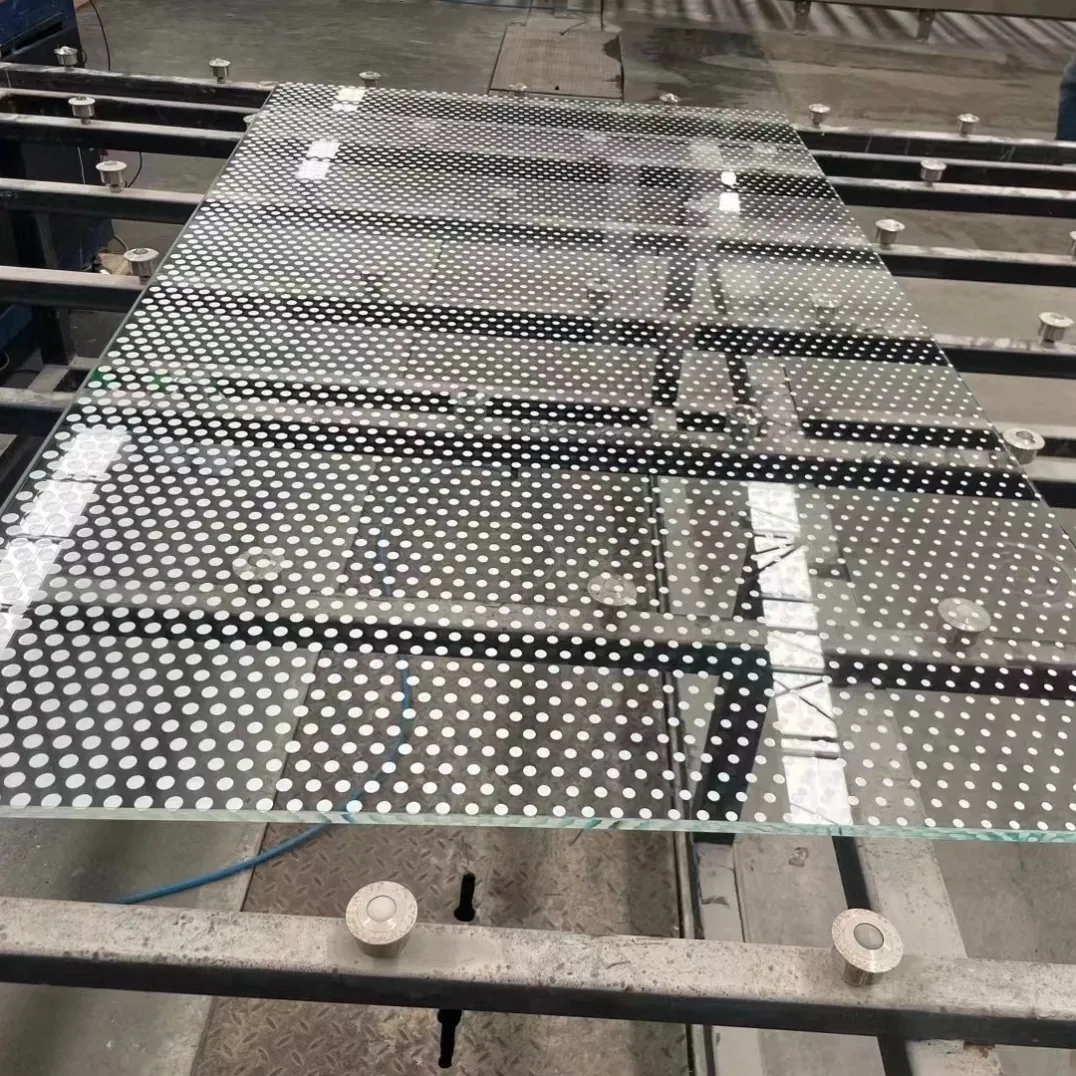
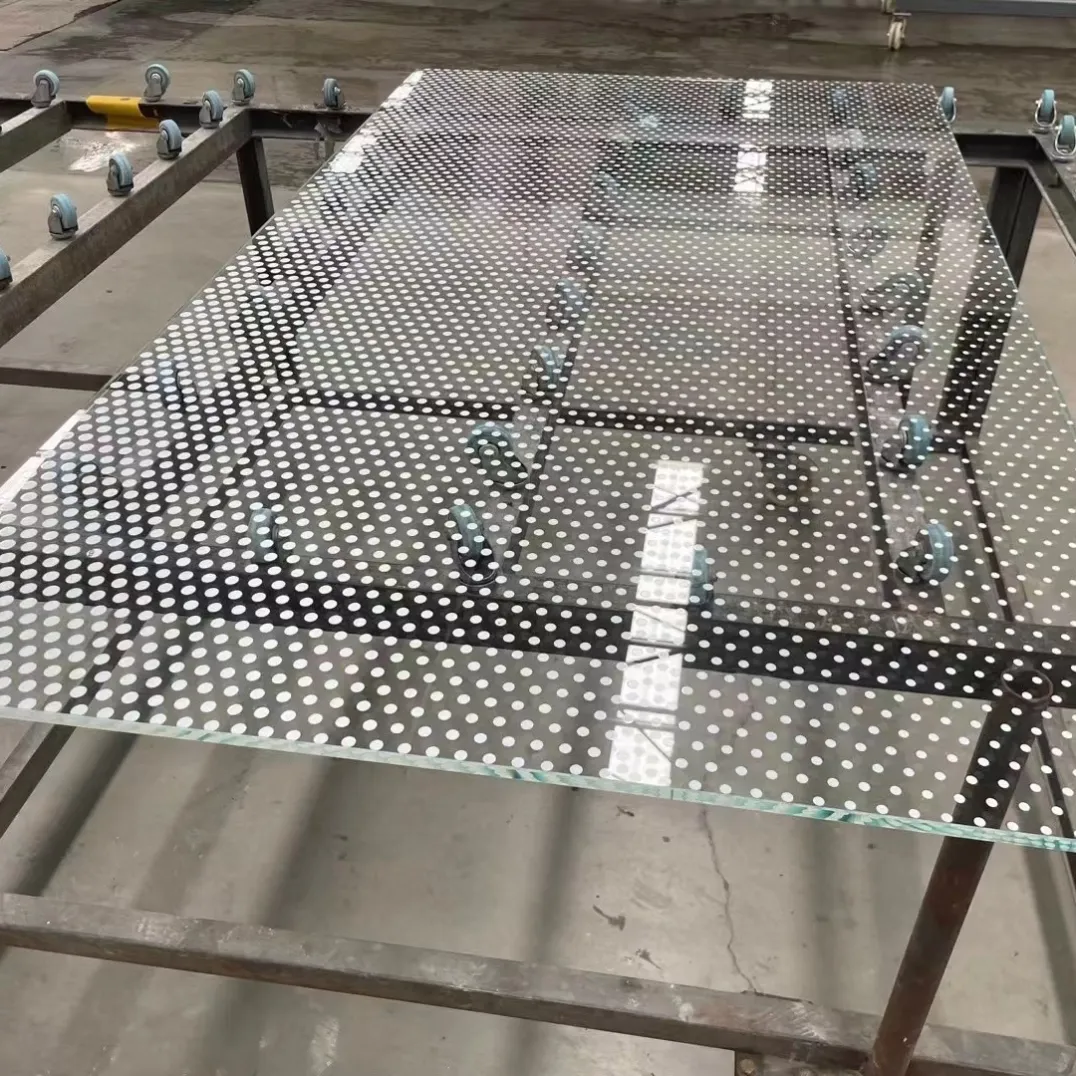
Source custom bird-friendly glass with ceramic frit patterns, UV-reflective options, and laminated or insulated configurations for bird-conscious architectural facades.
Specifications
- Standard Thickness
- 4mm – 12mm
- Max Size
- 3300 × 6000mm (jumbo available on request)
- Free Sample(12'')
- 15days
Architectural Glass Solutions
Bird-Friendly Glass for Architectural Facades
Bird-friendly glass is designed to help reduce bird collisions with building glazing by making glass surfaces more perceptible to birds. With ceramic frit patterns, selected UV-reflective treatments, and project-specific laminated or insulated configurations, True Glass helps match bird-conscious glazing solutions to architectural, performance, and design requirements.
Discuss Your ProjectWhat Is Bird-Friendly Glass?
Standard architectural glass can reflect the sky, trees, and surrounding landscape, or appear transparent to birds. These visual conditions can make it difficult for birds to recognize a glazed facade as a physical barrier. Bird-friendly glass uses visible patterns or other specifically designed treatments to help birds identify the glazing and avoid collisions.
Depending on the project, the treatment may take the form of ceramic frit dots or lines, digitally printed patterns, selected UV-reflective technology, or a bird-deterrent interlayer incorporated into laminated glass. The appropriate solution depends on the tested product, pattern layout, viewing conditions, glass build-up, and applicable project requirements.
Important: Bird-friendly performance is product- and configuration-specific. Pattern spacing, surface position, visible contrast, and applicable testing criteria should be reviewed against the project's local requirements before specification approval.
Bird-Friendly Glass Solutions
Different projects require different balances of bird-collision deterrence, daylight, outward views, facade appearance, and overall glazing performance. The following options can be evaluated according to your drawings and specification.
OPTION 01
Ceramic Frit Patterns
Dots, lines, or other patterns are printed with ceramic frit and fired onto the glass during processing. Pattern design, coverage, contrast, and surface position can be specified for the project.
OPTION 02
Digitally Printed Glass
Digital ceramic printing supports more flexible artwork, custom graphics, and project-specific pattern layouts. The print design and processing method should be checked against the required bird-deterrence criteria.
OPTION 03
UV-Reflective Treatments
Selected UV-reflective products are designed to create visual cues that birds can perceive. Availability, human-visible appearance, durability, and test evidence vary by product and must be verified.
OPTION 04
Bird-Deterrent Laminated Glass
Certain interlayers incorporate bird-deterrent patterns within a laminated glass assembly. This option can be evaluated where impact performance, acoustic control, or a protected internal pattern is also required.
Pattern Design and Bird-Collision Deterrence
Pattern spacing and visual contrast are key considerations in bird-friendly glazing. One widely referenced design approach is the “2 × 4 rule,” which uses visual markers spaced no more than approximately 2 inches horizontally and 4 inches vertically. It is a useful starting point for design discussions, but it should not be treated as a universal approval standard for every jurisdiction, product, or facade condition.
Depending on the applicable guidance, the pattern may consist of dots, horizontal or vertical lines, or other tested visual markers. Pattern size, spacing, coverage, and placement should be reviewed together rather than selected independently. Some projects may require a specific tested product, threat-factor result, or documentation from an accepted testing program.
Pattern Spacing
Check marker spacing against the governing design guidance and tested system.
Visual Contrast
Evaluate how the pattern appears under relevant daylight and background conditions.
Test Evidence
Request product-specific test results when required by the project specification.
Glass Configurations for Project Requirements
Bird-deterrent treatments can be evaluated as part of different architectural glazing assemblies. The final configuration must be confirmed according to the selected product's processing requirements, structural design, thermal performance, safety requirements, and applicable codes.
| Configuration | Typical Project Considerations | Items to Confirm |
|---|---|---|
| Single bird-friendly glass | Facade glazing, screens, or other applications where a single lite is specified. | Glass thickness, treatment surface, pattern, strength, and safety requirements. |
| Bird-friendly laminated glass | Projects that also require a laminated assembly for safety, retention, or other specified performance. | Interlayer type, pattern location, total thickness, edge details, and tested assembly. |
| Bird-friendly insulated glass units (IGUs) | Exterior facades and windows requiring thermal or solar-control performance. | Bird-deterrent lite and surface, Low-E position, cavity, gas fill, spacer, and overall unit build-up. |
| Bird-friendly glass with Low-E or solar control | Projects balancing bird-collision deterrence with energy and solar-gain targets. | Compatibility of coatings and printing, optical appearance, processing sequence, and performance calculations. |
These are configuration categories rather than guaranteed standard combinations. Feasibility depends on the selected treatment, glass processor, project drawings, and performance requirements.
Where Is Bird-Friendly Glass Used?
Commercial Facades
Office buildings, mixed-use developments, and glazed building envelopes in bird-sensitive locations.
Institutional Buildings
Schools, universities, public facilities, and other projects with sustainability or wildlife-protection objectives.
Atriums and Walkways
Large glazed areas, connectors, and transparent structures where collision risk needs to be considered.
Green Building Projects
Developments pursuing bird-collision deterrence provisions, local bird-safe requirements, or applicable sustainability credits.
Project-Based Sourcing and Technical Coordination
Bird-friendly glazing can involve several interdependent decisions, from pattern design and surface position to glass build-up, coating compatibility, testing, and delivery. True Glass supports project teams by coordinating sourcing and processing options around the actual specification, rather than treating every inquiry as a standard glass order.
Drawing and Specification Review
Review glass schedules, dimensions, pattern requirements, surface positions, tolerances, and edgework before quotation.
Configuration Coordination
Evaluate suitable options for single glazing, laminated glass, IGUs, and compatible coating combinations.
Documentation and Samples
Coordinate available technical documents, product-specific test evidence, and samples or mock-ups where feasible.
Export Order Coordination
Coordinate production planning, export packing, and shipment arrangements around project quantities and delivery needs.
Information Needed for a Bird-Friendly Glass Quote
To evaluate a suitable solution efficiently, please share as much of the following information as is available:
- Project location and the applicable bird-safe building guideline, code, or specification.
- Glass dimensions, thickness, quantity, and required delivery schedule.
- Required pattern type, spacing, color, coverage, and treatment surface, if specified.
- Required glass build-up, such as single glazing, laminated glass, or insulated glass units.
- Low-E or solar-control requirements, target optical properties, and other performance criteria.
- Required testing, certification, submittal documents, samples, or mock-ups.
If the specification is still under development, drawings and the project's performance objectives are a useful starting point.
Frequently Asked Questions
Does bird-friendly glass look noticeably different from standard glass?
It depends on the pattern, marker size, spacing, color, coverage, viewing distance, and lighting conditions. Some designs are subtle from a distance, while others are intentionally prominent. A sample or project mock-up can help evaluate the appearance.
Can bird-friendly glass be combined with Low-E glass?
Potentially, yes. The feasible combination depends on the bird-deterrent treatment, coating type and surface position, glass build-up, and processing sequence. These details should be reviewed before production.
Can bird-friendly glass be supplied as laminated glass or an IGU?
Selected bird-deterrent solutions can be evaluated for laminated or insulated configurations. Compatibility, pattern position, total thickness, and the performance of the complete assembly must be confirmed for the specific product.
Does following the 2 × 4 rule guarantee bird-safe performance?
No single spacing rule should be treated as a universal guarantee. The relevant guideline, marker design, product testing, and project conditions must be considered together. Where a project requires a tested or approved product, the supporting evidence should be checked.
Can custom patterns and sizes be supplied?
Custom dimensions and pattern designs can be evaluated against the available processing method, glass thickness, equipment limits, and required performance. Please provide drawings or pattern artwork for feasibility review.
What should be included in an inquiry?
Project location, glass schedule, dimensions, quantity, required pattern or tested product, glass build-up, performance criteria, and target delivery date will help us review the request more accurately.
Tell Us About Your Project
Looking for Bird-Friendly Glass for Your Facade?
Share your drawings, glass schedule, project location, and bird-collision deterrence requirements. True Glass can help review potential glass configurations and coordinate suitable sourcing options for your project.
Request a Project ReviewEmail: sales@true-glass.com