
Curved / Bent Glass
Custom curved and bent glass for facades, curtain walls, atriums and interiors. Explore glass configurations, fabrication options and project-based technical support.
Architectural Glass Solutions
Custom Curved / Bent Glass
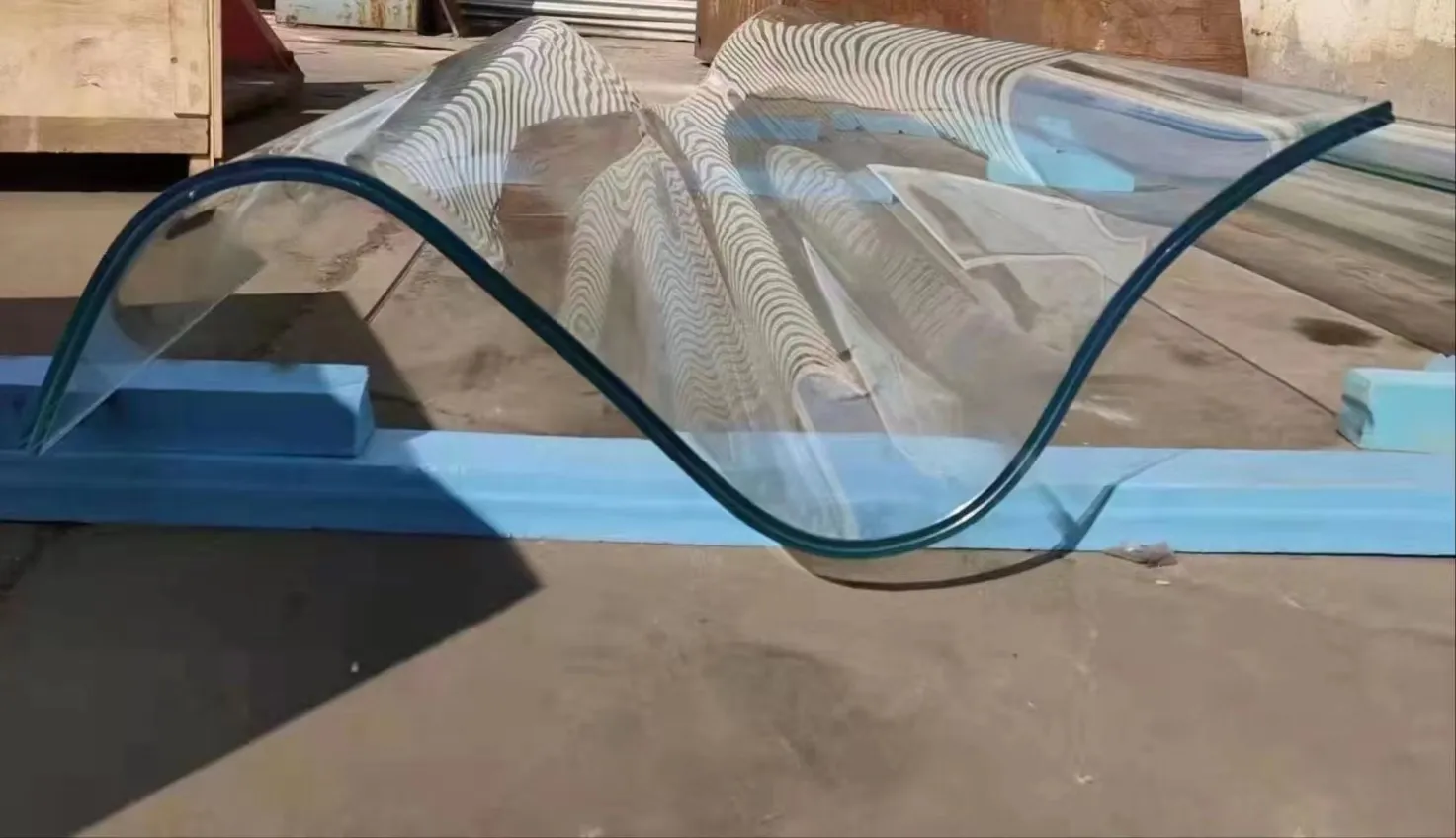
Custom curved and bent glass for facades, curtain walls, atriums and architectural interiors. From simple radiused panels to complex curved glazing, we help coordinate suitable glass configurations and fabrication options around your project requirements.
What Is Curved Glass?
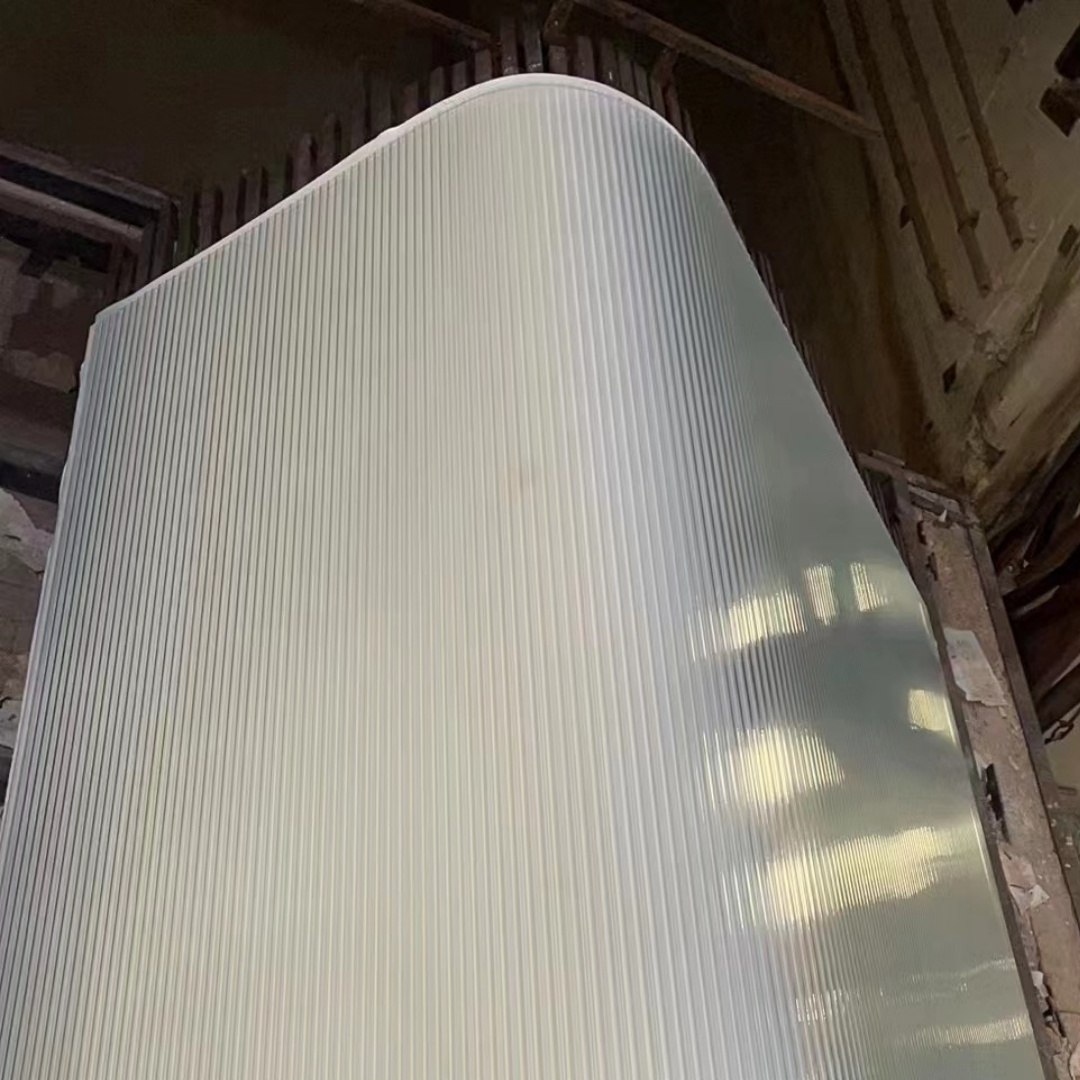
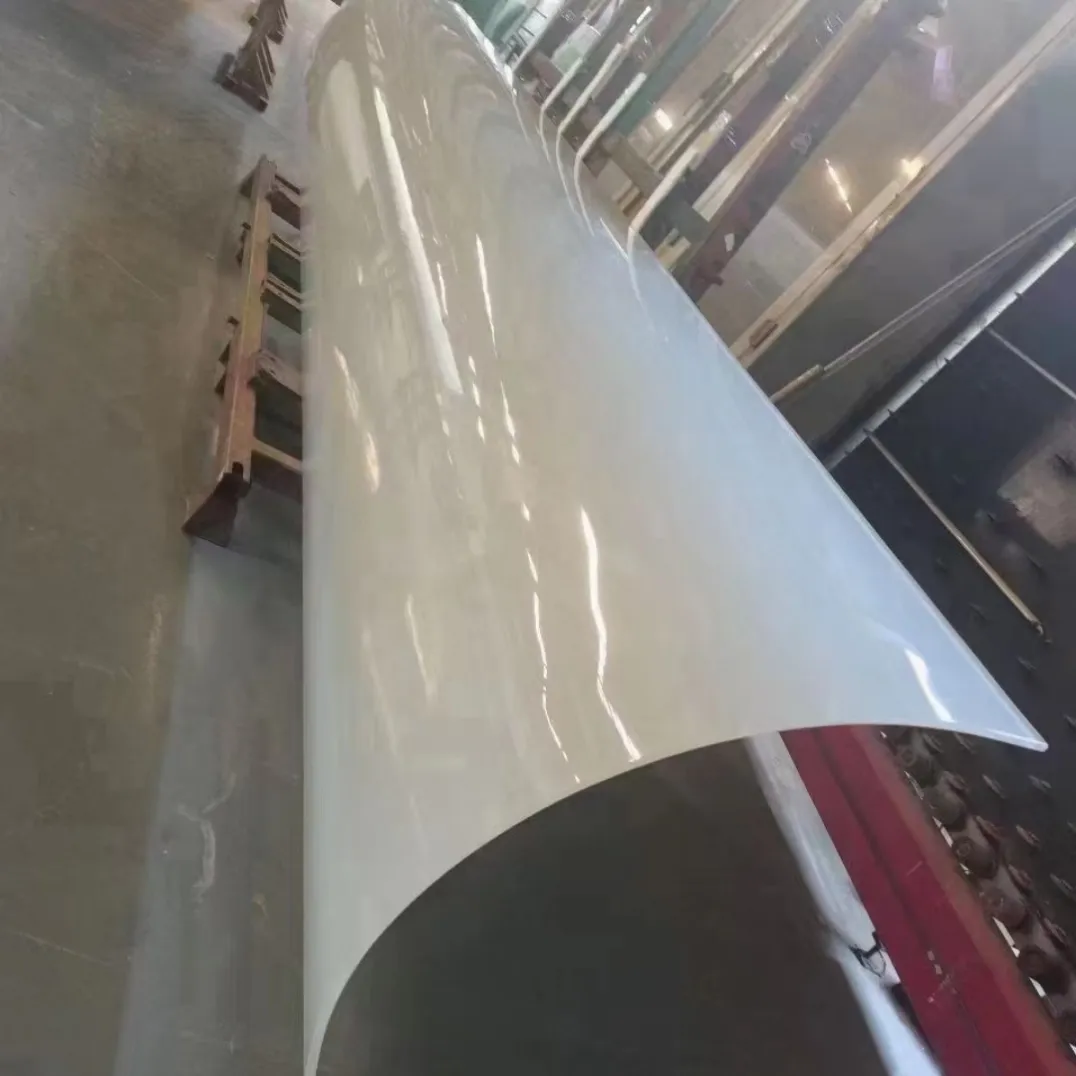
Curved glass, also known as bent glass, is flat glass that has been heated and formed into a specified radius or curvature. It allows architects and designers to create flowing facades, rounded corners, panoramic views and distinctive interior features that are difficult to achieve with flat glazing alone.
Depending on the intended application, curved glass may be supplied in annealed, heat-strengthened, tempered or laminated configurations. The appropriate solution depends on the required safety performance, dimensions, curvature, installation method and applicable project standards.
At True Glass, we coordinate project-based sourcing for custom curved glass, helping customers assess fabrication feasibility, glass build-up, processing requirements and delivery considerations before production.
Curved Glass Types & Configurations
Annealed Curved Glass
Suitable for applications where the design and safety requirements permit annealed glass. Further processing and installation conditions should be reviewed for each project.
Heat-Strengthened Curved Glass
Offers greater resistance to thermal stress and mechanical loads than annealed glass. It is often considered for architectural glazing where the design calls for heat-strengthened performance.
Tempered Curved Glass
Heat-treated curved glass designed for applications requiring enhanced strength and safety characteristics. Feasibility depends on the glass thickness, radius, dimensions and processor capabilities.
Laminated Curved Glass
Combines glass layers with an interlayer to help retain fragments after breakage. Glass type, interlayer and total build-up can be evaluated according to safety, acoustic and design requirements.
Insulating Curved Glass
Curved insulating glass units may be considered for projects requiring thermal or acoustic performance. Available combinations and achievable dimensions must be confirmed with the processor.
Coated & Specialty Glass
Selected Low-E, solar-control, tinted or other specialty glass options may be possible. Coating compatibility, surface orientation and processing limitations should be checked before specification approval.
How Is Curved Glass Made?
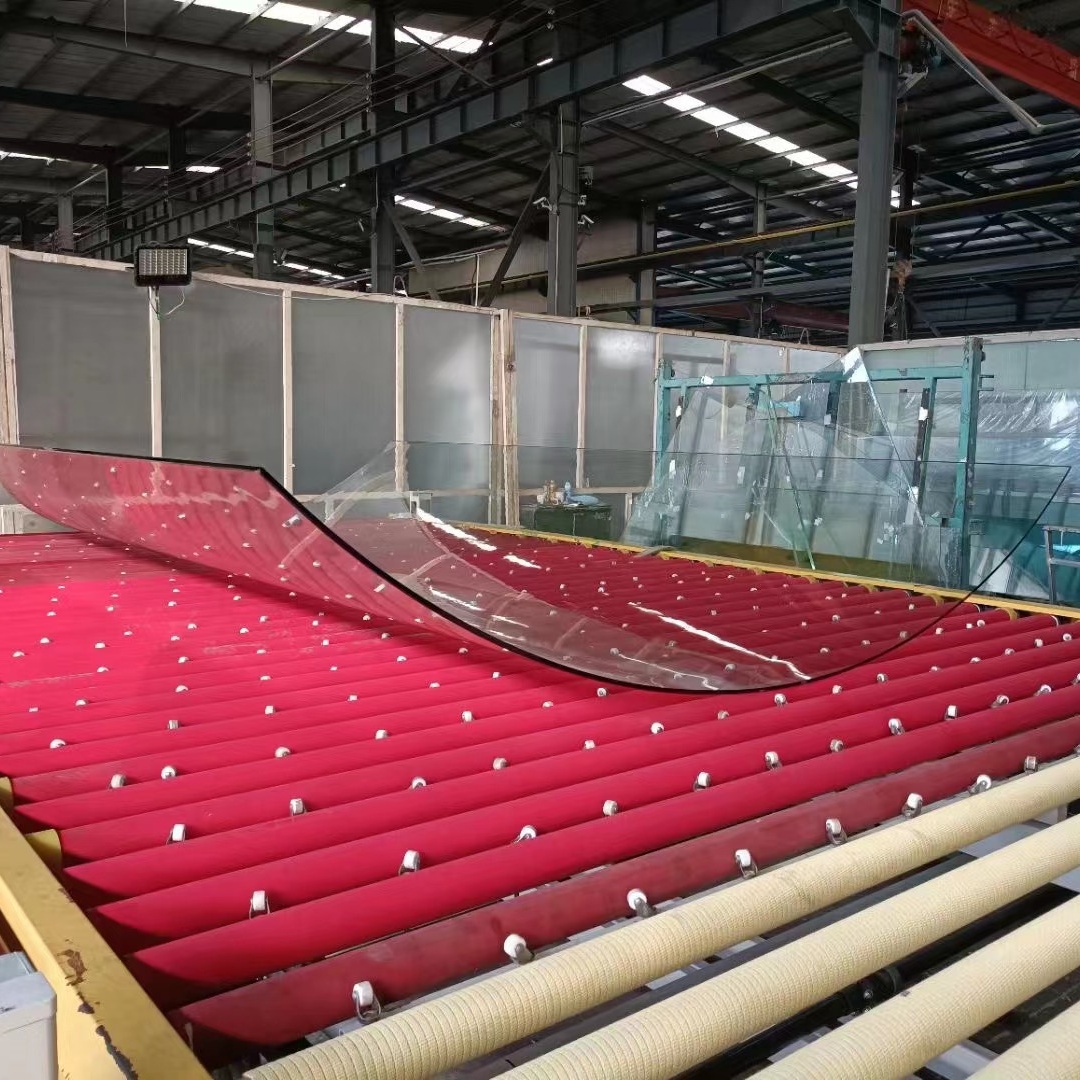
Curved glass is generally produced by heating a glass sheet until it can be formed over a mould or shaped using suitable bending equipment. The glass is then cooled under controlled conditions. Where required, the production route incorporates heat treatment or subsequent lamination.
- Design review: Confirm drawings, radius, glass dimensions, thickness and performance requirements.
- Forming: Heat and shape the glass to the specified curvature using a suitable forming process.
- Cooling and treatment: Apply the required cooling and heat-treatment process according to the selected glass type.
- Additional processing: Complete compatible edgework, coating or lamination steps as specified and confirmed for the project.
- Inspection and packing: Review agreed quality requirements and prepare the glass for transportation.
Curved glass generally requires more specialised tooling and processing than flat glass. Radius, dimensions, thickness, edge details and optical requirements can all influence manufacturing feasibility, lead time and cost.
Applications of Curved Architectural Glass
Building Facades & Curtain Walls
Curved exterior glazing for rounded building envelopes, corner features and contemporary facade designs.
Atriums & Public Spaces
Custom glazing for large interior spaces, entrance halls and architectural features with flowing geometry.
Hospitality & Commercial Interiors
Curved partitions, reception areas, feature walls and bespoke interior glazing.
Retail & Display
Curved display cases, shopfront features and custom glass elements for retail environments.
Key Design & Specification Considerations
A clear and complete specification helps establish whether the proposed curved glass can be manufactured and installed as intended. The following details should be reviewed before quotation and production.
| Specification | What to Confirm |
|---|---|
| Radius & curvature | Inside or outside radius, curved length, arc angle and any compound curvature. |
| Dimensions & thickness | Panel height, width, glass thickness and dimensional tolerances. |
| Glass configuration | Annealed, heat-strengthened, tempered, laminated or insulating glass requirements. |
| Optical quality | Acceptable visual distortion, reflection and appearance criteria for the intended viewing conditions. |
| Coatings & finish | Tint, Low-E or solar-control coating, surface orientation, edgework, holes and cut-outs. |
| Performance & compliance | Safety, thermal, acoustic, structural and local code requirements, as applicable. |
Note: Maximum dimensions, minimum achievable radius, tolerances and compatible processing options vary by glass build-up and manufacturing facility. These details should be confirmed against the actual project drawings before order placement.
Curved Glass Sourcing & Project Coordination
Custom curved glazing often involves more than selecting a glass type. The forming process, finishing requirements, installation details and shipping constraints need to work together.
Project-Based Assessment
Review drawings and specifications to identify key technical questions before quotation.
Configuration Coordination
Coordinate glass type, thickness, curvature and compatible processing options with suitable suppliers.
Order & Delivery Support
Coordinate production details, packing requirements and shipment planning for project orders.
Frequently Asked Questions
Can curved glass be tempered?
Yes, curved tempered glass is available for suitable designs. Achievable dimensions, thickness and radius depend on the processor's equipment and the specific glass configuration, so feasibility should be checked before production.
Can curved glass be laminated?
Laminated curved glass can be considered for applications requiring fragment retention or additional performance. The glass layers, interlayer and processing sequence must be confirmed for the intended design.
Can curved glass include Low-E or solar-control coatings?
Some coated glass options may be suitable for curved glazing. Coating compatibility, processing sequence, surface orientation and performance requirements should be reviewed with the supplier for each project.
What information is needed for a curved glass quotation?
Please provide panel dimensions, radius or drawings, glass thickness, required glass type, quantity, coating or interlayer requirements, destination and applicable standards. Drawings are especially helpful for custom shapes.
Is every curved glass design manufacturable?
Not necessarily. Feasibility depends on the radius, dimensions, thickness, glass composition, processing requirements and available equipment. Technical review is recommended before finalising the design.
Need Custom Curved Glass for Your Project?
Send us your drawings, dimensions, radius and glass specifications. Our team can help coordinate a project-based review and quotation for your curved architectural glazing requirements.
Email: sales@true-glass.com | WhatsApp: +86 132 4273 2769