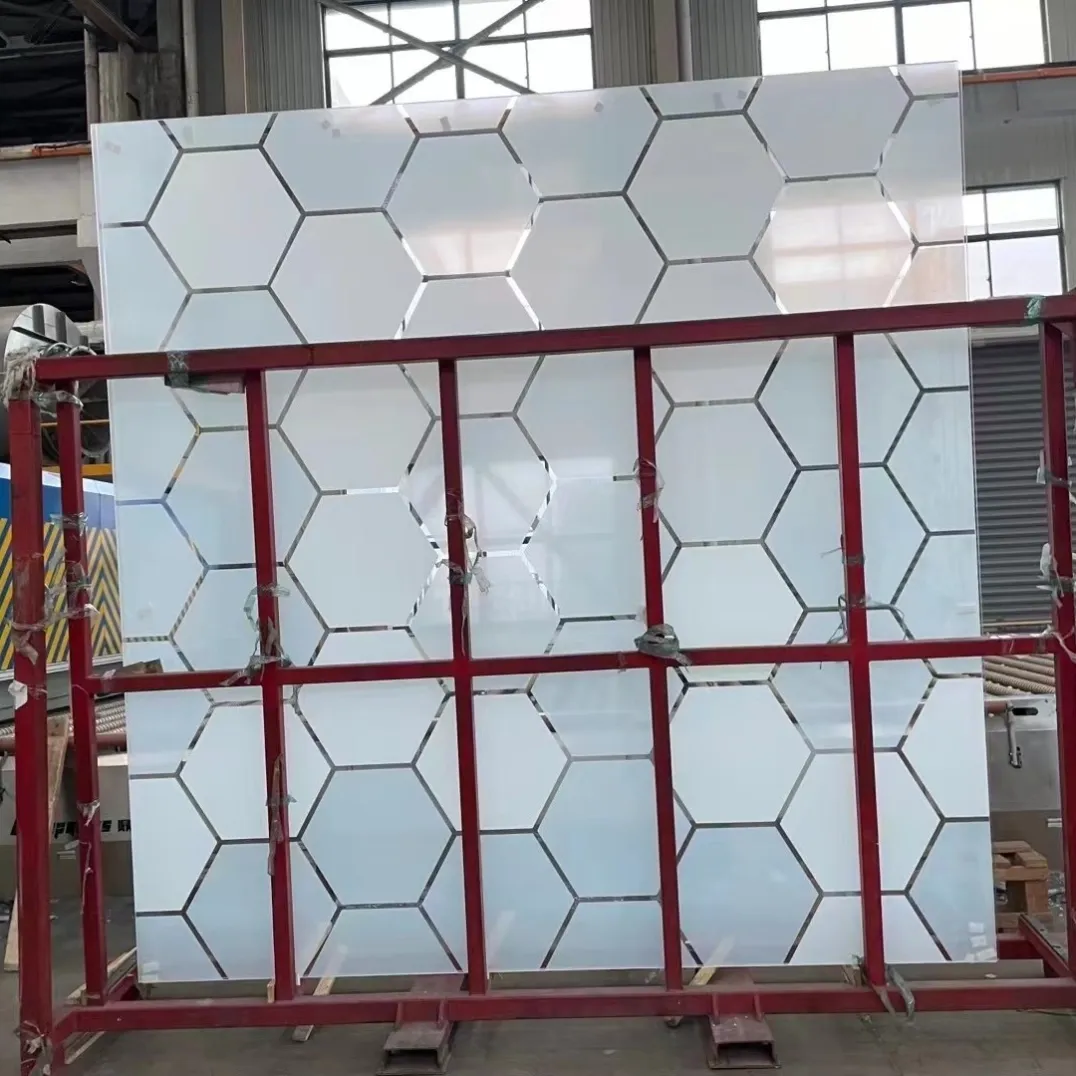
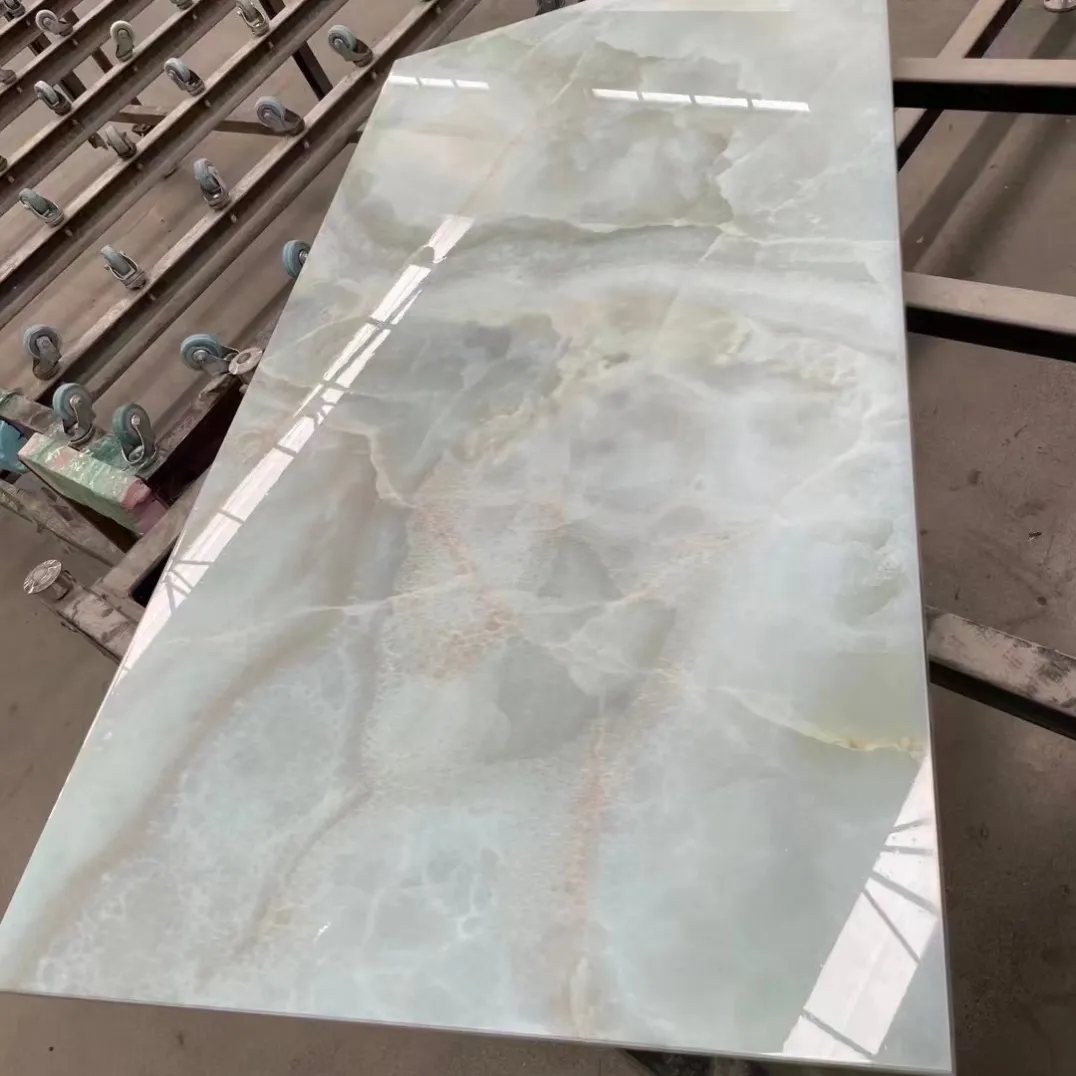
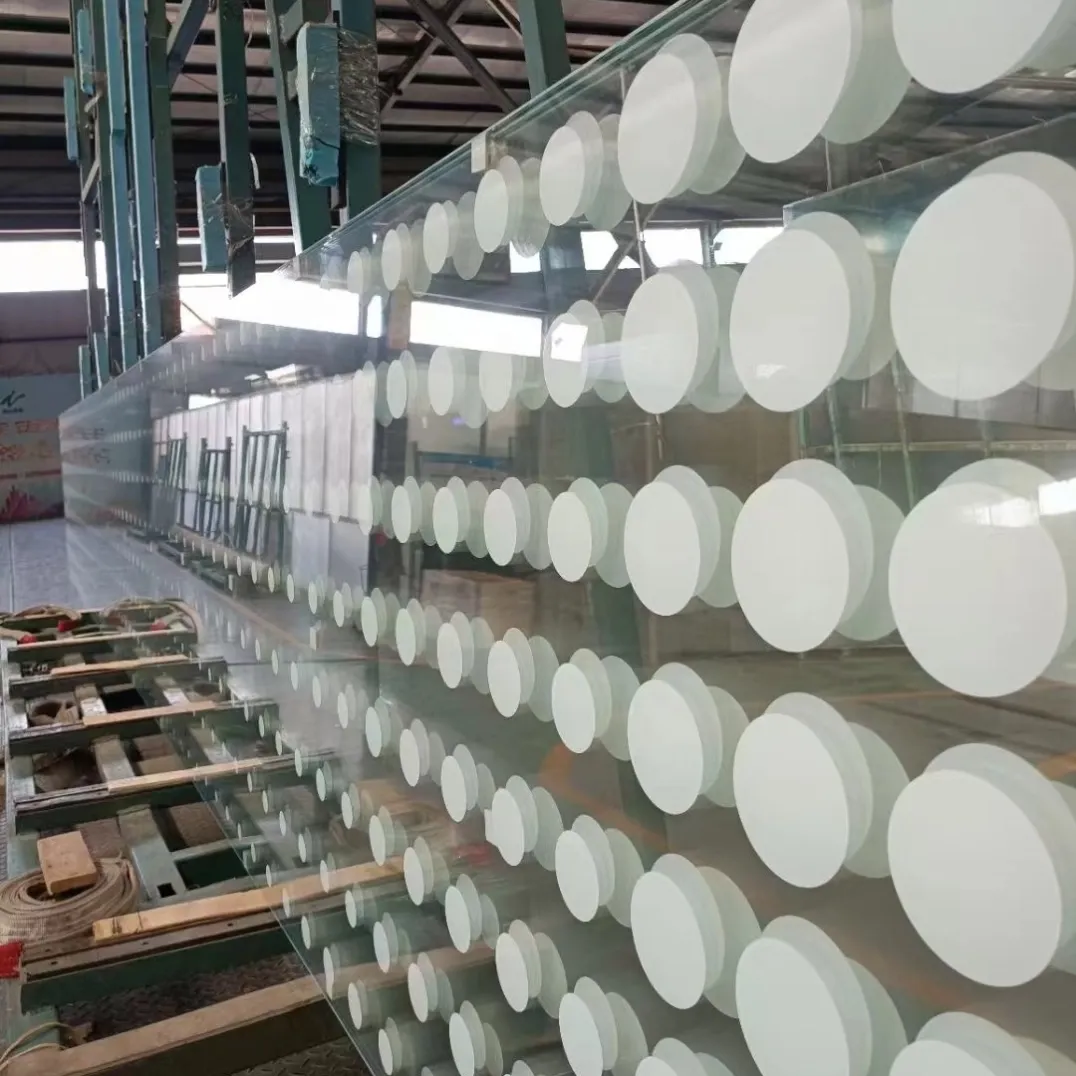
Digital Printed Glass
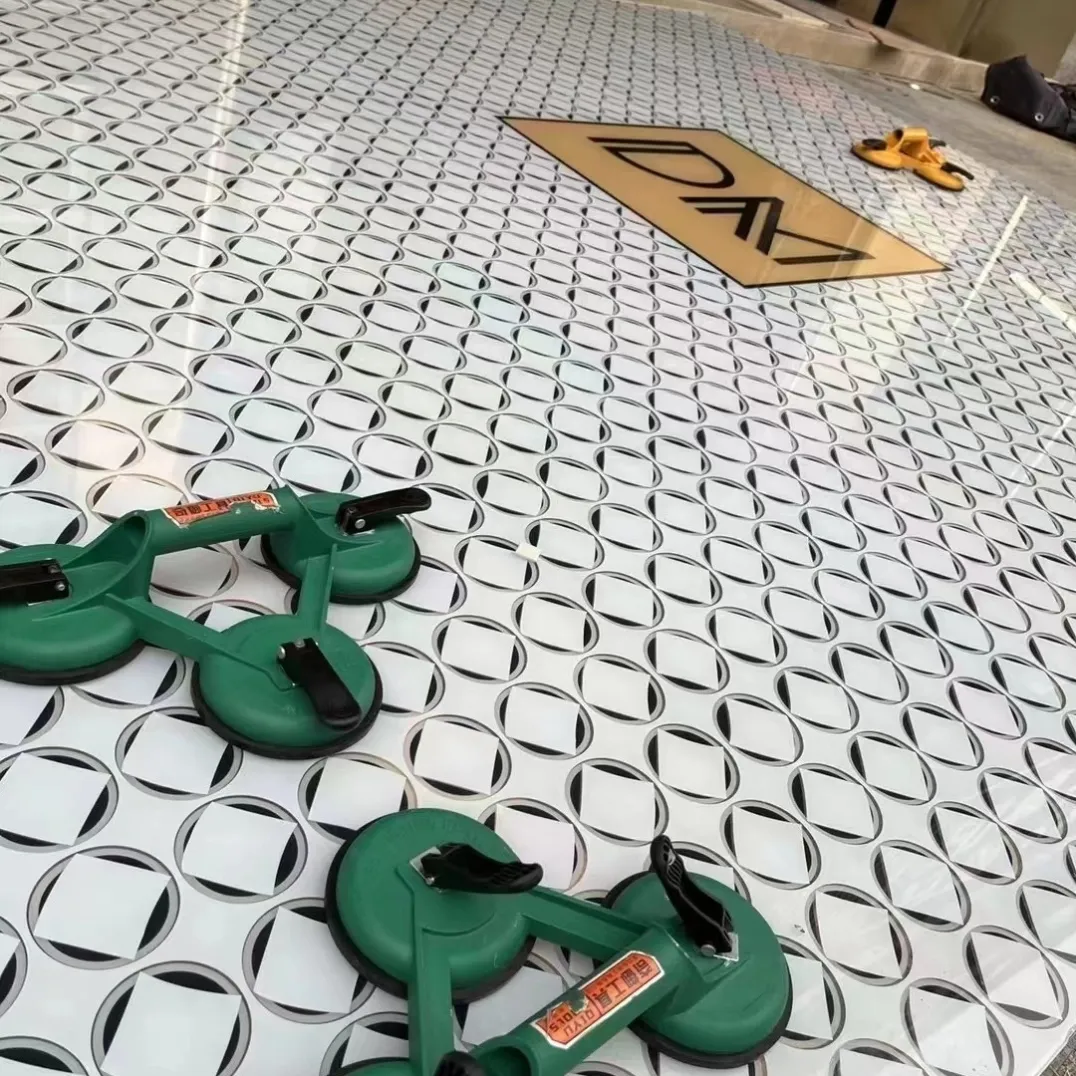
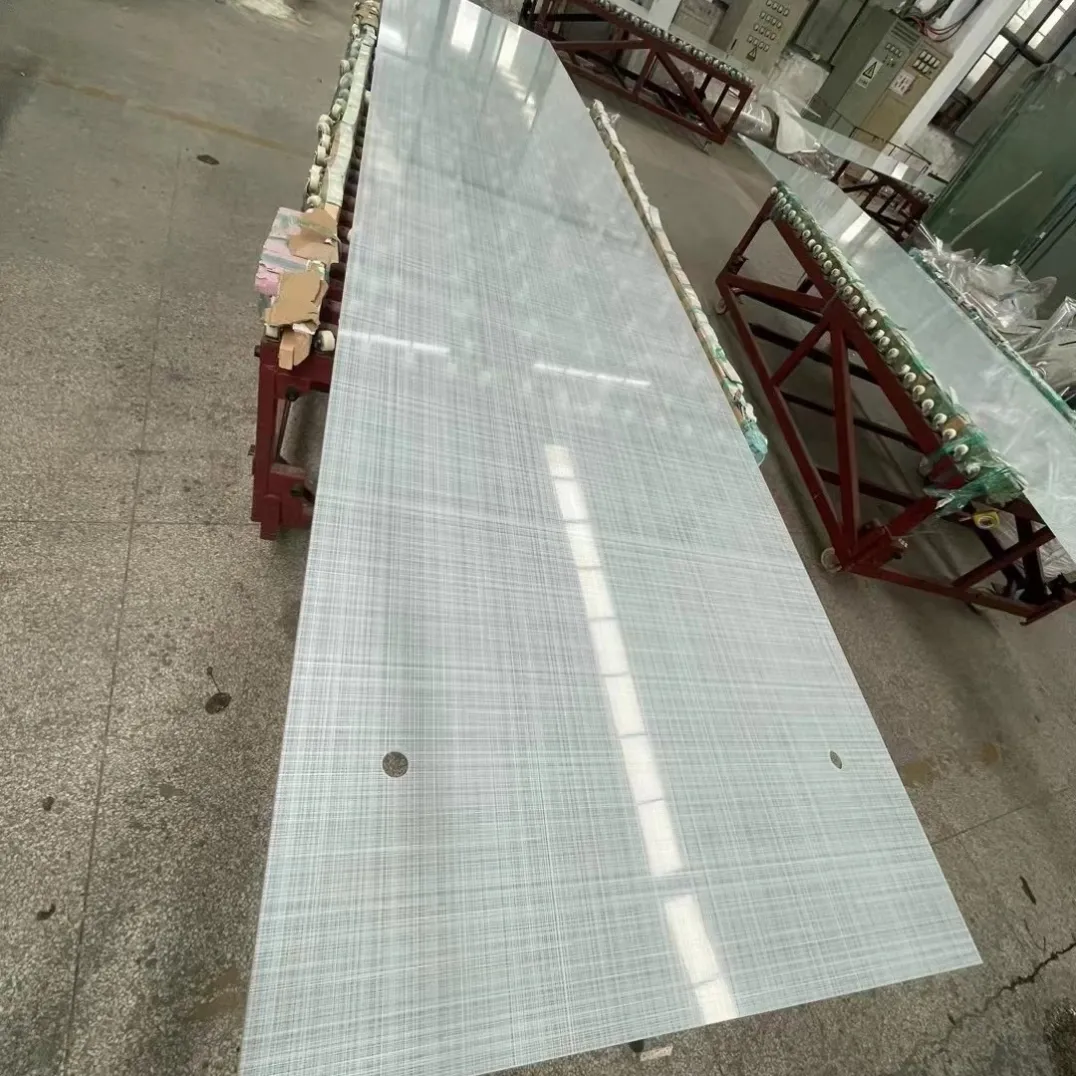
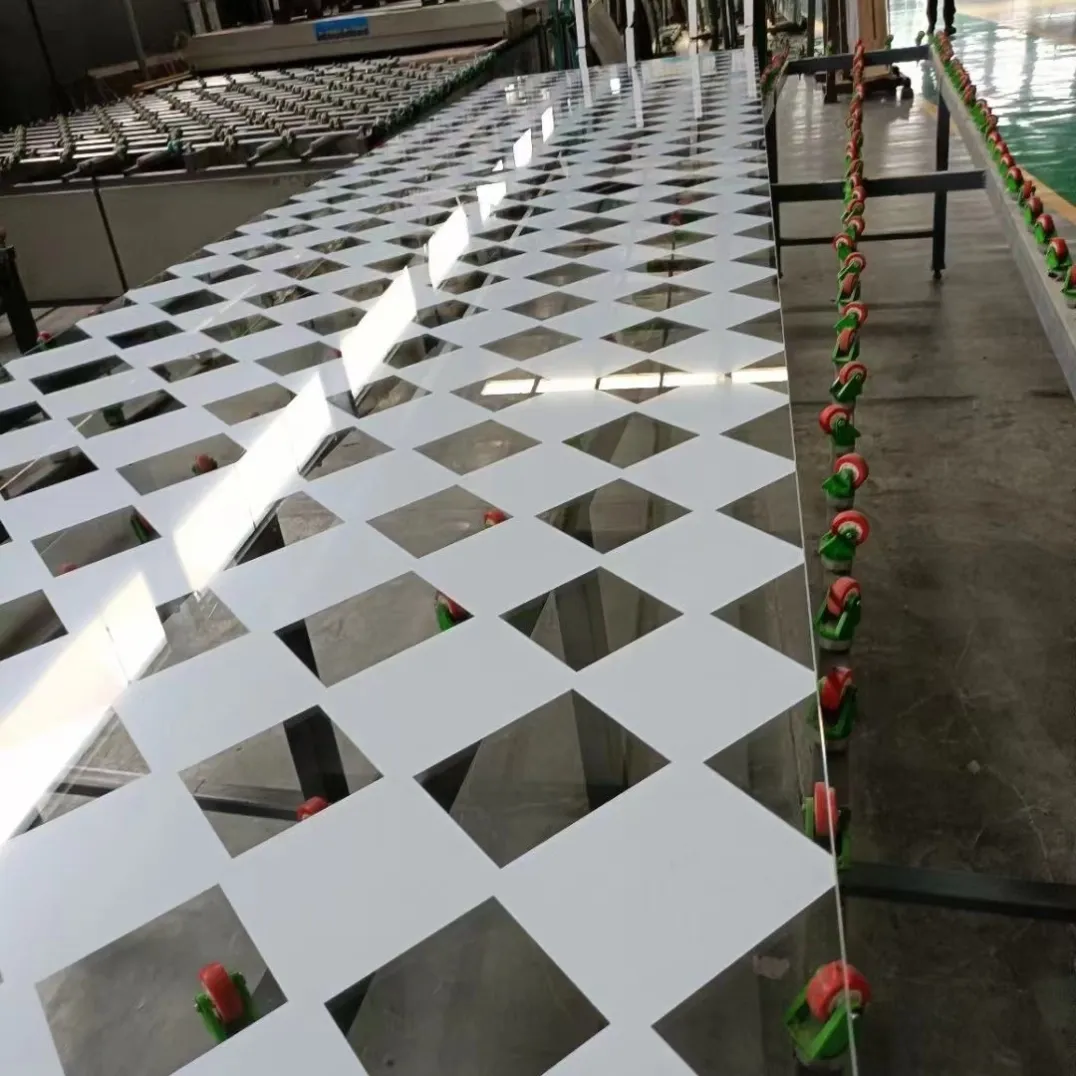
Digital ceramic printed glass uses UV-stable ceramic ink, digitally printed directly onto the glass surface and fused during tempering, to produce full-color, high-resolution graphics, patterns, or branding that become a permanent part of the glass.
Custom Decorative Architectural Glass
Digital Printed Glass for Custom Architectural Designs
Turn images, patterns, brand graphics, and architectural concepts into custom glass designs. Digital printed glass supports detailed visual expression across commercial interiors, retail environments, decorative facades, and other architectural applications, with printing methods selected according to the design and performance requirements.
Discuss Your DesignWhat Is Digital Printed Glass?
Digital printed glass is produced by applying digitally controlled graphics, images, patterns, or colors to glass using a compatible printing system. Unlike conventional decorative glass with a limited set of standard patterns, digital printing allows artwork to be customized to suit a specific design concept or project identity.
Depending on the printing technology, the ink system, and the required end use, the printed design may be fused into the glass during heat processing or cured using another method. Digital ceramic printing is particularly relevant to architectural applications where a durable printed finish is required, while other digital printing methods may suit different decorative needs.
At True Glass, digital printed glass can be coordinated for project-specific sizes, artwork, glass types, and compatible fabrication requirements. The appropriate printing process and final glass construction should be confirmed according to the design file, intended application, and performance specification.
Design freedom, with the right process: Printing technology, color appearance, viewing direction, glass thickness, heat treatment, and final installation can all affect the result. Confirming these factors early helps align the printed sample with the project intent.
Why Choose Digital Printed Glass?
Digital printing gives architects, designers, and brand teams more flexibility to develop glazing that supports a particular visual identity, spatial concept, or functional objective.
01 / DESIGN
Customized Graphics
Create bespoke imagery, logos, illustrations, gradients, and repeat patterns from suitable digital artwork rather than relying only on a fixed catalog of designs.
02 / PRECISION
Detailed Visual Expression
Digitally controlled artwork can reproduce complex graphic elements and fine patterns, subject to the printer's resolution, ink system, glass properties, and production settings.
03 / ARCHITECTURE
Integrated Glass Design
Printed graphics can become part of a facade, partition, feature wall, display, or other glazed element, bringing visual design into the building material itself.
04 / PROJECT
Flexible Project Coordination
Artwork, panel dimensions, glass configuration, edgework, and compatible secondary processing can be reviewed together to help align the product with project requirements.
Digital Ceramic Printing and Other Printing Methods
Not all printed glass is made using the same technology. The choice of process affects the appearance, durability, production sequence, and suitability for interior or exterior use.
Digital Ceramic Printed Glass
Ceramic ink is digitally deposited onto glass and, for compatible products, fired during a subsequent heat-treatment process so the ceramic decoration fuses to the glass surface.
Common considerations
- Suitable for selected architectural applications requiring a durable ceramic finish.
- Supports customized graphics and patterns, subject to printer and ink capabilities.
- Printing, tempering, color appearance, and final use must be reviewed together.
Digital UV Printed Glass
UV printing uses ink cured by ultraviolet light. It can be suitable for certain decorative graphics, display elements, and interior design applications, depending on the ink system and product specification.
Common considerations
- Can support detailed and colorful decorative graphics.
- Performance depends on the ink, surface preparation, curing process, and installation conditions.
- Exterior exposure and heat treatment compatibility must be confirmed before specification.
The terms “digital printed glass” and “digital ceramic printed glass” are not always interchangeable. Please identify the required printing technology when submitting drawings or requesting a quotation.
Applications of Digital Printed Glass
From subtle decorative patterns to prominent brand graphics, digitally printed glass can be considered for a wide range of commercial and architectural environments.
Retail and Luxury Stores
Custom brand graphics, decorative screens, display backdrops, and feature glazing for retail interiors and flagship stores.
Architectural Facades
Printed facade panels and selected spandrel applications where the design, opacity, solar behavior, and facade system are coordinated together.
Office and Commercial Interiors
Meeting-room partitions, reception areas, decorative screens, and branded glass features for offices and shared spaces.
Hospitality and Public Spaces
Feature walls, lobby glazing, restaurant interiors, exhibition spaces, and decorative panels that support a distinctive design concept.
Canopies and Overhead Glazing
Selected overhead or exterior applications, subject to the required safety glazing construction, loading, weather exposure, and system approval.
Patterned and Bird-Aware Designs
Printed patterns may be designed to improve glass visibility for birds. Effectiveness depends on the pattern, spacing, placement, and applicable bird-friendly design guidance.
Customization and Fabrication Options
Digital printing is often one step within a larger glass fabrication process. The artwork and printing method should therefore be coordinated with the required glass dimensions, treatment, and final assembly.
Artwork and Color
Custom images, logos, patterns, gradients, and graphic layouts. Color matching should be assessed using suitable samples and agreed viewing conditions.
Glass Type and Heat Treatment
Clear or ultra-clear glass and other suitable substrates may be considered. Tempering or heat strengthening compatibility depends on the selected ink system and process sequence.
Laminated Glass
Printed glass may be incorporated into a laminated construction where the printing method, surface orientation, interlayer, and final performance requirements are compatible.
Insulated Glass Units
Selected printed panes can be considered for IGU assemblies. The print surface, cavity orientation, seal compatibility, and thermal performance should be reviewed for the specific design.
Edgework and Cutouts
Edge polishing, holes, notches, and other fabrication details can be coordinated according to the drawings and the processing sequence. Details should be finalized before production.
Curved and Special Shapes
Curved or irregularly shaped printed glass may be feasible for selected configurations. Availability depends on the printing equipment, bending process, dimensions, and project requirements.
Not every printing process is compatible with every glass type or secondary fabrication method. Confirm feasibility before specifying combined processes.
Specifications and Project Requirements
Digital printed glass is usually produced to order. The following information provides a starting point for discussion; final specifications depend on the selected process and confirmed production capability.
| Item | Project Considerations |
|---|---|
| Glass thickness | The current product page lists 5–12 mm as a standard range. Confirm the available thickness for the chosen glass type, printing method, and heat treatment. |
| Panel dimensions | The current product page lists a maximum size of 2440 × 3660 mm. Usable print area and finished dimensions should be verified for each design and processing route. |
| Artwork file | Provide vector artwork or high-resolution source files where available, together with dimensions, repeat requirements, and color references. |
| Printing method | Specify ceramic digital printing or another required printing technology. Confirm whether the product will be tempered, laminated, or used in an IGU. |
| Appearance | Confirm viewing side, print orientation, transparency or opacity, background color, sample approval, and acceptable color variation. |
| Performance requirements | Identify safety glazing, exterior exposure, weathering, cleaning, structural, or other project requirements relevant to the final assembly. |
The dimensions and thicknesses above reflect the ranges currently listed on this product page and are not a guarantee that every size, thickness, artwork, or glass configuration can be produced together.
Project-Based Sourcing and Technical Coordination
Printed architectural glass requires careful coordination between artwork, glass processing, visual approval, and final installation. True Glass works with project requirements to coordinate potential sourcing and fabrication options rather than treating every inquiry as a standard catalog order.
Drawing and Artwork Review
Review panel sizes, artwork placement, edge and hole details, print orientation, and relevant production constraints before proceeding.
Sample and Color Coordination
Coordinate samples or mock-ups where required to review artwork, color appearance, transparency, and the relationship between the printed design and glass substrate.
Configuration Review
Coordinate suitable glass types and compatible secondary processing based on the application, specification, and confirmed supplier capability.
Export and Delivery Planning
Coordinate packaging, shipment planning, and delivery requirements for project orders, with timing confirmed after the scope and production route are established.
What to Provide for a Digital Printed Glass Quote
For a more accurate review, please share as much of the following information as possible:
- Project location, application, and intended installation environment.
- Panel dimensions, thickness, quantity, and any special shapes or cutouts.
- Artwork files, print dimensions, color references, and required viewing side.
- Required printing technology, if specified: digital ceramic printing, UV printing, or another process.
- Whether the glass needs tempering, heat strengthening, lamination, or incorporation into an IGU.
- Appearance requirements, sample or mock-up expectations, and acceptable color variation.
- Applicable safety, facade, weathering, or other performance requirements.
- Target delivery date, destination, and packaging requirements.
Frequently Asked Questions
What is the difference between digital printed glass and digital ceramic printed glass?
Digital printed glass is a broad term for glass decorated using digitally controlled printing methods. Digital ceramic printed glass uses ceramic ink and a compatible firing process to create a durable ceramic finish. The exact process should be confirmed because not all digital printing methods use ceramic ink or are suitable for the same applications.
Can digital printed glass reproduce a photograph or complex graphic?
Digital printing can support detailed images, gradients, and complex graphic designs, subject to the printer's resolution, ink system, glass substrate, and artwork quality. A sample or production mock-up may be needed to confirm the final appearance.
Is digital printed glass suitable for exterior facades?
Selected ceramic-printed glass products can be suitable for exterior architectural applications. The printing method, heat treatment, exposure conditions, glass construction, and facade system must be confirmed for the intended use. Not every printed glass product is suitable for long-term exterior exposure.
Can digital printed glass be tempered or laminated?
Certain printed glass products can be tempered or incorporated into laminated constructions, but compatibility depends on the ink system and processing sequence. Confirm the intended configuration before production, particularly when multiple fabrication steps are required.
Can printed glass be used in insulated glass units?
Yes, selected printed panes can be used in IGUs where the glass, printing method, seal system, and final assembly are compatible. The location of the print surface and the required appearance should be confirmed during specification review.
How do I prepare artwork for digital printing?
Provide the original artwork or the highest-quality source file available, along with the finished glass dimensions, print area, color references, orientation, and any repeat or alignment requirements. The production team can then confirm file preparation requirements and whether a sample is recommended.
What affects the cost of digital printed glass?
Pricing depends on panel size, glass type and thickness, artwork complexity, printing method, quantity, secondary processing, sample requirements, packaging, and delivery destination. Sharing the drawings and artwork helps establish a more meaningful quotation.
Bring Your Design to Glass
Looking for Custom Digital Printed Glass?
Send us your drawings, artwork, dimensions, and project requirements. True Glass can help coordinate suitable printing and glass fabrication options for your architectural or decorative glass project.
Request a Project QuoteEmail: sales@true-glass.com