
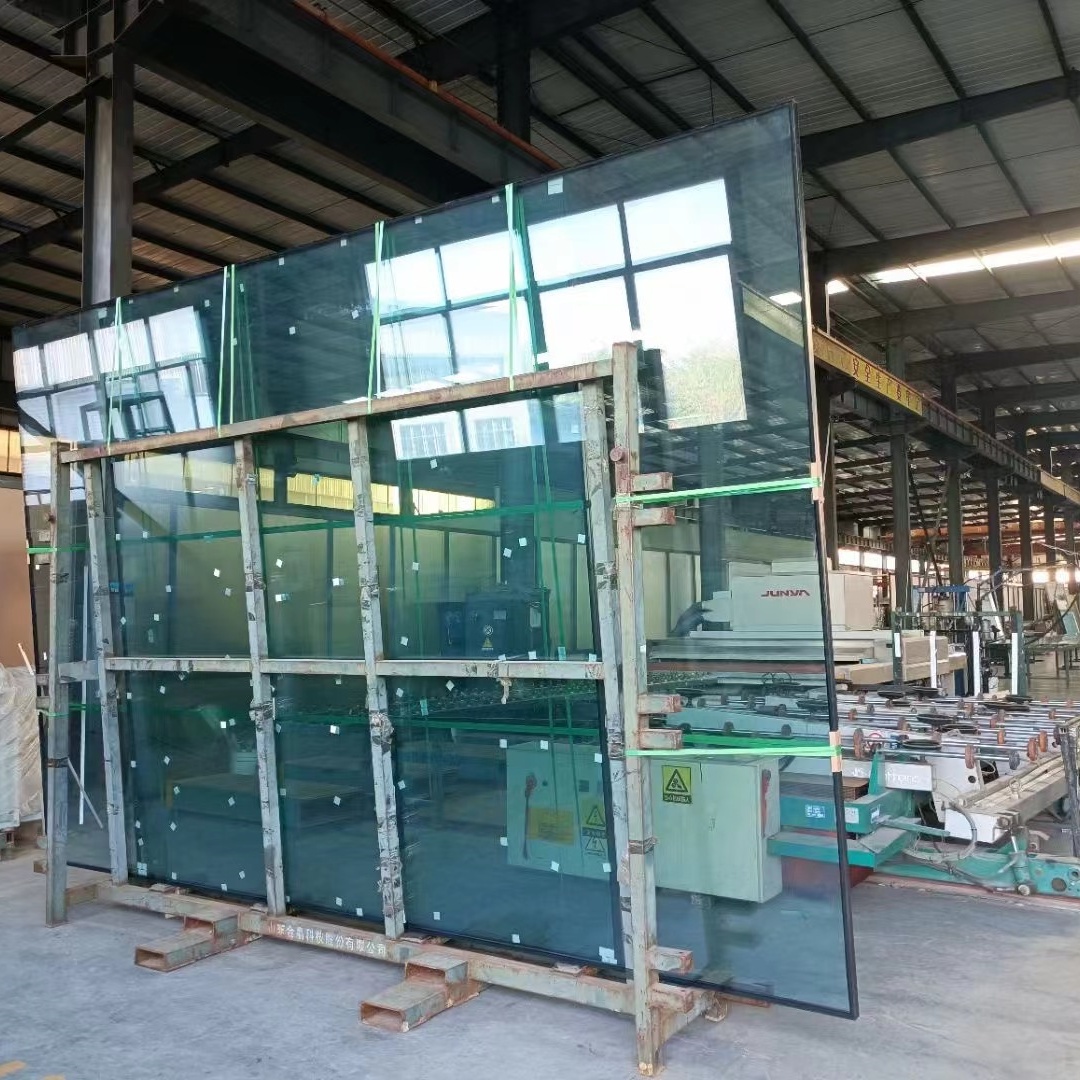
Insulated Glass
Energy‑efficient double or triple glazing designed to reduce heat transfer, improve indoor comfort, and minimize exterior noise.
Specifications
- Service Duration
- 2-4 months
- Service Mode
- Remote + Periodic on-site
- Deliverables
- HR system diagnostic, optimization plan, policy documentation
INSULATED GLASS: Energy-Efficient Double Glazing for Modern Buildings
Product Introduction
Insulated Glass (also called Insulating Glass Unit or IGU) is a high-performance glazing product made by sealing two or more glass panes together with a spacer and forming a dry air or inert-gas-filled cavity between them. This structure significantly improves thermal insulation, sound reduction, and condensation resistance compared with single glazing.
Insulated glass is widely used in curtain walls, windows, doors, skylights, and commercial facades where energy efficiency and indoor comfort are required.
Modern buildings rely on insulated glass systems to reduce HVAC energy consumption while maintaining natural lighting and visibility.
The spacer system typically contains desiccant to absorb moisture, while the perimeter seal ensures long-term structural stability and airtight performance.
Insulated glass units can be manufactured using multiple glass combinations, including tempered glass, laminated glass, Low-E glass, reflective glass, and tinted glass.
Key Features
Thermal Insulation
The sealed cavity reduces heat transfer between indoor and outdoor environments.
Sound Insulation
The air or gas layer helps reduce external noise transmission.
Condensation Resistance
Desiccant-filled spacer systems prevent moisture buildup inside the cavity.
Energy Efficiency
Insulated glass helps reduce heating and cooling costs.
Flexible Configuration
Compatible with Low-E coatings, laminated safety glass, and tempered glass.
Typical Structure
Double glazing example:
Glass + Air/Argon Space + Glass
Optional configuration:
Tempered Glass + Spacer + Laminated Glass
Specifications
Glass thickness: 3mm – 19mm
Spacer thickness: 6A / 9A / 12A / 16A / 19A / 24A
Maximum size: 2500mm × 4000mm
Gas filling: Air / Argon
Sealant: Butyl + Silicone
Spacer type: Aluminum spacer / Warm-edge spacer
Applications
Curtain walls
Windows and doors
Commercial buildings
Residential glazing
Skylights
Office partitions