
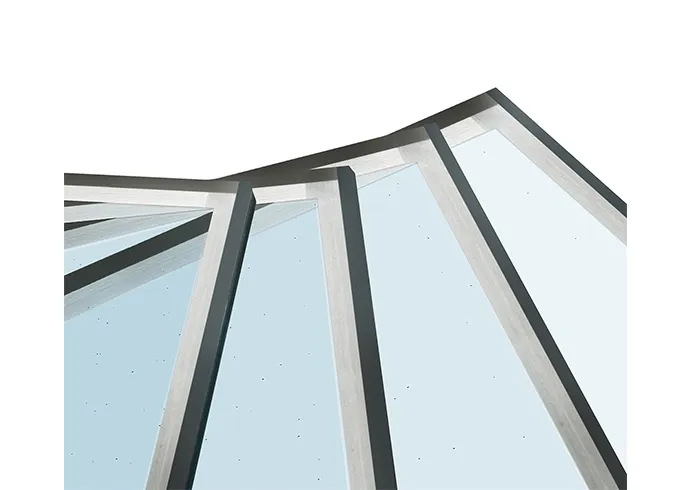
Insulated Glass Units (IGU)
Custom insulated glass units with Low-E coatings, argon gas filling and double or triple glazing for commercial facades, windows and energy-efficient buildings.
Architectural & Performance Glass
Insulated Glass Units (IGU)
Custom double and triple glazing engineered around your project's thermal performance, solar control, daylighting and facade requirements.
Project-based glass sourcing · Custom configurations · International delivery support
Product Overview
Glazing Designed for Thermal Performance
Insulated glass units (IGUs), also known as insulating glass units or double glazing, consist of two or more glass panes separated by a spacer and sealed around a cavity filled with air or an insulating gas.
By combining the appropriate glass panes, Low-E coatings, cavity dimensions and spacer systems, an IGU can help reduce heat transfer and improve indoor comfort. The right configuration depends on the building's climate, orientation, facade design and performance targets.
At a Glance
Glass Structure
Double / Triple Pane
Coating
Low-E / Solar Control
Cavity
Air / Argon / Other Gas
Customization
Project-Specific
Available configurations and production limits are confirmed against drawings and project specifications.
Key Benefits
Why Specify Insulated Glass?
Thermal Insulation
The sealed cavity helps reduce heat transfer compared with single glazing. Low-E coatings and suitable gas fills can further improve thermal performance.
Solar Control
Selected Low-E and solar-control coatings help balance solar heat gain, visible light transmission and facade appearance.
Indoor Comfort
Appropriately specified IGUs can improve interior surface temperatures and help reduce the risk of condensation on the room-side glass surface.
Flexible Glass Design
Combine clear, ultra-clear, tinted, tempered, heat-strengthened or laminated glass as required by safety, visual and performance specifications.
Product Configurations
Custom IGU Structures for Different Project Needs
IGUs are specified as a complete glazing system. The following are common configuration types, not fixed standard products; final glass make-up, coating position and total thickness are subject to design review.
| Configuration | Typical Make-Up | Common Purpose |
|---|---|---|
| Double Glazing | Glass + sealed cavity + glass | Windows, storefronts and facade systems |
| Low-E IGU | Low-E coated lite + sealed cavity + glass lite | Thermal and solar performance targets |
| Argon-Filled IGU | Glass panes + sealed argon-filled cavity | Projects seeking improved cavity insulation |
| Triple Glazing | Three glass panes with two sealed cavities | High-performance envelopes and demanding climates |
| Laminated / Safety IGU | One or more laminated lites integrated into an IGU | Applications requiring fragment retention or specific safety performance |
Note: Tempered, heat-strengthened and laminated glass serve different functions. The appropriate glass type must be selected according to the applicable safety, structural and building-code requirements.
Low-E Technology
Low-E Coatings for Better Energy Performance
Low-emissivity coatings use microscopically thin layers to manage infrared heat transfer while maintaining useful levels of visible light. When incorporated into an IGU, the coating works together with the cavity, gas fill and glass selection to influence the overall thermal and solar performance.
Different coating families provide different balances of light transmission, solar heat gain, reflectance and color. Coating selection should therefore be based on the project's climate, orientation, energy targets and facade appearance—not on the Low-E label alone.
Key Parameters to Review
- U-value: rate of heat transfer through the specified glazing system.
- SHGC / g-value: fraction of incident solar energy admitted through the glazing.
- Visible Light Transmittance (VLT): amount of visible light transmitted.
- Exterior and interior reflectance, coating color and visual uniformity.
- Coating surface position and whether the coating is suitable for heat treatment.
- Required safety glass, edge conditions and compatibility with the glazing system.
Components & Customization
Build the IGU Around Your Specification
Glass Types
Clear, ultra-clear, tinted, Low-E coated, solar-control, tempered, heat-strengthened or laminated glass, subject to the required make-up and processing compatibility.
Spacer & Cavity
Specify cavity width and available spacer systems, including aluminum or warm-edge options. The choice affects thermal performance, edge temperatures and condensation behavior.
Gas Filling
Air or inert gas such as argon can be selected according to the project specification. Gas type and fill requirements should be confirmed with the manufacturer.
Sealing System
Primary and secondary sealants are selected for the unit design and application. Sealant compatibility with coatings, structural silicone and adjacent materials should be verified.
Safety & Acoustics
Laminated or specially selected glass combinations can be incorporated when safety or acoustic performance is required. Acoustic ratings depend on the complete assembly and test conditions.
Shape & Processing
Custom dimensions, selected edgework and certain shaped or curved configurations may be available following review of production capability and drawings.
Applications
IGU Solutions Across Building Types
Curtain Walls & Facades
Thermal and solar-control glazing for commercial buildings, offices, hotels and high-rise developments.
Windows & Doors
Double or triple glazing designed around window-system requirements, local climate and energy targets.
Residential Developments
Glazing options for apartments, houses and multi-unit residential projects seeking improved indoor comfort.
High-Performance Buildings
Custom glazing make-ups supporting project-specific energy, daylight and facade performance objectives.
Quality & Standards
Depending on the destination market and project specification, IGU performance and durability may be evaluated against standards such as ASTM E2190, EN 1279 or AS/NZS 4666. Safety glass components may also need to comply with separate applicable standards.
Certification, test reports and compliance documents are subject to the selected manufacturer, product configuration and order scope. Please confirm the required standard and documentation before production. A standard reference alone does not mean every configuration is automatically certified.
Working with True Glass
Project-Based Sourcing, from Specification to Delivery
True Glass supports architectural glass projects by coordinating product selection, manufacturer matching, specification review and export arrangements. Rather than treating every order as a standard product, we review the required glass make-up and project constraints before confirming the quotation.
01 / REVIEW
Specification Review
Review drawings, glass make-up, dimensions, coating and performance targets.
02 / MATCH
Manufacturing Match
Identify suitable production options based on configuration, size and documentation needs.
03 / VERIFY
Technical Coordination
Coordinate open technical points and confirm the approved specification before production.
04 / DELIVER
Export & Delivery
Coordinate packaging, shipping documentation and delivery arrangements for the order.
Frequently Asked Questions
What is an insulated glass unit (IGU)?
An IGU consists of two or more panes of glass separated by a spacer and sealed around an air- or gas-filled cavity. It is designed to improve thermal performance compared with single glazing.
What is the difference between Low-E glass and an IGU?
Low-E describes a coating that manages heat transfer. An IGU is a complete sealed glazing assembly. Low-E glass can be used as one of the panes within an IGU to help achieve the desired thermal and solar performance.
Is argon gas necessary for every IGU?
No. Air-filled units are also used. Argon can improve cavity thermal performance under suitable conditions, but the benefit depends on cavity width, glass make-up, gas concentration and the overall glazing design.
Can laminated or tempered glass be used in an IGU?
Yes, where the selected components and processing are compatible. The glass type for each lite should be specified according to safety, structural, acoustic and code requirements.
What information is needed for a quotation?
Please provide the glass make-up, overall thickness, dimensions, quantity, Low-E or solar-control requirements, gas fill, spacer preference, applicable standards, delivery destination and any available drawings or performance targets.
Tell Us About Your Project
Looking for the Right IGU Configuration?
Share your drawings, specifications or performance targets. Our team can help coordinate a suitable glass configuration and project quotation.