
Processed Glass
Laminated Glass
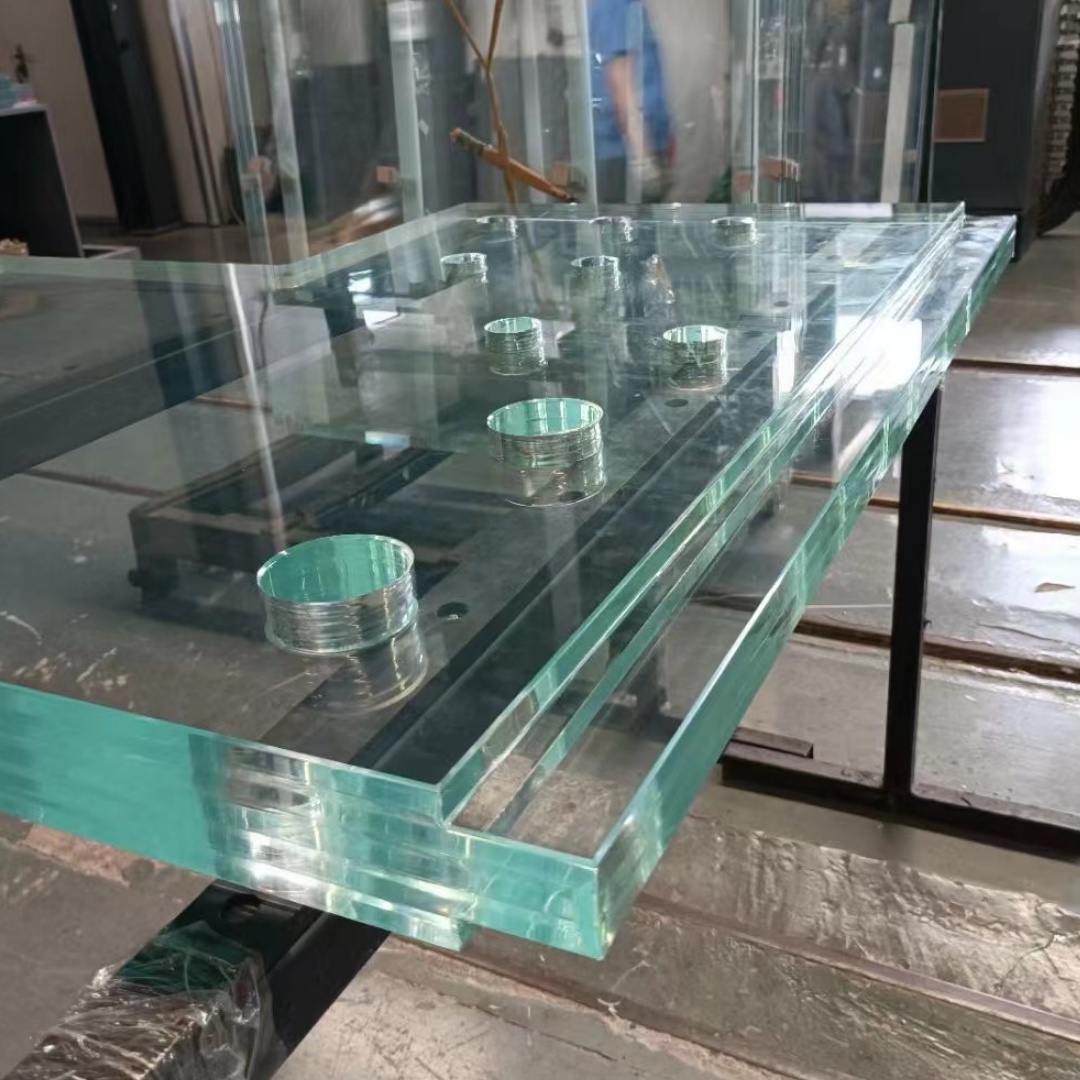
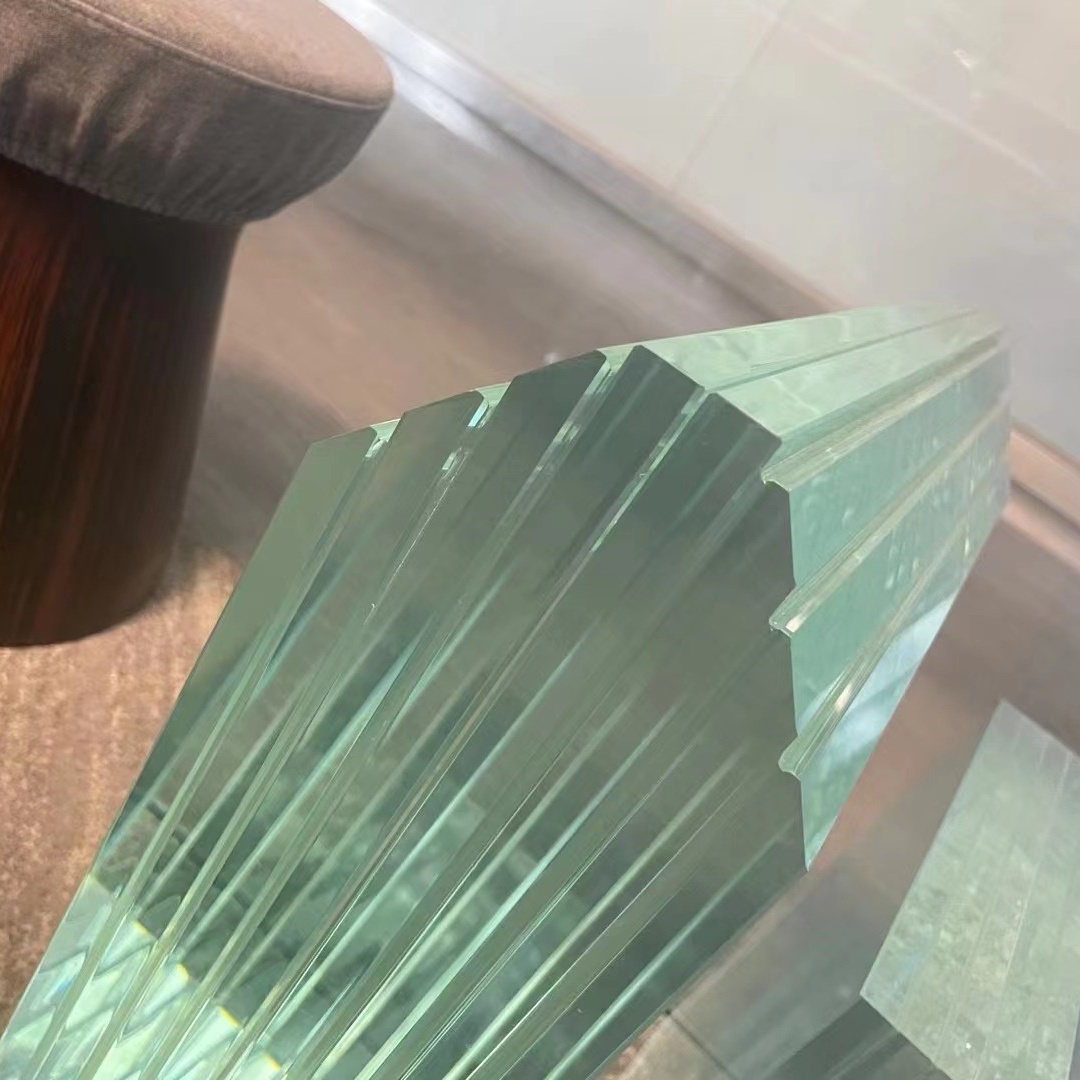
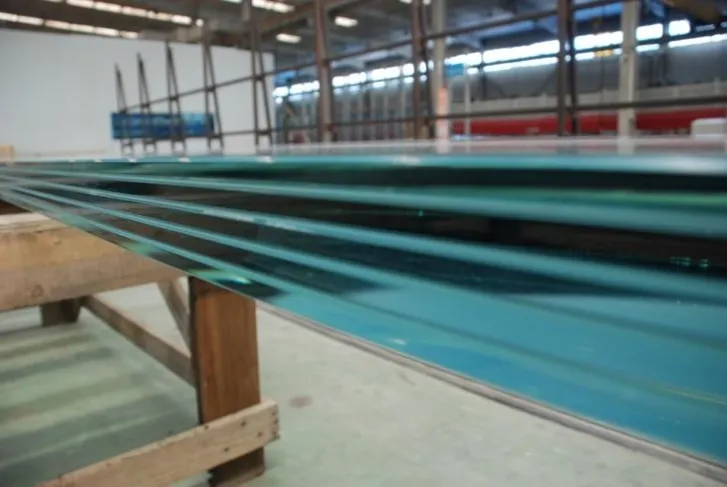
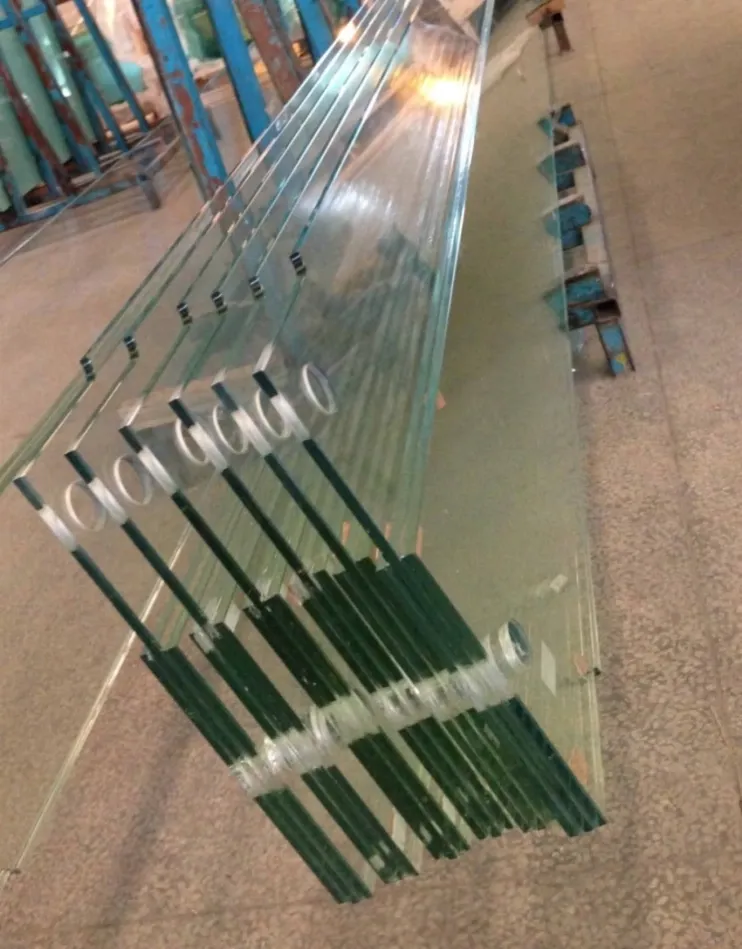
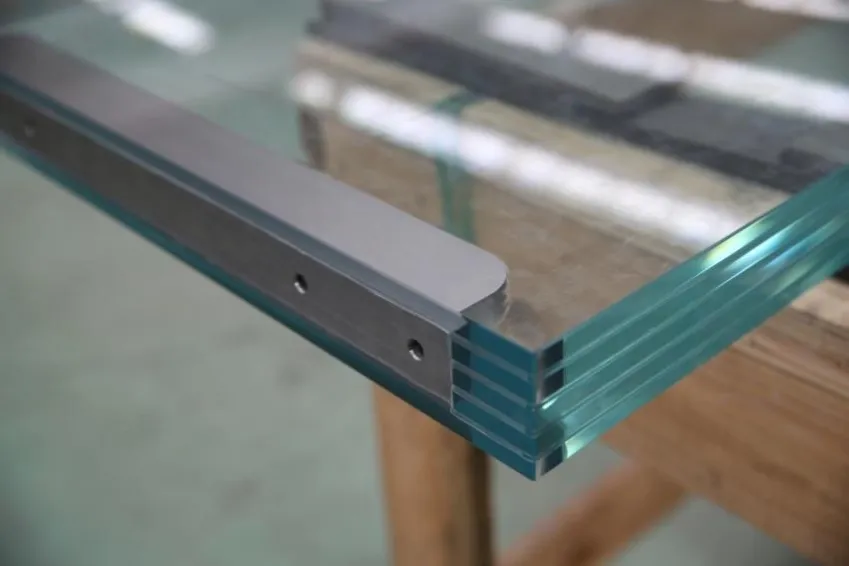
Laminated glass bonds two or more glass panes with a PVB/SGP/EVA/PU/SGX/PET interlayer under heat and pressure, holding the assembly together on impact instead of allowing it to fall away. Configurable in glass type, thickness, and interlayer to target safety, security, acoustic, or UV-control performance.
Specifications
- Standard Thickness
- 6.38mm+15mm+
- Max Size
- 3300 × 18000mm
- Free Sample(12'')
- 7days
Key Features
Holds together on impact rather than falling apart, blocks over 99% of UV transmission, reduces sound transmission versus monolithic glass, and can be built from tempered, heat-strengthened, or annealed lites depending on the performance target.
Where This Glass Is Used
Structural glazing, balustrades, overhead glazing, security applications, skylights, and any application where post-breakage retention is required by code.
Manufacturing Process
- Interlayer bonding — PVB/SGP/EVA/PU/SGX/PET film is placed between glass lites and bonded under heat (approx. 140°C) and pressure in an autoclave, fusing the assembly into one unit.
- Interlayer selection — PVB offers standard safety/acoustic performance; SGP interlayers offer significantly higher post-breakage structural strength for overhead and structural applications.
- Multi-ply configurations — Additional glass and interlayer plies can be added for higher security or ballistic ratings.
- Edge sealing — Edges are sealed to prevent moisture ingress into the interlayer over the glass's service life.
Applications & Use Cases
- Overhead & Skylight Glazing — Required by most codes where broken glass could otherwise fall on occupants below.
- Structural Glazing & Glass Floors — SGP-interlayer laminated glass provides the residual strength needed for load-bearing transparent structures.
- Balustrades & Railings — Standard for frameless glass railings, holding together if a lite is compromised.
- Acoustic-Sensitive Facades — Reduces noise transmission for buildings near airports, highways, or rail lines.
- Security & Storefront Glazing — Multi-ply configurations resist forced entry better than monolithic glass.
Standard Sizes & Specifications
Configuration | Nominal Thickness | Max Size | Interlayer |
|---|---|---|---|
2 lites, standard | 6.38mm (3+0.38+3) | 2440 × 3660mm | 0.38mm PVB |
2 lites, standard | 8.76mm (4+0.76+4) | 2440 × 3660mm | 0.76mm PVB |
2 lites, structural | 10–13mm | 3300 × 6000mm | 1.52mm SGP |
3+ ply security | 15mm+ | Project-specific | Multi-ply PVB/SGP |
Technical Service
We support your project from drawing review to delivery, not just order fulfillment.
- Drawing & Spec Review — Shop drawings and project specs are reviewed before production to confirm sizes, tolerances, and edge/hole details match your requirements.
- Testing & Documentation — Mill test certificates, thickness/strength test reports, and compliance documentation provided for project submittals.
- Technical Consultation — Our team advises on coating, thickness, and configuration selection to meet your project's structural and energy code requirements.
Customization
- Custom Cut Sizes & Shapes — Curved, notched, cut-corner, and irregular shapes fabricated to your CAD drawings, not limited to standard rectangles.
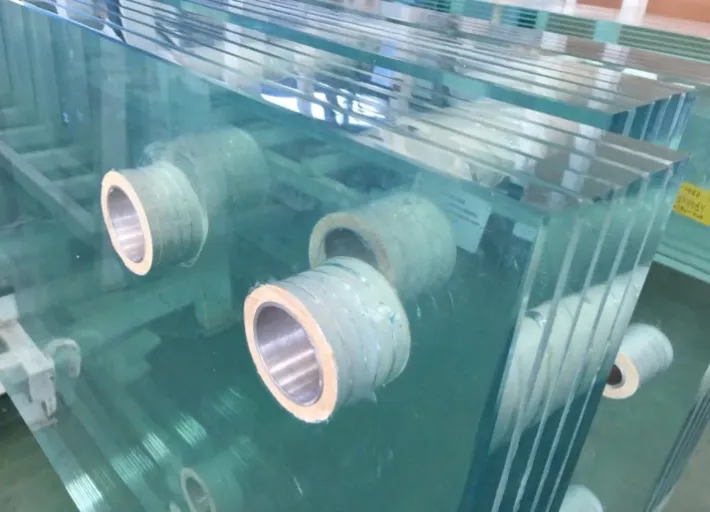
- Edgework & Drilling — Polished, beveled, or seamed edges, plus precision hole drilling and cutouts for hardware and fittings.
- Coating & Printing Options — Combine with Low-E coating, tinting, or ceramic silkscreen/digital printing on the same order.
Packaging & Shipping
- Export-Grade Crating — Reinforced wooden A-frame or flat crates with edge protection, built for ocean freight handling.
- Container Loading — Load plans optimize container utilization while maintaining safe glass spacing to prevent transit damage.
- Shipping Documentation — Packing lists, certificates of origin, and mill certificates prepared in advance for smooth customs clearance.
- Lead Time — 7days in 12'' sample; 15days in mock up sample; 35days in project order.