Low-E Glass
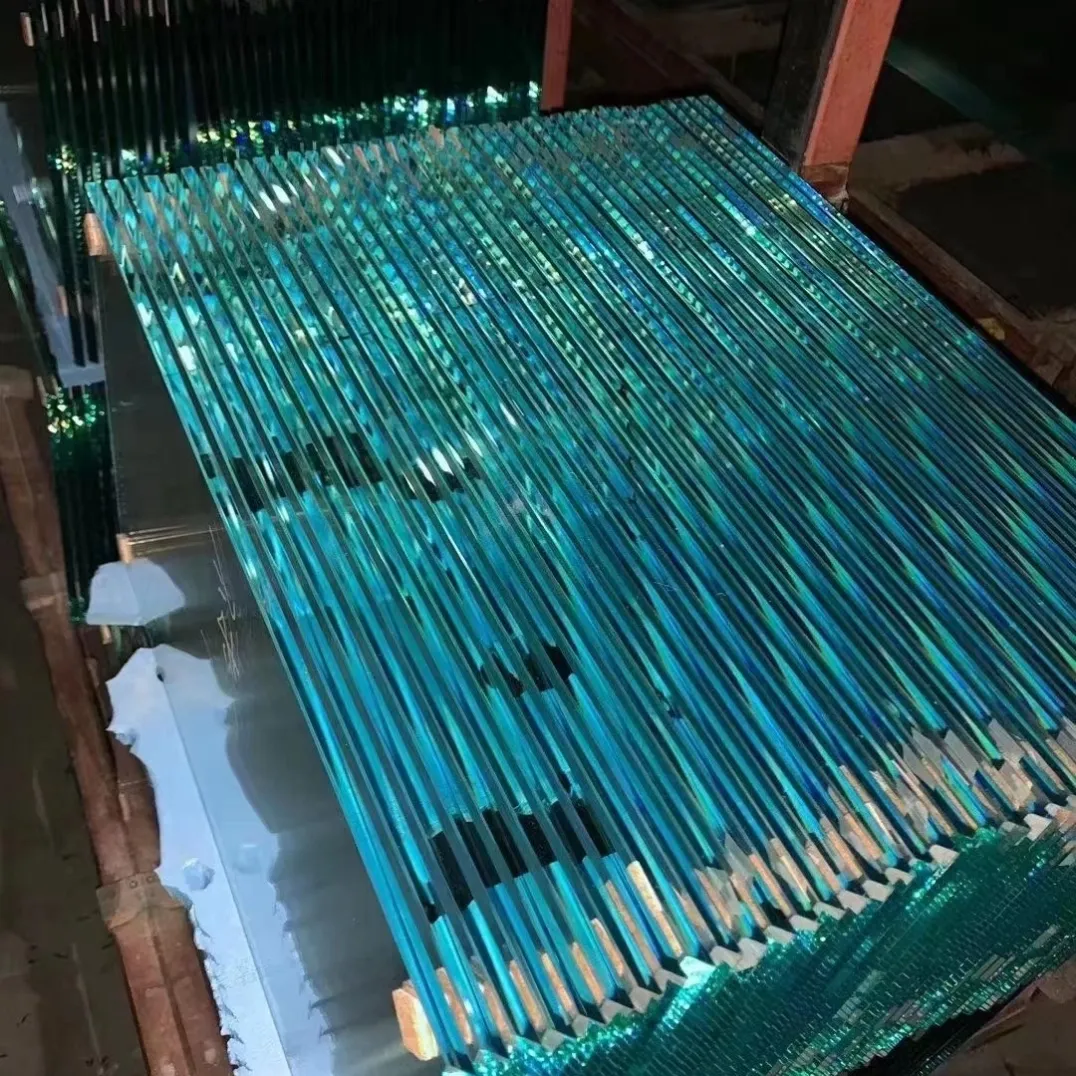
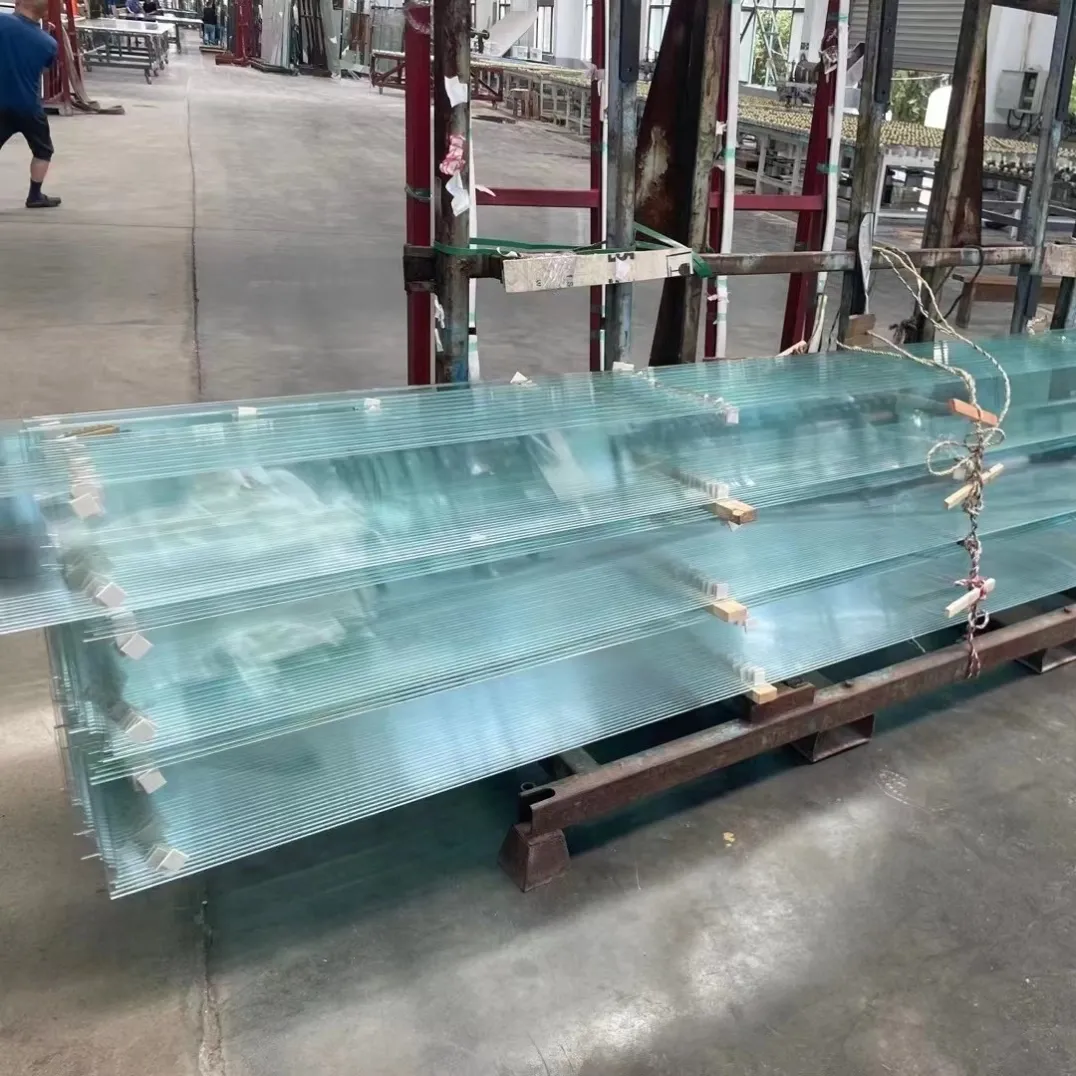
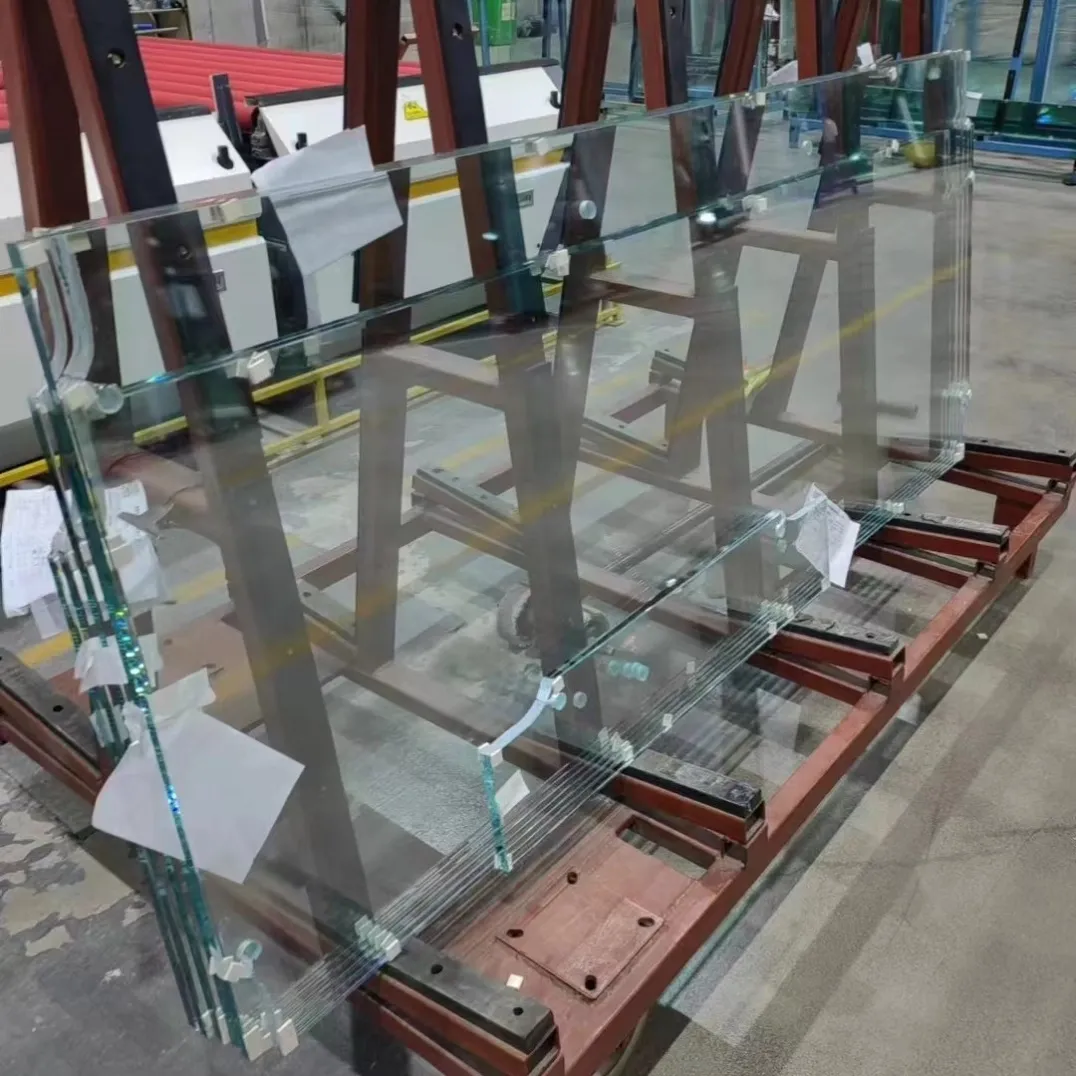
Low-emissivity (Low-E) glass features a specialised coating designed to manage heat transfer while maintaining light transfer. A must-have in modern construction, it is especially designed for doors, windows, etc.
Specifications
- Standard Thickness
- 3mm – 12mm
- Max Size
- 3300 × 6000mm (jumbo available on request)
- Free Sample(12'')
- 7 days
Energy-Efficient Architectural Glass
Low-E Glass
Low-emissivity (Low-E) glass features a specialised coating designed to manage heat transfer while maintaining natural daylight. With different coating technologies and performance options, Low-E glass can be specified for thermal insulation, solar control and architectural appearance.
What Is Low-E Glass?
Low-E glass is glass with a low-emissivity coating made from extremely thin layers of metallic or metal-oxide materials. The coating is designed to reflect long-wave infrared radiation, helping reduce radiative heat transfer through the glazing.
Depending on the coating design, Low-E glass can help retain indoor heat in cold weather, limit solar heat gain in warm climates, or balance daylight with solar and thermal performance. The right specification depends on the building location, facade orientation, glazing configuration and energy-performance targets.
Low-E glass is widely used in residential and commercial windows, curtain walls, skylights and insulating glass units (IGUs). Its final thermal and solar performance depends on the complete glazing assembly, not just the coating alone.
Key Benefits of Low-E Glass
Improved Thermal Performance
Helps reduce radiative heat transfer through glazing and can improve the thermal performance of a suitable window or IGU system.
Solar Heat Control
Selected solar-control Low-E coatings reduce the amount of solar energy entering a building while maintaining a project-appropriate level of daylight.
Natural Daylight
A wide range of coating options allows designers to balance visible light transmission, reflectance, colour and solar performance.
Design Flexibility
Available in different coating technologies and performance levels for suitable facade, window and insulating glass configurations.
Soft-Coat vs. Hard-Coat Low-E Glass
Low-E coatings are commonly classified by their manufacturing process. Soft-coat Low-E is typically produced by magnetron sputtering in a vacuum coating line, while hard-coat Low-E is generally applied through a pyrolytic process during float glass production.
| Feature | Soft-Coat Low-E | Hard-Coat Low-E |
|---|---|---|
| Coating process | Magnetron sputtering in a vacuum coating line | Pyrolytic coating applied during float glass production |
| Coating structure | Typically a multilayer coating system | Typically a more durable coating bonded to the glass surface |
| Performance options | Broad selection of thermal and solar-control performance levels | Options depend on the available product range |
| Processing considerations | Often requires edge deletion and processing controls; commonly protected within an IGU | Generally more durable during handling, but processing suitability must still be confirmed |
| Typical applications | High-performance insulating glass units | Selected windows, facades and other applications permitted by the product specification |
The table describes general industry tendencies. Whether a particular product can be used monolithically, tempered, laminated, bent or incorporated into an IGU must be confirmed against its technical data and processing instructions.
Single, Double and Triple-Silver Low-E Glass
Silver-based soft-coat Low-E products are often described by the number of silver functional layers in the coating system. Increasing the number of silver layers can enable greater control over solar energy transmission and visible light, but the best choice depends on the required balance of properties.
Single-Silver Low-E
A practical option for projects seeking a balance of thermal insulation, daylight and solar performance within a selected product range.
Double-Silver Low-E
Offers additional flexibility in managing solar energy and visible light, depending on the specific coating design and glazing configuration.
Triple-Silver Low-E
Often selected for high-performance solar-control applications where a favourable balance of daylight transmission and solar energy management is required.
Silver-layer count alone does not determine the final performance. Compare the certified optical and thermal data for the proposed glass build-up before selecting a product.
Understanding Low-E Glass Performance
U-Value
U-value measures heat transfer through a glazing system. A lower U-value generally indicates better thermal insulation. Make sure to compare values calculated using the same method and for comparable glass configurations.
Solar Heat Gain Coefficient (SHGC)
SHGC represents the fraction of incident solar energy that enters through the glazing, including directly transmitted energy and absorbed energy re-radiated inward. A lower SHGC generally means less solar heat gain.
Visible Light Transmittance (VLT)
VLT measures the proportion of visible light transmitted through the glazing. A higher VLT generally means more daylight enters the space, but the best value depends on the facade design and solar-control targets.
Applications of Low-E Glass
Curtain Walls & Building Facades
Supports the thermal, solar-control and aesthetic requirements of commercial buildings and glazed envelopes.
Residential & Commercial Windows
Helps improve the energy performance of suitable window systems while maintaining natural daylight.
Skylights & Overhead Glazing
Can be incorporated into suitable overhead glazing systems with appropriate thermal, solar-control and safety specifications.
Insulating Glass Units
Commonly used in double or triple glazing to combine coating performance with insulating cavities and other system components.
Specifications & Custom Options
Low-E glass can be selected in different coating designs, glass substrates and finished configurations. Available options depend on the coating series, processing facility and intended application.
- Coating type: Soft-coat or hard-coat Low-E, subject to product availability.
- Silver configuration: Single-, double- or triple-silver options where available.
- Glass substrate: Clear, low-iron or tinted glass, subject to compatibility.
- Finished configuration: Suitable monolithic, tempered, laminated, curved or insulating glass options, as confirmed for the selected coating.
- Optical and thermal targets: VLT, exterior and interior reflectance, U-value and SHGC.
- Processing details: Coating surface, edge deletion, heat treatment, lamination and unit assembly requirements.
Exact specifications, coating surface orientation, maximum dimensions, processing feasibility and lead times should be confirmed against the project drawings and selected product data.
Project-Based Low-E Glass Sourcing
Selecting Low-E glass involves more than choosing a coating name. Climate, facade orientation, daylight requirements, solar exposure, glass build-up and local energy codes all influence the right specification.
Specification Review
Review glass schedules, performance targets and project conditions to clarify the required coating and glass configuration.
Performance Coordination
Coordinate available product data and compare VLT, reflectance, U-value and SHGC for relevant glass assemblies.
Processing & Delivery
Coordinate confirmed processing requirements, documentation, packing and shipment planning for project orders.
Frequently Asked Questions
Does Low-E glass always need to be used in an IGU?
Many soft-coat Low-E products are designed to be protected within an insulating glass unit. Some hard-coat products may be suitable for monolithic use. Always confirm the specific product's permitted applications and processing requirements.
Is triple-silver Low-E always the best option?
Not necessarily. Triple-silver coatings can provide high levels of solar-control performance, but the best choice depends on daylight, SHGC, U-value, appearance, climate and project requirements. Compare the actual performance data rather than silver-layer count alone.
Can Low-E glass be tempered or laminated?
Some Low-E products can be heat-treated or laminated, while others have specific restrictions. The coating series and processing instructions must be checked before fabrication.
What is the difference between U-value and SHGC?
U-value measures heat transfer caused by temperature differences across the glazing, while SHGC measures how much solar energy enters through the glazing. Both are important, but they describe different aspects of performance.
What information is needed for a Low-E glass quotation?
Please share the glass dimensions, thickness, quantity, coating or product reference, intended glass build-up, target performance values, destination and applicable standards. Drawings and the glass schedule help confirm feasibility.
Looking for Low-E Glass for Your Project?
Send us your glass schedule, drawings and performance targets. We can help coordinate suitable Low-E options and review the relevant product data for your architectural glazing project.
Email: sales@true-glass.com | WhatsApp: +86 132 4273 2769