
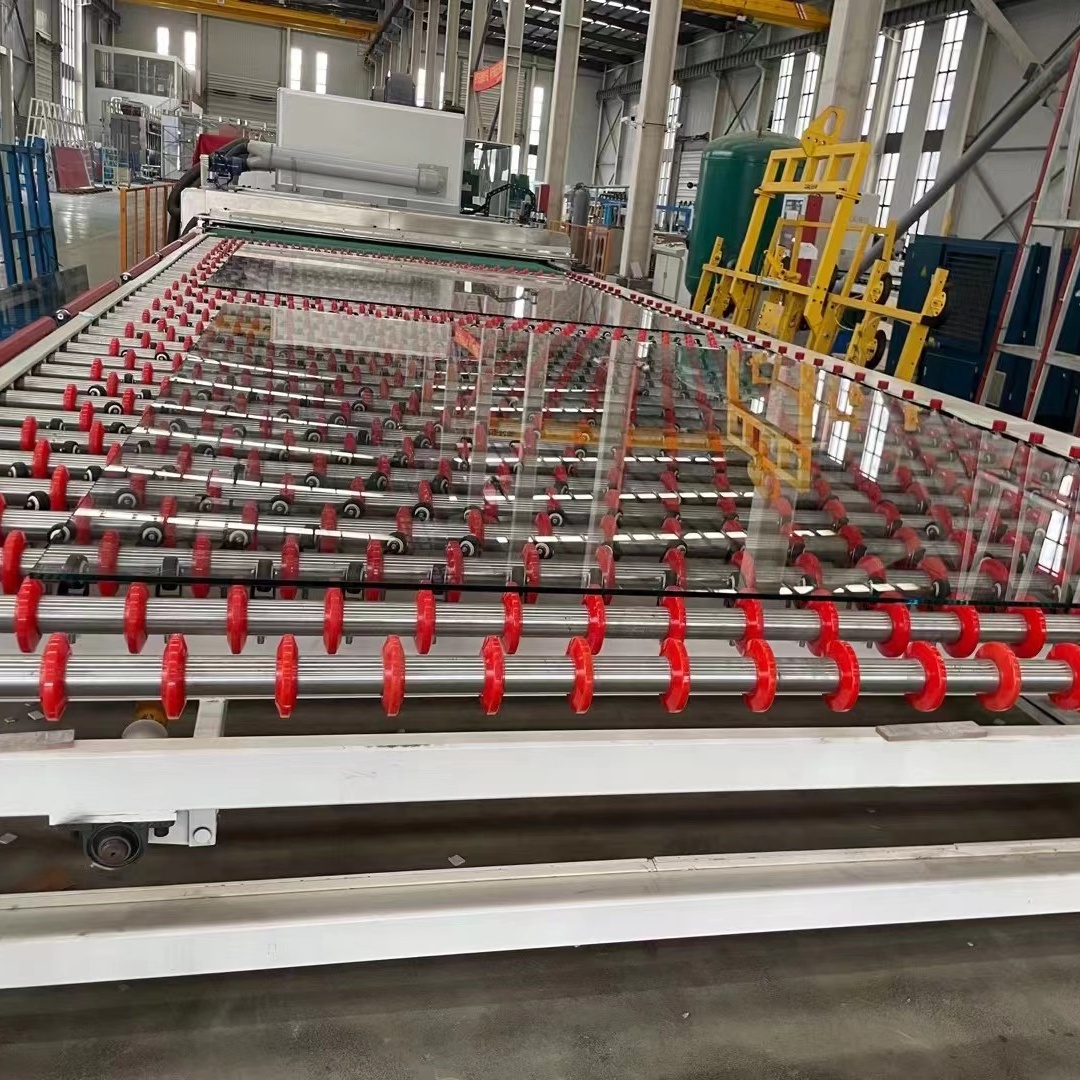
REFLECTIVE GLASS
Solar Control Reflective Glass for Energy‑Efficient Architecture
REFLECTIVE GLASS
Solar Control Reflective Glass for Energy‑Efficient Architecture
Reflective glass, also known as solar control glass or mirrored glazing, is a high‑performance architectural glass designed to control solar heat gain, reduce glare, and enhance energy efficiency. By applying advanced metallic or oxide coatings to one or more surfaces, reflective glass manages the transmission and reflection of solar radiation while maintaining natural daylight.
This makes reflective glass a preferred choice for commercial façades, curtain walls, high‑rise buildings, office towers and modern architectural projects where comfort, sustainability and aesthetics are key priorities.
Product Introduction
Reflective glass features a thin optical coating that reflects a portion of the visible and infrared spectrum while allowing controlled light transmission. In doing so, it reduces solar heat entering the building, minimizes interior glare, and contributes to a more comfortable indoor environment with lower cooling loads.
Depending on project requirements, reflective glass can be manufactured as single glazing, tempered, laminated, or insulated glass units (IGUs). It is available with different coating types and finishes including anodized, neutral reflectivity, high reflectivity, and custom color options for design flexibility.
Reflective glass is widely used in combination with Low‑E coatings and insulated glass systems to provide enhanced thermal performance and solar control without compromising appearance or daylight access.
Key Features
Solar Heat Control
Reflective coatings reflect significant portions of solar infrared radiation, reducing heat gain.
Glare Reduction
Manages bright outdoor light to improve occupant comfort and visual performance.
Daylight Transmission
Maintains balanced natural light while controlling unwanted solar effects.
Energy Efficiency
Reduces air‑conditioning loads and supports sustainable building design.
Design Aesthetics
Available in different reflective colors and finishes for architectural expression.
Compatibility with Safety Glass Types
Can be tempered, laminated or used in insulated glass units for performance and safety.
Typical Specifications
Glass Base Material: Clear float glass, low iron glass
Thickness Range: 3mm – 19mm (custom options)
Panel Size: Custom dimensions available
Coating Options: Low reflectivity, medium reflectivity, high reflectivity, neutral tones, tinted reflective coatings
Safety Configurations: Tempered reflective glass, laminated reflective glass, insulated reflective glass
Reflective glass can also be combined with decorative printing, patterned surfaces, or integrated into multi‑functional glazing assemblies for advanced performance.
Applications
Reflective glass is widely incorporated across architectural and building applications:
- Curtain Walls and Façades – Solar control and visual identity for building exteriors
- Office Towers and Commercial Buildings – Minimized glare and comfortable internal environments
- Retail Storefronts – Controlled light transmission with performance benefits
- Insulated Window Systems – Thermal performance combined with solar management
- Skylights and Canopies – Glare control for overhead glazing
- Mixed‑Use Developments – Aesthetic and energy‑efficient façade solutions
Because of its performance and visual qualities, reflective glass is a common solution in sustainable, high‑performance building envelopes.