
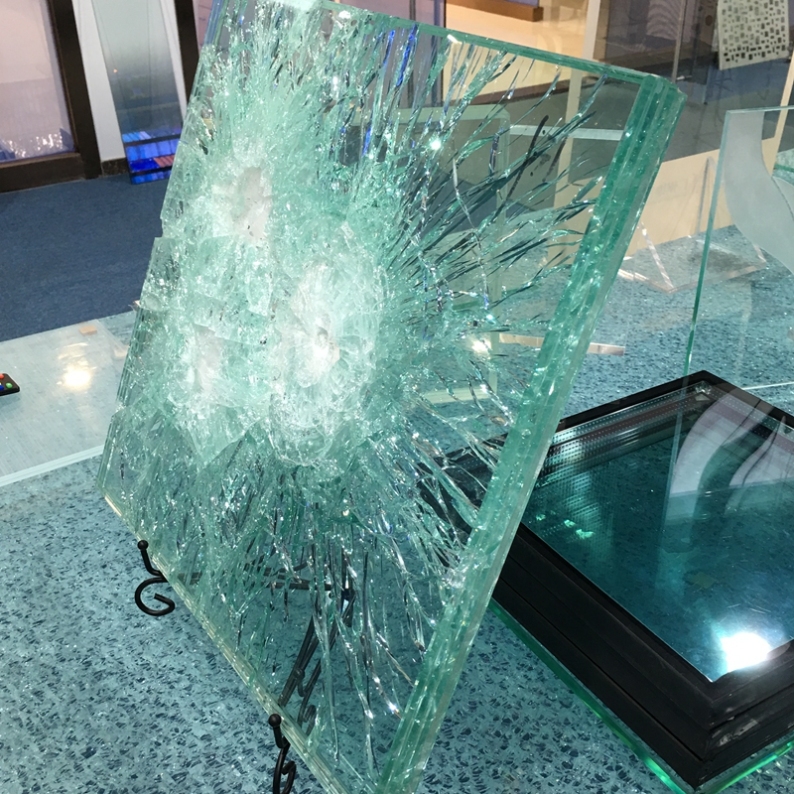
Security Glass
Explore custom security glass for forced-entry, burglary, ballistic and blast-resistant applications. Coordinate laminated glass configurations, testing requirements and project specifications.
Safety & Security Glass Solutions
Security Glass for High-Protection Architectural Projects
Security glass is engineered to help resist specific threats such as forced entry, burglary attempts, ballistic impact, or blast pressure. Through project-specific laminated constructions and carefully selected glass and interlayer combinations, True Glass helps coordinate glazing options around the protection level, architectural design, and performance requirements of your project.
Discuss Your Security Glass ProjectWhat Is Security Glass?
Security glass is a category of specially designed glazing intended to resist defined forms of intentional attack or reduce the consequences of a security incident. Unlike standard safety glazing, which primarily addresses accidental human impact and injury risk, security glazing is specified according to the threat it is expected to resist.
Depending on the required protection level, a security glass assembly may use multiple glass plies, specialized interlayers, polycarbonate or other polymer layers. The number and type of layers, overall thickness, edge construction, and compatible framing system all influence the performance of the complete installation.
Security glass is not a single universal product. Glazing designed to delay forced entry is not automatically bullet-resistant or blast-resistant. The required threat level and the applicable test standard should be established before a product configuration is selected.
Important: Security performance must be supported by appropriate product or system test evidence. The glass make-up alone does not establish the rating of the complete window, door, facade, frame, or anchoring system.
Security Glass Solutions by Protection Requirement
The right glazing solution starts with the threat to be addressed. The categories below cover common security-glazing requirements; the actual build-up and test criteria must be confirmed for each project.
OPTION 01
Burglary-Resistant Glass
Designed to resist or delay break-in attempts involving impacts from common hand tools. The required resistance level, attack method, and test criteria should be specified for the intended application.
OPTION 02
Forced-Entry Resistant Glass
Specified to resist defined forced-entry attacks and delay penetration through glazing. The product and, where required, the complete fenestration system must be evaluated against the applicable test method.
OPTION 03
Bullet-Resistant Glass
Uses specialized multi-layer glazing to resist specified ballistic threats. Performance depends on the tested protection level, projectile and ammunition criteria, glass construction, and any required spall or fragment protection.
OPTION 04
Blast-Resistant Glazing
Engineered for specified blast loads and the associated glazing response. The design must consider the complete assembly, including glass, interlayers, framing, anchorage, and the relevant blast design criteria.
These categories are not interchangeable. A rating or test result for one threat should not be assumed to demonstrate performance against another.
Security Glass Construction
Security glazing is commonly based on laminated construction, with additional glass or polymer layers introduced where the specified performance requires them. The suitable make-up depends on the intended threat, optical requirements, panel dimensions, weight limits, and the tested system.
Multi-Ply Laminated Glass
Multiple glass plies and interlayers are combined to improve resistance to penetration and help retain fragments, depending on the designed and tested assembly.
Glass-Clad Polycarbonate
Selected systems combine glass with polycarbonate layers to address specific impact or ballistic requirements. Surface durability, thickness, weight, and cleaning considerations should be reviewed.
Project-Specific Assemblies
Specialized interlayers, additional plies, and other materials may be required to achieve the target performance. The final build-up must correspond to the applicable test evidence.
Applications of Security Glass
Luxury Retail and Flagship Stores
Shopfronts, display windows, and high-value retail environments where security needs to be balanced with transparency and brand presentation.
Banks and Financial Facilities
Transaction glazing, secure counters, and other locations requiring a specified level of forced-entry or ballistic resistance.
Government and Public Buildings
Selected government facilities, embassies, and security-sensitive buildings where the project risk assessment defines enhanced glazing protection.
High-Risk Perimeters
Projects requiring evaluation of blast loads or other specified threats as part of a wider facade and building-protection strategy.
Testing Standards and Protection Levels
Security glazing should be selected according to the project's applicable standards and the actual threat level. Different standards evaluate different types of attack, and their classifications should not be treated as directly interchangeable.
| Requirement | Example Standard / Method | What to Confirm |
|---|---|---|
| Burglary / impact resistance | EN 356 or other project-specified methods | Required classification, test conditions, and tested product construction. |
| Forced-entry resistance | ASTM F1233 or other applicable system tests | Attack method, duration or resistance criteria, and whether the frame and complete assembly are covered. |
| Ballistic resistance | UL 752 or another specified ballistic standard | Required level, test ammunition, shot pattern, and fragment or spall requirements. |
| Blast resistance | ASTM F1642, ASTM F2248, GSA criteria, or other project-defined methods as applicable | Design blast load, glazing response criteria, framing and anchorage, and the applicable test or engineering evidence. |
The standards above are examples only, not a statement that every product offered by True Glass has been tested or certified to each standard. Confirm the exact edition, classification, scope, and supporting reports required for your project.
Project-Based Sourcing and Technical Coordination
Security glazing often requires coordination between the glass specification, the tested protection level, the frame system, and installation details. True Glass supports project teams by coordinating suitable sourcing and processing options against the information available, helping identify technical points that need confirmation before production.
Drawing and Specification Review
Review dimensions, glass make-up, required protection level, optical needs, and project submittal requirements.
Configuration Coordination
Coordinate potential multi-ply laminated or glass-clad polymer configurations subject to the target rating and available verified products.
Documentation Review
Help coordinate available product data and test reports for review against the project specification.
Export Order Coordination
Coordinate production planning, export packaging, shipment arrangements, and project delivery requirements.
Information Needed for a Security Glass Quote
To evaluate the appropriate supply options, please provide as much of the following information as is available:
- Project location, building type, and intended application.
- The threat or hazard to be addressed: burglary, forced entry, ballistic impact, blast pressure, or another defined requirement.
- Required standard, protection level, test method, and supporting documentation.
- Glass dimensions, thickness constraints, quantities, and required delivery schedule.
- Optical requirements, including clarity, tint, visible light transmission, or other appearance targets.
- Frame, fixing, anchoring, and installation details, where available.
- Any project-specific requirements for samples, mock-ups, or submittals.
If the protection level has not yet been determined, the project security consultant or design team should define the target threat and acceptance criteria before a final glass configuration is specified.
Frequently Asked Questions
What is the difference between safety glass and security glass?
Safety glazing is primarily intended to reduce injury risk from accidental impact and glass breakage. Security glazing is designed for specified intentional threats, such as forced entry or ballistic impact. Some products can address more than one requirement, but the relevant performance must be verified separately.
Is laminated glass automatically security glass?
No. Standard laminated glass can help retain fragments after breakage, but it is not automatically rated for forced-entry, ballistic, or blast resistance. Security performance depends on the complete construction and applicable test evidence.
Can security glass be used in storefronts?
Yes, selected security glazing may be specified for retail storefronts, display windows, and high-value commercial premises. The appropriate product depends on the intended threat, required appearance, panel dimensions, and compatible framing system.
Can security glass be bullet-resistant and forced-entry resistant at the same time?
Some systems are designed and tested for multiple threats. However, one rating should not be assumed to cover another. Confirm that the exact product and complete assembly have evidence for every required performance category.
Does the frame need to be security-rated too?
For many applications, the frame, anchors, fixings, and installation method are critical to system performance. Where the project requires a rated assembly, these components should be compatible with the tested or engineered system.
What should I send for a quotation?
Please share the project location, application, required threat level or standard, dimensions, quantities, optical requirements, and available frame details. Existing specifications and test requirements are especially helpful for reviewing feasible options.
Tell Us About Your Project
Looking for Security Glass for a High-Protection Application?
Share your drawings, target protection level, applicable test standard, and project requirements. True Glass can help review potential sourcing options and coordinate the glazing details that need confirmation.
Request a Project ReviewEmail: sales@true-glass.com