
Processed Glass
Tempered / Toughened Glass
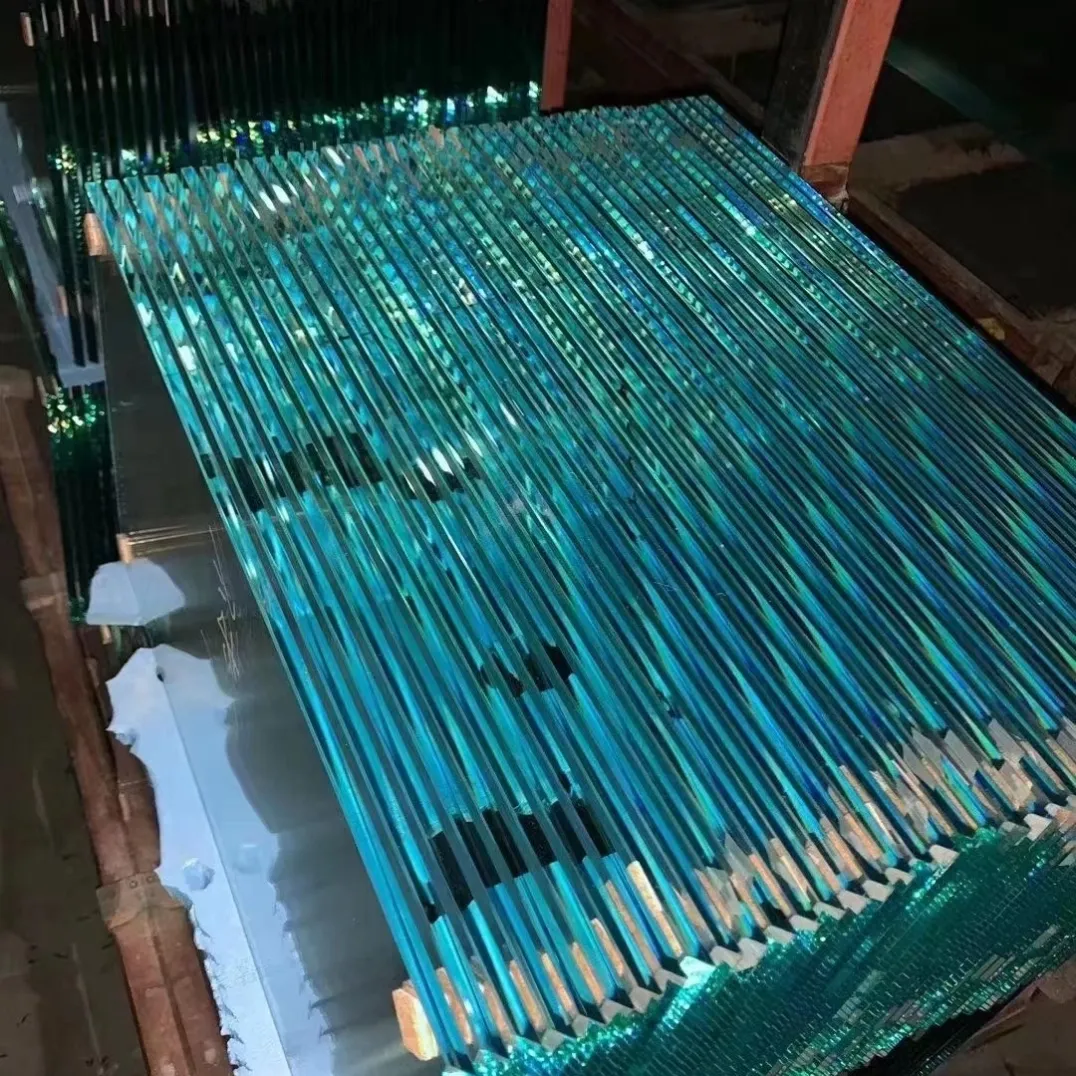
Tempered (toughened) glass is heat-strengthened float glass, custom cut and shaped from 3mm to 19mm to match your project drawings rather than limited to standard stock sizes. Available in clear, ultra-clear, and tinted glass, and compatible with Low-E coating, printing, and lamination on the same order.
Specifications
- Standard Thickness
- 3mm – 19mm
- Max Size
- 3300 × 6000mm (jumbo available on request)
- Free Sample(12'')
- 7days
Key Features
3–5x the mechanical strength of annealed glass, breaks into small, blunt granules on impact instead of sharp shards, and resists thermal shock from rapid temperature swings — meeting international safety glazing requirements for structural and code-driven applications.
Where This Glass Is Used
Specified wherever safety glazing is required: curtain walls and windows, glass doors and partitions, balustrades and railings, shower enclosures, furniture and appliance panels, and refrigeration display cabinets.
Manufacturing Process
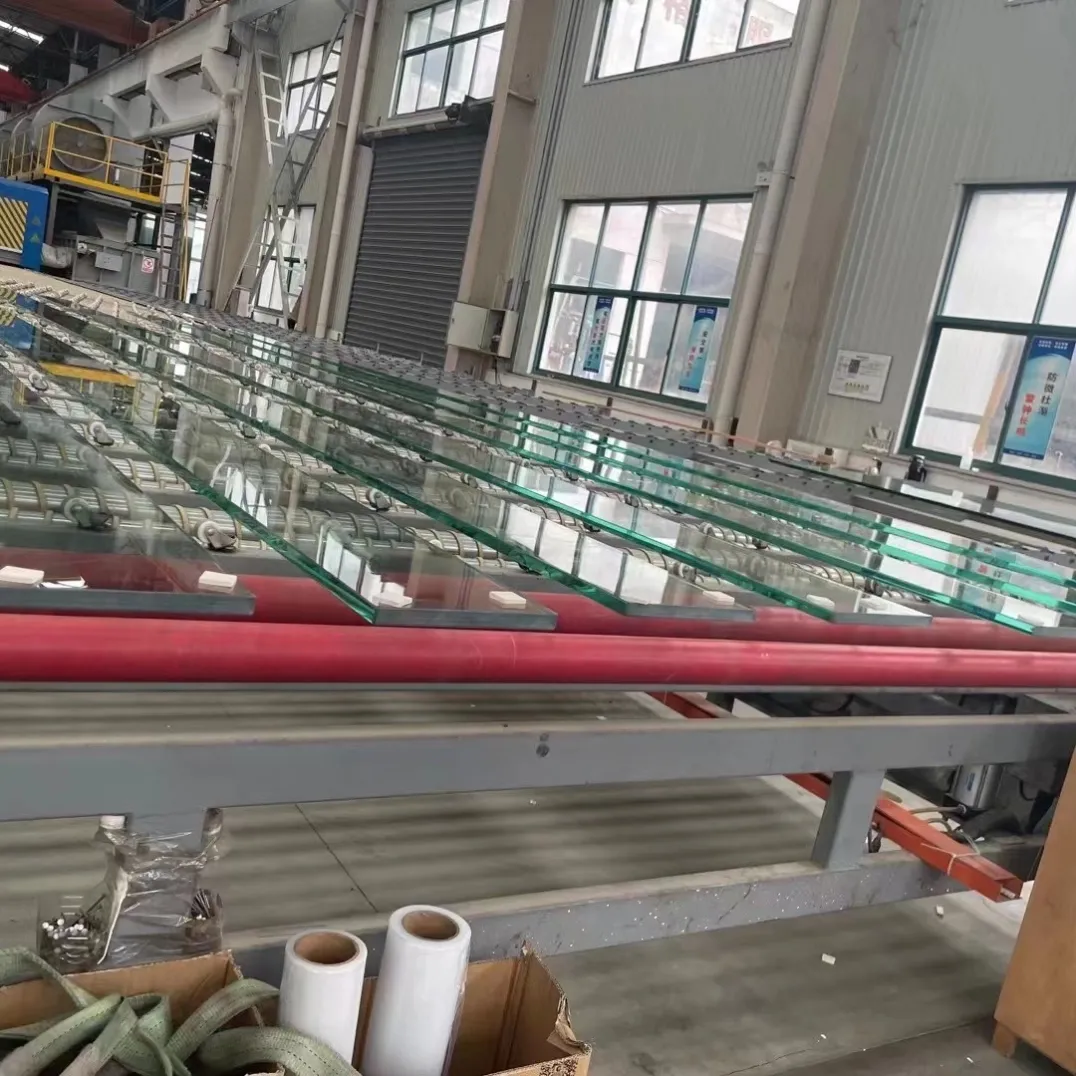
Glass is heated in a forced-convection tempering furnace to roughly 600–700°C (exact temperature depends on thickness and glass composition), then rapidly cooled with high-pressure air jets. This locks the outer surfaces in compression and the core in tension, producing glass that is both mechanically stronger and safer on impact.
- Controlled heating & quenching — Precise furnace temperature control ensures even stress distribution across the pane, reducing optical distortion (roller wave) and warping.
- Safety breakage behavior — Under impact, the glass separates into small, granular fragments rather than sharp shards, in line with international safety glazing standards.
- Optional heat-soak testing (HST) — Lowers the risk of spontaneous breakage caused by nickel sulfide (NiS) inclusions — recommended for structural and overhead glazing.
- Thermal shock resistance — Withstands temperature differentials of up to roughly 200°C, suited to high solar-load facades and fire-adjacent applications.
Applications & Use Cases
- Curtain Wall & Window Glazing — Primary safety glazing for commercial and residential facades, meeting wind-load and impact requirements.
- Glass Doors & Partitions — Storefront doors, interior partitions, and office glazing where impact safety is code-required.
- Balustrades & Railings — Structural glass railings for balconies, staircases, and pool fencing, typically specified with a laminated interlayer for added redundancy.
- Shower Enclosures — Standard requirement for bathroom and shower glazing under most residential building codes.
- Furniture & Appliance Panels — Cooktops, oven doors, cabinet shelving, and tabletops requiring heat and impact resistance.
- Refrigeration & Display Cabinets — Commercial cooler and freezer doors requiring thermal and impact durability.
Note: For load-bearing glass floors and stair treads, tempered glass is generally used as one ply within a laminated safety glass build-up rather than as a single monolithic pane — see the Laminated Glass page for that configuration.
Standard Sizes & Specifications
The figures below reflect common industry tempering capability and are provided as a starting reference. Please confirm exact maximum/minimum sizes, tolerances, and available thicknesses against current furnace capacity before publishing or quoting.
Thickness | Max Size (Standard) | Min Size | Thickness Tolerance | Typical Application |
|---|---|---|---|---|
3mm | 2440 × 3660mm | 100 × 100mm | ±0.2mm | Cabinet doors, small panels |
4mm | 2440 × 3660mm | 100 × 100mm | ±0.2mm | Shower doors, furniture |
5mm | 2440 × 3660mm | 100 × 100mm | ±0.2mm | Furniture, display cases |
6mm | 2440 × 3660mm | 100 × 100mm | ±0.3mm | Windows, partitions |
8mm | 2440 × 3660mm | 100 × 100mm | ±0.3mm | Curtain wall, railings |
10mm | 3300 × 6000mm (jumbo) | 150 × 150mm | ±0.3mm | Structural glazing, doors |
12mm | 3300 × 6000mm (jumbo) | 150 × 150mm | ±0.4mm | Balustrades, floors |
15mm | 3300 × 6000mm (jumbo) | 150 × 150mm | ±0.5mm | Heavy structural glazing |
19mm | 3300 × 6000mm (jumbo) | 150 × 150mm | ±0.5mm | High-load structural applications |
Custom cut sizes, drilled holes, notches, and polished edges available on request — see Customization below.
Technical Service
We support your project from drawing review to delivery, not just order fulfillment.
- Drawing & Spec Review — Shop drawings and project specs are reviewed before production to confirm sizes, tolerances, and edge/hole details match your requirements.
- Testing & Documentation — Mill test certificates, thickness/strength test reports, and compliance documentation provided for project submittals.
- Technical Consultation — Our team advises on coating, thickness, and configuration selection to meet your project's structural and energy code requirements.
Customization
- Custom Cut Sizes & Shapes — Curved, notched, cut-corner, and irregular shapes fabricated to your CAD drawings, not limited to standard rectangles.
- Edgework & Drilling — Polished, beveled, or seamed edges, plus precision hole drilling and cutouts for hardware and fittings.
- Coating & Printing Options — Combine with Low-E coating, tinting, or ceramic silkscreen/digital printing on the same order.
Packaging & Shipping
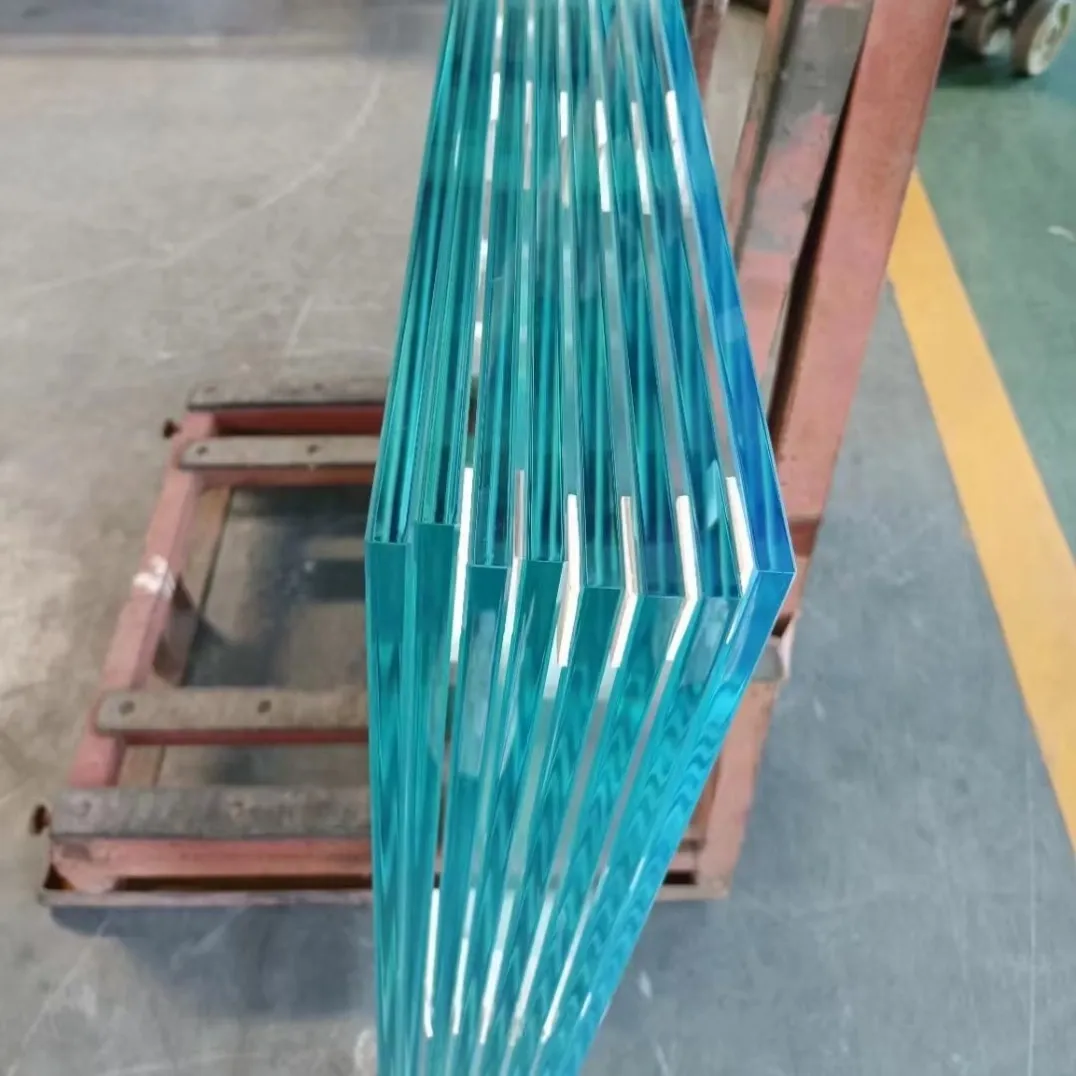
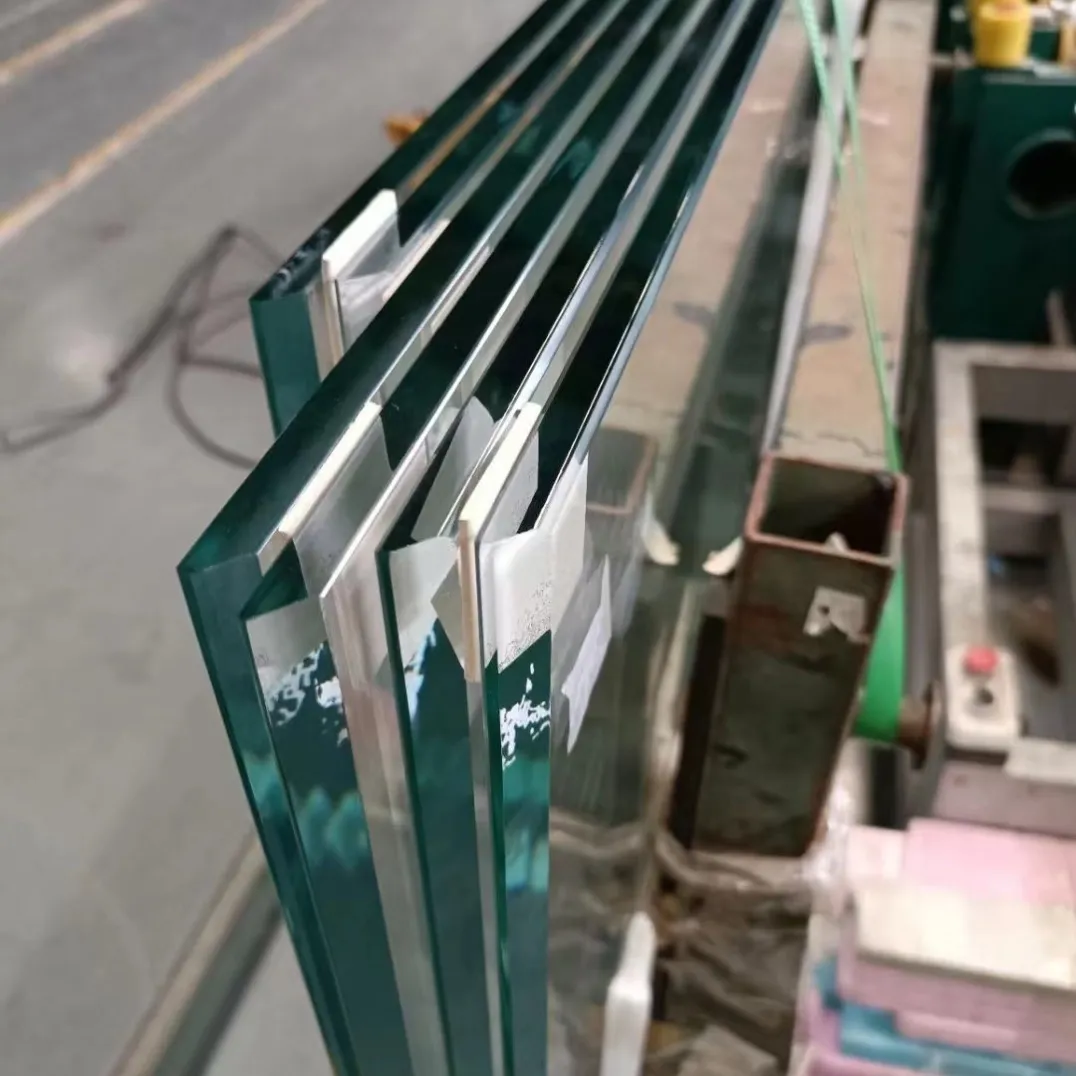
- Export-Grade Crating — Reinforced wooden A-frame or flat crates with edge protection, built for ocean freight handling.
- Container Loading — Load plans optimize container utilization while maintaining safe glass spacing to prevent transit damage.
- Shipping Documentation — Packing lists, certificates of origin, and mill certificates prepared in advance for smooth customs clearance.
- Lead Time — 7days in 12'' sample; 15days in mock up sample; 35days in project order.