
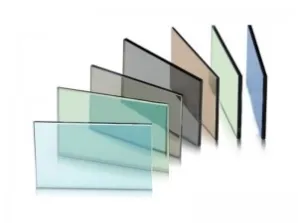
Tinted Glass
Tinted glass, also known as body-tinted or body-colored glass, is produced by incorporating colorants into the glass composition during manufacturing. The resulting color extends through the glass rather than being created solely by a surface coating.
Color · Light · Architectural Design
Tinted Glass
Add color, visual depth and solar control potential to architectural spaces with tinted float glass. Available in a range of bronze, grey, blue and green tones, tinted glass offers versatile design options for facades, windows and interior applications.
Discuss Your Glass RequirementsWhat Is Tinted Glass?
Tinted glass, also known as body-tinted or body-colored glass, is produced by incorporating colorants into the glass composition during manufacturing. The resulting color extends through the glass rather than being created solely by a surface coating.
Depending on its color, thickness and composition, tinted glass can modify visible light transmission, absorb part of the incoming solar energy and provide a distinctive appearance. It is widely considered for architectural glazing, windows, building interiors, furniture and decorative applications.
Tinted glass is available in different color families and can be evaluated for further processing into tempered, laminated or insulating glass, subject to product availability and fabrication compatibility.
Key Benefits of Tinted Glass
Distinctive Color Options
Choose from bronze, grey, blue, green and other available tones to complement architectural materials, facade concepts and interior finishes.
Light Transmission Control
Different colors and thicknesses provide different levels of visible light transmission, allowing the glass specification to respond to daylight and visual privacy requirements.
Solar Performance Potential
Tinted glass absorbs part of the incoming solar energy. Its actual solar heat gain and shading performance depend on the specific product and complete glazing configuration.
Versatile Design Applications
Suitable for a range of architectural and decorative applications, with selected products available for integration into processed glass assemblies.
Available Tinted Glass Colors
Color availability varies by manufacturer, thickness and production range. The following options represent common tinted float glass color families. Final color appearance should be confirmed against a representative sample.
Bronze Tinted Glass
Warm bronze and brown tones for contemporary facades, windows and interior schemes with a rich, understated appearance.
Grey Tinted Glass
Neutral to cool grey tones for modern buildings, commercial facades and minimalist interior applications.
Blue Tinted Glass
Blue and blue-grey tones that create a cooler visual expression for selected exterior and interior designs.
Green Tinted Glass
Green tones for architectural designs that call for a distinctive colored glazing appearance.
The color swatches above are illustrative design references, not certified representations of actual glass samples. Color appearance varies with thickness, lighting, background and viewing angle.
Tinted Glass Specifications
Available specifications depend on the selected color series and supplier. Typical options may include the following:
| Specification | Options / Notes |
|---|---|
| Glass Type | Body-tinted float glass |
| Color Options | Bronze, grey, blue, green and other supplier-specific colors |
| Thickness | Common supplier range: 3–12 mm; confirm availability for each color |
| Sheet Size | Standard and project-specific sizes subject to supplier availability |
| Further Processing | Tempering, lamination or insulating glass assembly where compatible and available |
| Performance Data | Visible light transmittance, reflectance and solar performance to be confirmed for the selected product |
The specifications above are indicative sourcing options, not a guarantee that every color is available in every thickness, size or processed configuration.
Understanding Optical and Solar Performance
Tinted glass can influence both the amount of daylight entering a space and the solar energy passing through the glazing. These effects vary by color, thickness and product composition.
- Visible Light Transmittance (VLT): The proportion of visible light transmitted through the glass. Lower VLT generally means less visible daylight passes through.
- Visible Light Reflectance (VLR): The proportion of visible light reflected from the specified surface or assembly.
- Solar Transmittance: The proportion of incident solar energy transmitted directly through the glass.
- Solar Heat Gain Coefficient (SHGC): The fraction of incident solar energy that enters a space as heat, including directly transmitted solar energy and the inward-flowing portion of absorbed energy.
Do not assume that a darker glass color automatically provides the best solar control. Compare the relevant performance data for the actual thickness and glazing build-up. Where tighter solar control or thermal performance is required, a tinted glass and Low-E or solar-control coating combination may be considered if compatible with the project specification.
Typical Applications of Tinted Glass
Building Facades
Colored glazing for commercial buildings, offices, hotels and selected residential developments.
Windows and Glazing Systems
Tinted glass for windows and other glazing systems where appearance and light transmission need to be considered together.
Interior Design
Colored glass for selected partitions, decorative panels, furniture and interior finishes, subject to the required safety specification.
Processed Glass Assemblies
Selected tinted glass products may be incorporated into tempered, laminated or insulating glass assemblies after compatibility is confirmed.
Can Tinted Glass Be Tempered or Laminated?
Many tinted float glass products can be considered for further processing, but compatibility depends on the selected glass series, thickness, dimensions and intended fabrication method. The manufacturer should confirm suitability before production.
For tempered glass, confirm the available thickness, size limits and processing requirements. For laminated glass, confirm compatibility with the selected interlayer and the intended performance requirements. For insulating glass units, the complete assembly should be reviewed for thermal, structural and energy performance.
For facade, overhead or other safety-critical applications, the final glass configuration must meet the project's applicable safety standards and building codes. A tinted appearance alone does not establish that the glass is suitable for a particular location.
Custom Tinted Glass Sourcing for Your Project
True Glass supports project-based glass sourcing by coordinating product selection, supplier communication and processing requirements. Share your specifications and we can help review suitable options for your project.
- Preferred color and reference sample
- Glass thickness, dimensions and quantity
- Required visible light and solar performance
- Tempered, laminated or insulating glass requirements
- Installation location and application
- Applicable safety standards and project specifications
- Delivery destination and required schedule
Frequently Asked Questions
What is the difference between tinted glass and reflective glass?
Tinted glass gets its color from the glass composition. Reflective glass uses a surface coating to increase reflection and modify solar performance. The two approaches are different, although selected tinted glass products may be combined with compatible solar-control coatings.
Does tinted glass provide solar control?
Tinted glass can absorb part of the incoming solar energy and reduce visible light transmission. Actual solar heat gain performance depends on the specific product and the complete glazing assembly, so review the relevant technical data rather than relying on color alone.
Does tinted glass block UV rays?
Tinted glass may reduce ultraviolet transmission, but the amount varies by product and thickness. If UV control is important for the project, request the relevant spectral transmittance data or a product-specific UV performance statement.
Can tinted glass be used for curtain walls?
Selected tinted glass products can be used in curtain wall systems when the complete assembly meets the project's optical, thermal, structural, safety and local code requirements. Additional coatings or insulating glass construction may be required depending on the design.
How do I choose the right tinted glass color?
Consider the building design, surrounding materials, daylight requirements, solar performance and interior appearance. Review representative samples under similar lighting conditions and compare technical data for the intended thickness and assembly.
How can I request a quotation?
Send your preferred color, thickness, dimensions, quantity, processing requirements and delivery destination. Drawings, reference samples and project performance specifications can help us review suitable options.
Looking for Tinted Glass for Your Project?
Tell us about your color preferences, glass specifications and project requirements. True Glass can help you review suitable tinted glass options and sourcing solutions.
Request a Quote Contact Us on WhatsAppEmail: sales@true-glass.com