
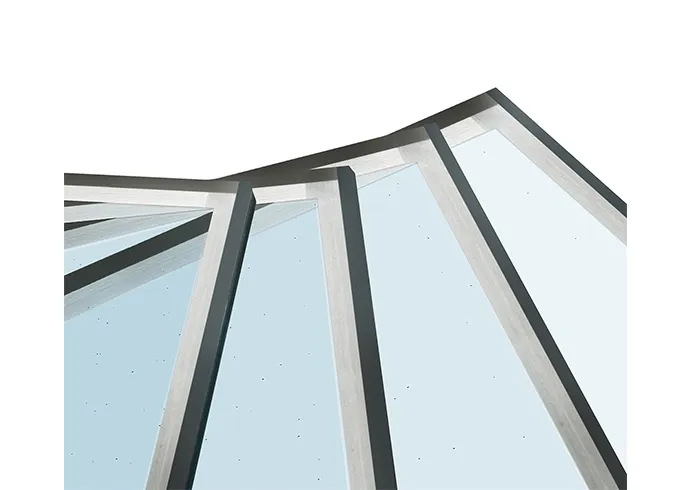
Vacuum Insulating Glass (VIG)
Vacuum insulating glass (VIG)is an advanced glazing solution designed to deliver improved thermal insulation within a slim glass profile. By creating a sealed vacuum cavity between two glass panes, VIG reduces heat transfer through the glazing assembly while supporting a clean, light-transmitting architectural appearance.
Advanced Architectural Glazing
Vacuum Insulating Glass (VIG) for High-Performance Buildings
Vacuum insulating glass (VIG) is an advanced glazing solution designed to deliver improved thermal insulation within a slim glass profile. By creating a sealed vacuum cavity between two glass panes, VIG reduces heat transfer through the glazing assembly while supporting a clean, light-transmitting architectural appearance.
True Glass supports project-based sourcing for vacuum glazing applications, helping architects, contractors, fabricators and building owners review product configurations and coordinate supply according to project requirements.
Discuss Your VIG ProjectWhat Is Vacuum Insulating Glass?
Vacuum insulating glass consists of two glass panes separated by a narrow evacuated cavity. Unlike conventional insulating glass units (IGUs), which use an air- or gas-filled space between panes, VIG relies on a vacuum to significantly reduce heat transfer through gas conduction and convection.
Because the atmospheric pressure outside the unit acts on the glass panes, tiny support pillars are distributed across the cavity to maintain separation. A specially engineered edge seal helps preserve the vacuum over the product's service life.
The result is a compact glazing construction that can provide useful thermal insulation where conventional double or triple glazing may be too thick for the available frame or design.
Key Benefits of Vacuum Insulating Glass
Slim Profile
The narrow vacuum cavity can provide enhanced thermal insulation without the wide gas-filled gap used in conventional insulating glass, making VIG worth considering for space-constrained glazing systems.
Thermal Performance
The vacuum cavity reduces heat transfer through the central glazing area. Actual U-value depends on the glass build-up, coatings, edge construction, size and calculation or test method.
Retrofit Potential
Selected VIG systems can be considered for upgrading existing windows where retaining the original frame dimensions or architectural appearance is important.
Acoustic Benefits
The vacuum cavity can contribute to sound insulation. Overall acoustic performance depends on the complete glazing configuration, pane thickness, edge design, frame and installation.
How Does Vacuum Glass Work?
VIG combines several engineered components to create an insulating glazing unit with a very narrow internal cavity.
1. Glass Panes
Two glass panes form the main body of the unit. Depending on the product system, glass type, thickness, coatings and heat treatment may be selected to meet specific design and safety requirements.
2. Vacuum Cavity
Air and other gases are removed from the cavity to reduce heat transfer by gas conduction and convection. The cavity is maintained under vacuum by the unit's sealing system.
3. Micro-Support Pillars
Tiny pillars support the panes against atmospheric pressure and help maintain the narrow cavity. Their material, dimensions and arrangement are specific to the product design.
4. Hermetic Edge Seal
The edge-sealing system helps preserve the vacuum and is an important factor in long-term reliability. Edge appearance, durability and thermal bridging depend on the specific manufacturing technology.
Applications of Vacuum Insulating Glass
Window and Facade Retrofits
For selected existing buildings where improving thermal performance while retaining window frames or the original architectural appearance is a priority.
Historic Buildings
May suit heritage renovation projects where conventional insulating glass is too thick for existing sash profiles. Approval and compatibility must be reviewed for each building.
Energy-Efficient Windows
For residential and commercial windows designed to improve thermal comfort and reduce heat transfer through glazing.
Commercial Architecture
For selected commercial glazing projects where insulation targets, available frame depth, daylight and overall system performance must be balanced.
Vacuum Glass vs. Conventional Insulating Glass
Vacuum insulating glass and conventional insulating glass both aim to reduce heat transfer through windows, but they use different cavity technologies. The best choice depends on thermal targets, available frame space, project budget and the complete window system.
| Feature | Vacuum Insulating Glass (VIG) | Conventional IGU |
|---|---|---|
| Cavity | Narrow evacuated cavity with micro-support pillars | Wider cavity containing air or an insulating gas such as argon |
| Overall thickness | Can be significantly thinner than conventional double glazing, depending on product design | Usually requires a wider cavity and spacer system |
| Thermal performance | Can achieve strong insulation within a slim profile; verify the actual tested or calculated U-value | Depends on pane type, coating, cavity width, gas fill and edge construction |
| Retrofit potential | May fit selected existing frames where space is limited | May require deeper frames or changes to the existing window system |
| Key considerations | Vacuum integrity, edge-seal design, support pillars, product availability and replacement strategy | Spacer durability, seal performance, condensation risk and cavity configuration |
For conventional double glazing, see our Insulated Glass Units
Vacuum Insulating Glass Specifications
VIG performance and dimensions vary by manufacturing technology and product configuration. Share your requirements with us so the appropriate specifications can be checked with the relevant supplier.
| Parameter | Specification to Confirm |
|---|---|
| Total thickness | Product-specific; confirm the full glass build-up and edge-seal profile |
| Maximum dimensions | Confirm available maximum width and height for the selected construction |
| Thermal performance | Request the U-value, measurement or calculation method, and whether it refers to center-of-glass or the complete window |
| Glass types and coatings | Confirm clear or low-iron glass, Low-E coating and coating surface position where applicable |
| Safety configuration | Confirm annealed, heat-strengthened or tempered construction, and whether a laminated or hybrid assembly is available |
| Acoustic performance | Request tested acoustic data for the exact configuration and intended application |
| Durability and warranty | Confirm vacuum retention evidence, applicable durability testing, warranty terms and exclusions |
| Compliance | Confirm the standards, reports and certification documents required for the destination market |
What to Check Before Specifying VIG
Thermal performance: Check whether the quoted U-value refers to the center of the glass, the edge-of-glass region or the complete window. These values are not interchangeable.
Frame compatibility: Confirm glazing bite, edge clearance, setting blocks, frame depth, drainage and installation details. A slim glass unit does not automatically fit every existing frame.
Safety and structural design: Confirm the required impact safety classification, wind-load resistance, glass support conditions and applicable building codes.
Long-term reliability: Request information about the edge-seal system, vacuum stability, durability testing, warranty and the replacement approach if a unit is damaged.
Project-Based VIG Sourcing with True Glass
STEP 01
Share the Project
Send dimensions, quantities, intended application, thermal targets and destination market.
STEP 02
Review Compatibility
Coordinate the requested build-up, frame constraints, performance criteria and technical documentation.
STEP 03
Confirm Supply
Review the available configuration, quotation, production schedule, packaging and delivery terms.
STEP 04
Coordinate Delivery
Coordinate order progress and shipping arrangements based on the agreed project scope.
Frequently Asked Questions
Is thin glass the same as vacuum insulating glass?
No. Thin glass is a broad descriptive term that may refer to a thin glass pane or a slim glazing construction. Vacuum insulating glass is a specific technology using an evacuated cavity between two glass panes. VIG is one type of slim-profile glazing, but not all thin glass is VIG.
Is VIG thinner than double glazing?
VIG can be significantly thinner than conventional double glazing because its cavity is evacuated rather than filled with air or insulating gas. The actual overall thickness depends on the selected product and edge-seal design.
Can vacuum glass be installed in existing windows?
Selected VIG products are suitable for certain retrofit applications, particularly where frame depth is limited. Existing frame condition, glazing details, glass size, safety requirements and local regulations must be reviewed before installation.
Does VIG perform better than triple glazing?
Some VIG products can achieve thermal performance comparable to or better than certain conventional multi-pane systems while using less thickness. However, results depend on the exact glass construction, coatings, edge effects, frame and test method. Compare verified values for the intended application.
Can VIG include Low-E glass?
Low-E coatings may be used in suitable VIG designs to improve thermal performance. Coating compatibility and surface position depend on the manufacturer's system and should be confirmed for each specification.
What information is needed for a VIG quotation?
Please provide glass dimensions, quantity, required total thickness, application, target U-value, coating requirements, safety classification, destination and any project standards. Existing window or frame drawings are useful for retrofit projects.
Slim Profile. Thermal Performance. Project Coordination.
Explore Vacuum Insulating Glass for Your Project
Send us your drawings, glass schedule or performance requirements. True Glass can help coordinate suitable VIG sourcing options and review the information needed for your project.
Request a Project QuotationEmail: sales@true-glass.com | Tel: +86 132 4273 2769