Jun 26, 2026
Bending Glass: Transforming Flat Glass into Custom Curved Architectural Features
Bending Glass: Transforming Flat Glass into Custom Curved Architectural Features Bending glass — also known as Hot Bending Glass — is an innovative glazing solution that empowers designers and archi
Bending Glass: Transforming Flat Glass into Custom Curved Architectural Features
Bending glass — also known as Hot Bending Glass — is an innovative glazing solution that empowers designers and architects to push beyond the limitations of flat glass and create three-dimensional curved glass elements with precision and visual elegance. This advanced glass fabrication technique combines the clarity of conventional glass with the fluid form of sculptural design, enabling spaces to realize new levels of aesthetic and functional performance.
What Is Bending Glass?
Bending glass refers to glass that has been thermally reshaped into curved or contoured forms through controlled heating and molding processes. The technique begins with high-quality flat glass, which is heated to a pliable state — usually around 580 to 600 °C — until the material reaches a softened condition suitable for bending. It is then shaped using either gravity-based molds or precision bending tools, and finally annealed in a controlled cooling process to ensure stability and strength.
The result is a seamless, curved glass panel that blends optical clarity with structural integrity — ideal for architectural, interior and artistic applications.
Why Choose Bending Glass?
1. Unlimited Design Flexibility
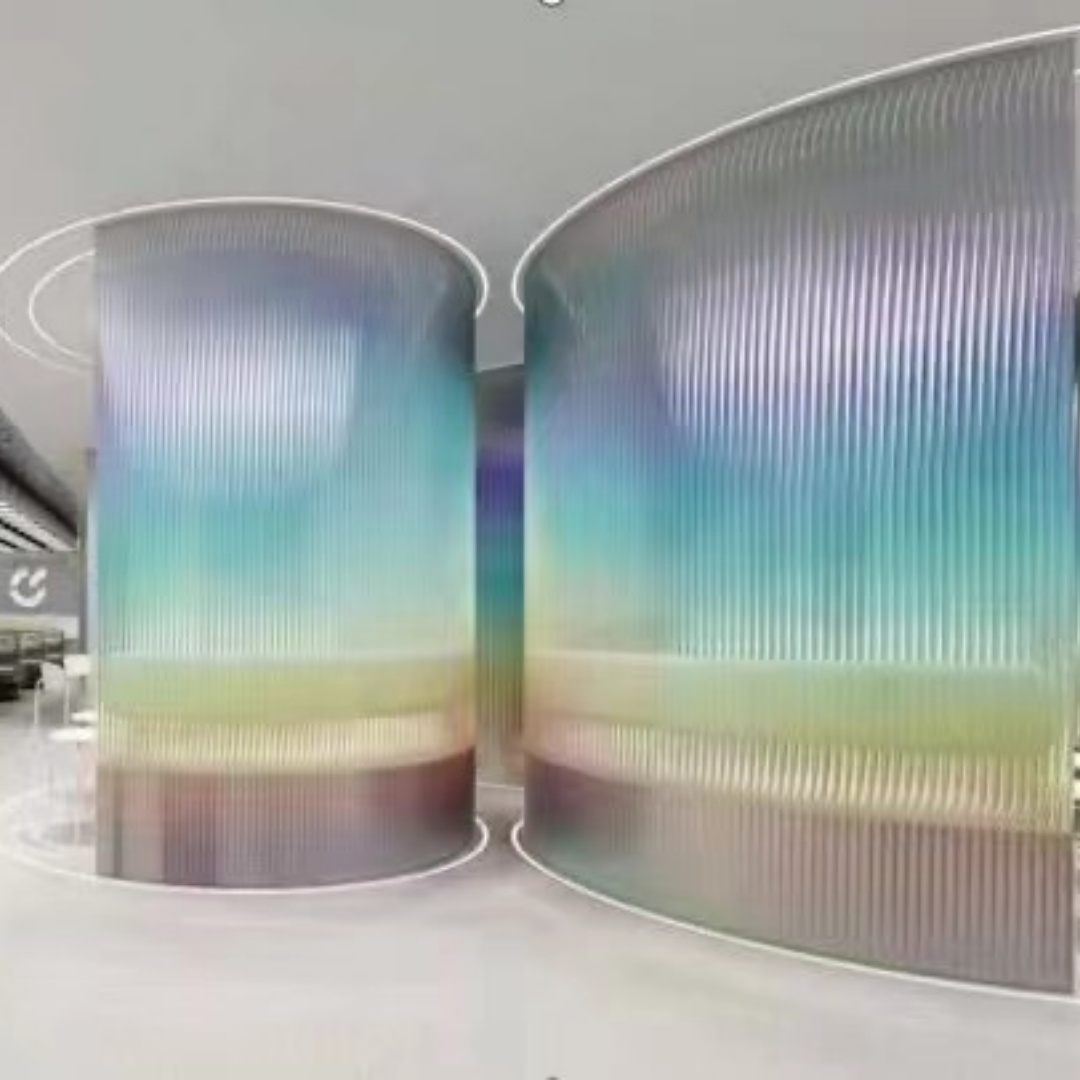
Unlike flat glass, which restricts designers to planar forms, bending glass allows curves, radii, arcs and organic contours that elevate both aesthetics and function. Whether creating dramatic façades, elegant stair balustrades, or flowing interior partitions, this glass type enables creative freedom without compromise.
Customized bending solutions can be tailored to exact project specifications — including size, curvature, thickness and finishing options — making it suitable for bespoke architectural visions.
2. Structural and Optical Quality
Although bent into shape, high-quality glass maintains its original clarity, light transmission and surface smoothness. The thermal forming process preserves the visual benefits of glass while enabling three-dimensional form language that interacts dynamically with daylight and spatial perception.
Additionally, bending glass can be incorporated with other safety or performance treatments — such as lamination or insulation — enhancing its utility in both structural and decorative applications.
3. Enhanced Architectural Impact
Curved glass has the unique ability to transform architectural spaces. Curves soften spatial edges, create focal points of light and reflection, and add visual momentum to interior and exterior environments. In commercial settings, bending glass can elevate façades, storefronts and feature walls with elegant continuity and light modulation.
In residential design, bending glass brings a refined aesthetic to staircases, rooflights or custom furniture glass surfaces, imbuing environments with modern sophistication.
4. Functional and Performance Advantages
Beyond aesthetics, bending glass offers practical advantages. Curved shapes can provide improved wind deflection in façade systems, optimize daylight patterns, and integrate more seamlessly with structural frames.
When laminated, bending glass can meet safety standards and provide impact resistance. When used in insulated units, it can contribute to thermal performance goals. This multifunctionality makes bending glass a robust choice for high-end construction projects.
5. Custom Fabrication and Installation Support
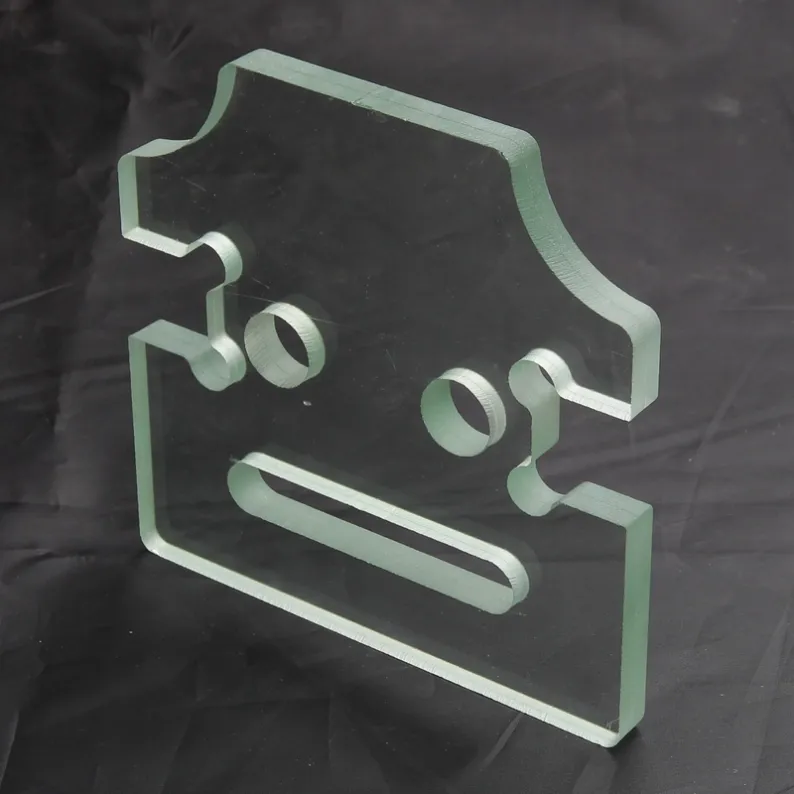
Producing bending glass requires advanced thermal forming technology coupled with precise fabrication capabilities. The process supports customized edge treatments, CNC-cut openings, drilled features and detailed finishing to integrate hardware, sealing systems or framing.
This deep fabrication capacity enables seamless installation in curtain walls, skylights, interior partitions and bespoke design features. Experienced teams can also provide guidance on structural integration and installation best practices.
Common Applications of Bending Glass
Bending glass is suitable for a wide range of architectural and interior applications:
- Architectural façades and curtain walls
- Interior partitions and meeting room screens
- Staircase balustrades and handrails
- Skylights and atrium glazing
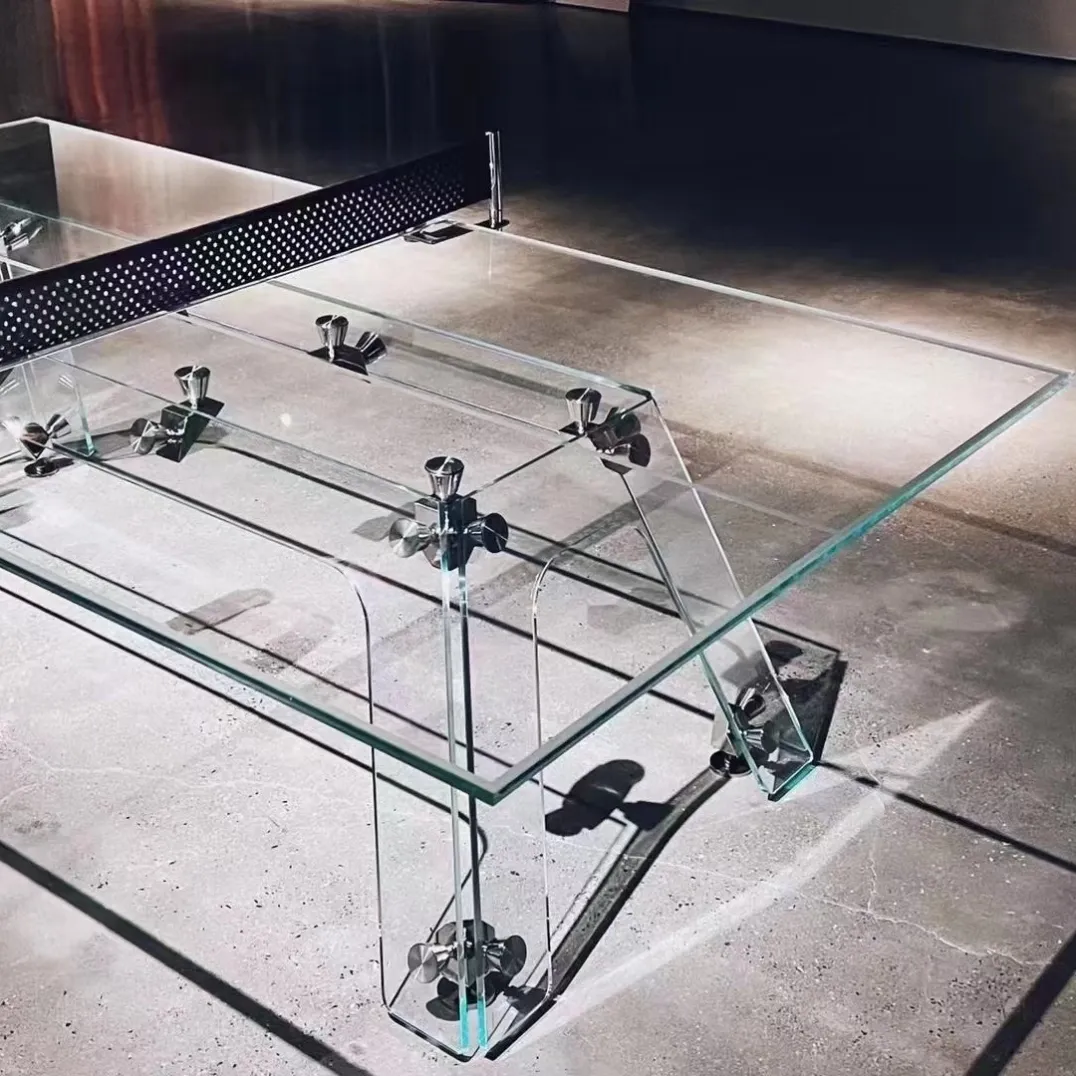
- Custom furniture glass such as tabletops and counters
- Aquarium, display and showcase structures
- Window and door systems with contour design
Its ability to merge function with sculptural beauty makes bending glass a compelling choice for modern design.
Sustainable and Long-Lasting Design
With proper design consideration and maintenance, bending glass integrates into sustainable building strategies by optimizing natural light, reducing reliance on artificial lighting, and supporting high-performance façade systems. Its long-lasting optical quality helps preserve design investment over time.
Conclusion
Bending Glass — a sophisticated thermal forming solution — revolutionizes how architects and designers utilize glass. Combining design flexibility, structural integrity and optical clarity, it enables unique curves, bespoke forms and expressive surfaces while preserving performance. Whether used in architectural façades, interior features or custom installations, bending glass delivers both beauty and innovation.