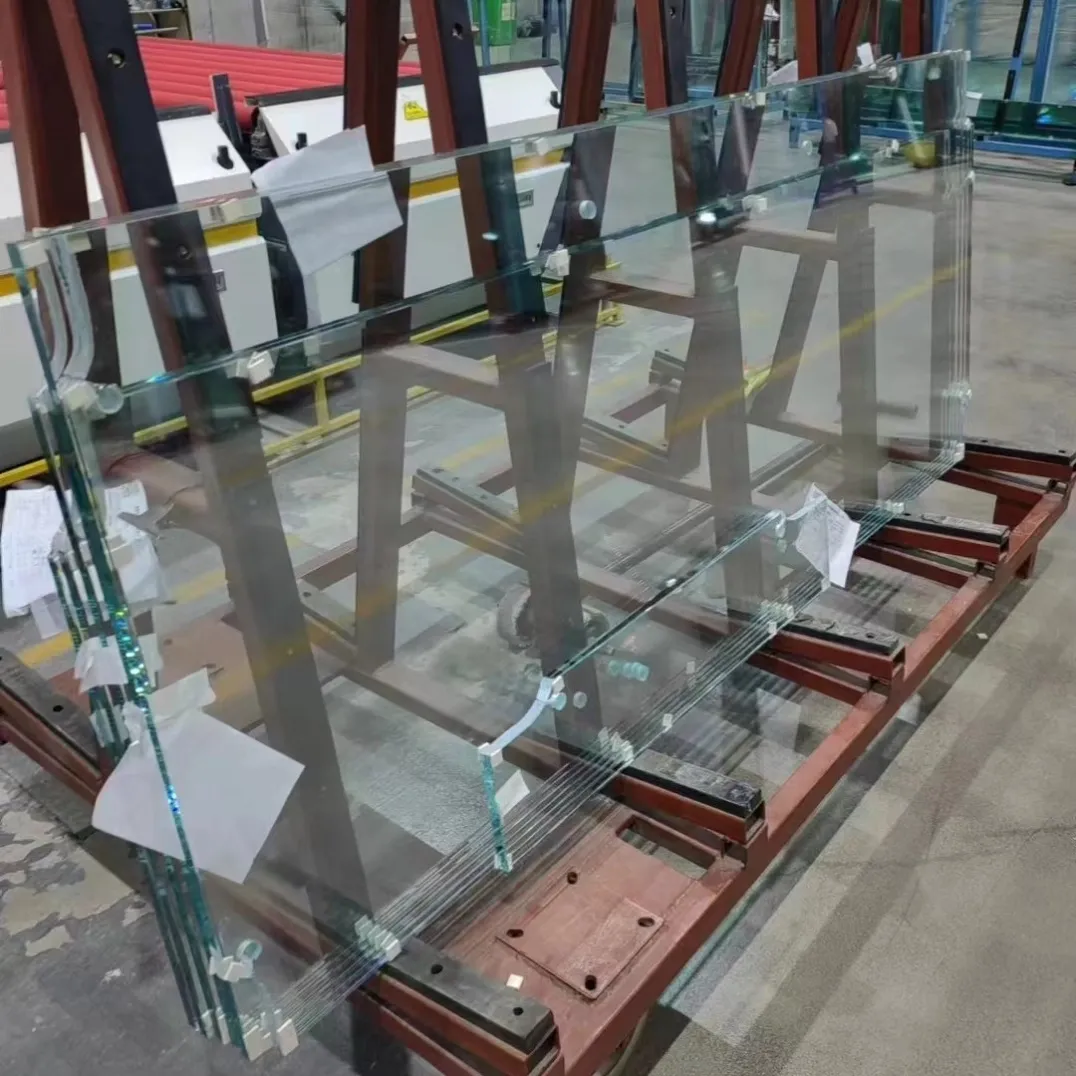
How to Choose an Architectural Glass Manufacturer
Quick Answer: When choosing an architectural glass manufacturer, evaluate more than price. Technical capability, production processes, quality control, customization, project communication, documentation, packaging and international shipping capability are all important.
Why Choosing the Right Glass Manufacturer Matters
Architectural glass is often a project-critical component. A supplier that cannot accurately understand the specification or consistently manufacture the required configuration can create delays and installation problems.
1. Check Technical Capability
A capable manufacturer should be able to review glass schedules, drawings and technical requirements rather than simply accept a product name and quantity.
True Glass provides technical support covering specification review, customization and project requirements.
2. Review Manufacturing Capability
Ask whether the supplier can actually produce the required glass rather than outsourcing every process.
Important processes may include tempering, heat strengthening, lamination, insulated glass production, CNC processing, polishing, printing and other fabrication.
3. Evaluate Quality Control
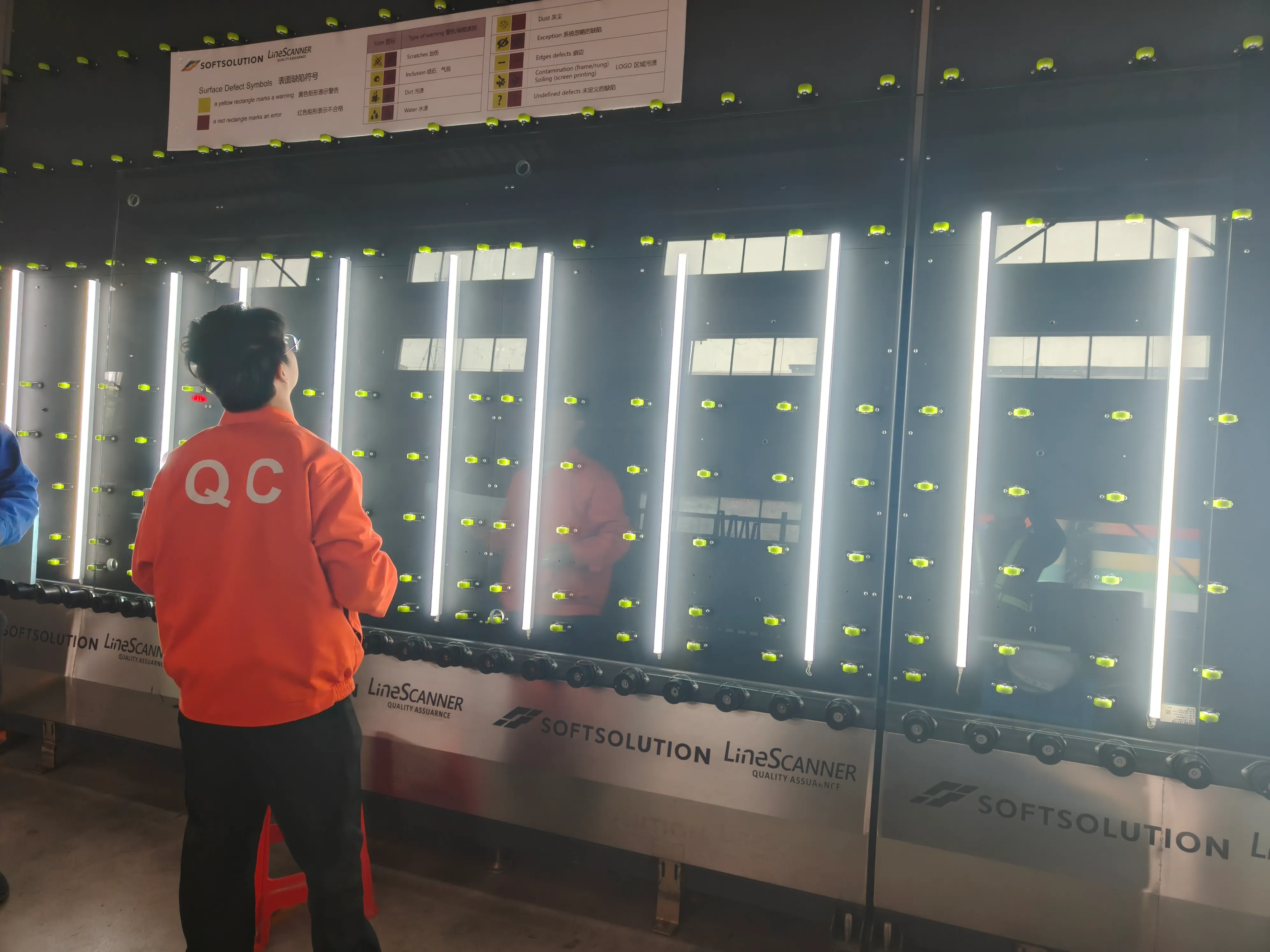
Ask how the supplier controls dimensions, glass appearance, processing accuracy, lamination, IGU sealing and final packing.
4. Confirm Customization Capability
Projects often require non-standard dimensions, holes, notches, cutouts, curved panels or special surface treatments.
True Glass provides customized curved glass and other project-specific fabrication options.
5. Ask for Technical Documents
Depending on the project, documentation may include test reports, certificates, mill certificates, inspection records and other compliance documents.
6. Review Sample Capability
For complex projects, samples or mock-ups can help confirm appearance, color, coating and fabrication quality before bulk production.
7. Check Packaging and Export Experience
Glass can be damaged during international transportation if packaging and loading are not properly managed. Ask how the supplier handles export crates, edge protection, container loading and shipping documents.
8. Consider Communication
A good manufacturer should communicate clearly when drawings are incomplete, specifications conflict or a requested configuration requires further confirmation.
9. Don't Compare Only Unit Price
A lower initial glass price does not necessarily mean a lower project cost. Consider fabrication accuracy, packaging, documentation, shipping, lead time and potential rework.
10. Ask About Project Support
For international projects, a manufacturer that supports the project from quotation through production, inspection and shipping can reduce communication gaps.
You can learn more about True Glass technical and manufacturing capabilities on our About Us page.
Looking for an Architectural Glass Manufacturer?
Send us your project specifications and let our team review the requirements.
Contact True Glass