Custom Glass Fabrication: What Can Be Customized?
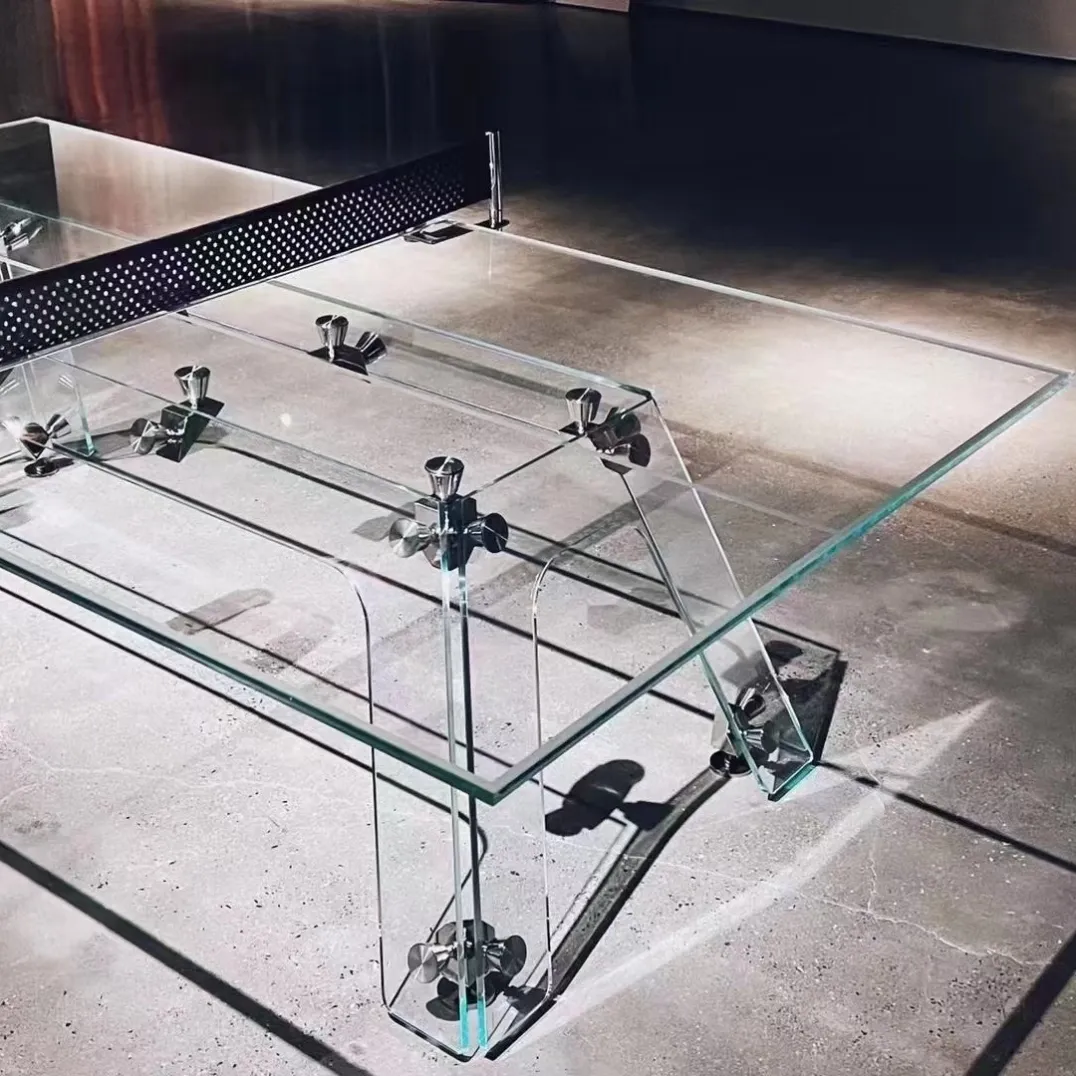
Quick Answer: Architectural glass can be customized in size, shape, thickness, edgework, holes, notches, cutouts, lamination, coatings, printing, insulation, curvature, surface texture and other project-specific configurations.
What Is Custom Glass Fabrication?
Custom glass fabrication means manufacturing and processing glass according to project-specific drawings, dimensions and performance requirements instead of supplying standard stock glass.
1. Custom Sizes
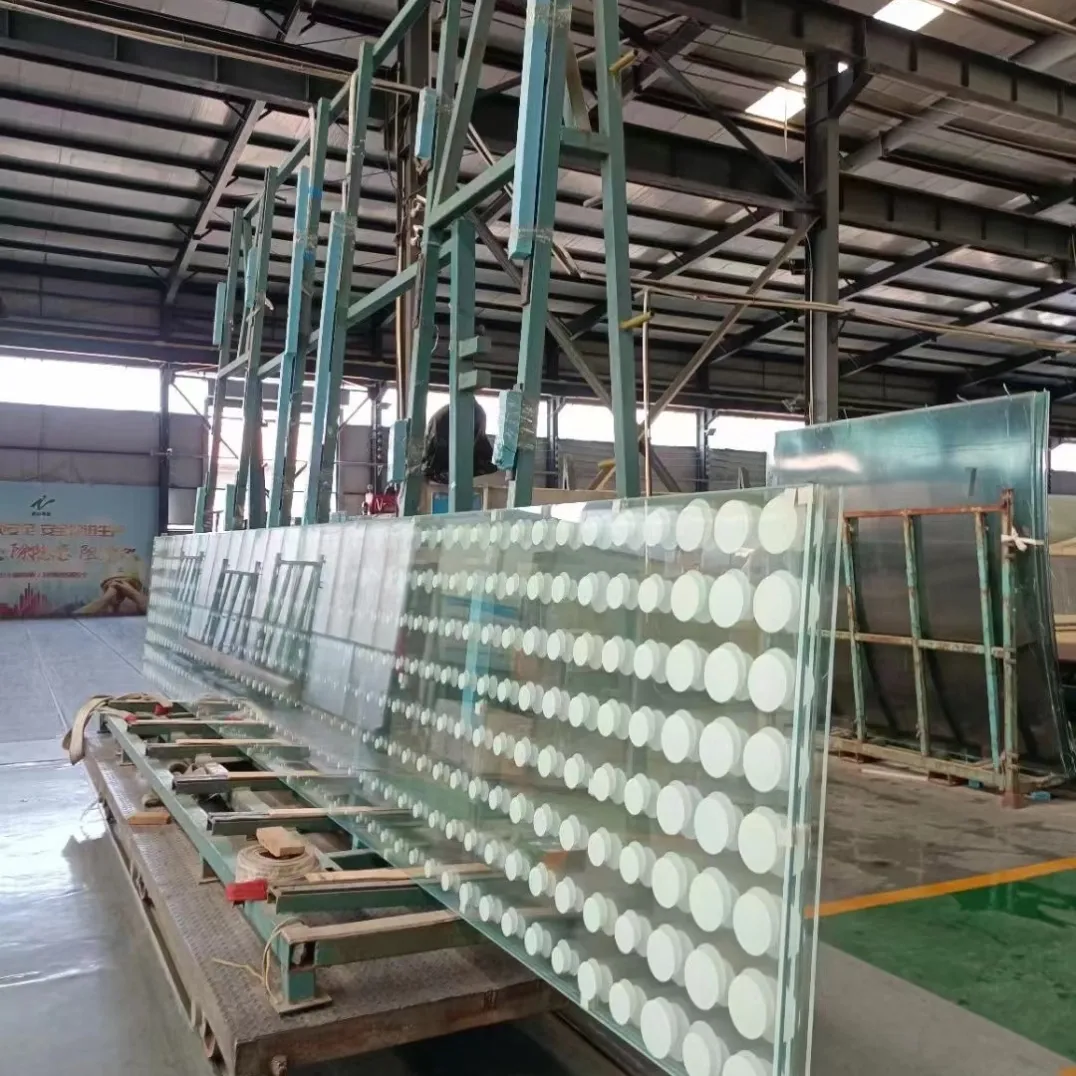
Glass can be cut to project-specific dimensions. For commercial projects, accurate dimensions are particularly important because the glass must fit the surrounding framing or hardware system.
2. Custom Shapes
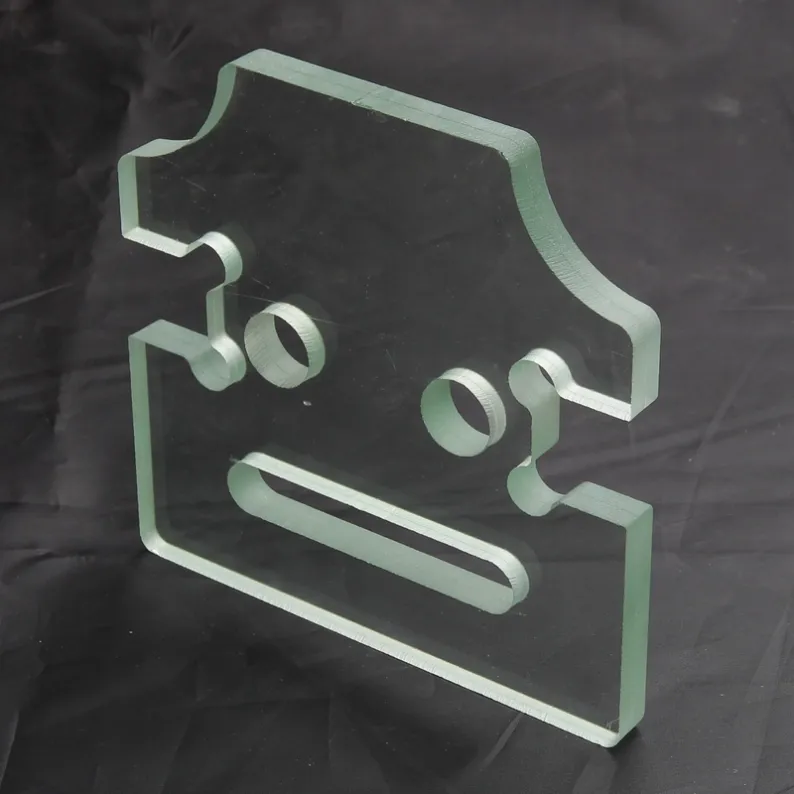
Architectural glass can be manufactured into irregular shapes, including cut corners, angled panels and other geometries shown on CAD drawings.
3. Holes and Cutouts
Holes and cutouts can be processed for fittings, handles, spider connections, railing hardware and other architectural components.
4. Edge Processing
Depending on the application, glass edges can be seamed, polished or beveled. Edge requirements should be defined before production.
5. Lamination
Laminated glass can combine different glass thicknesses and interlayers to achieve safety, acoustic, security or design requirements.
6. Insulated Glass
True Glass can configure IGUs with different glass combinations, cavity widths, gas fills and coatings according to project requirements.
7. Curved Glass
For non-flat architectural designs, Curved / Bent Glass can be manufactured to a specified radius.
8. Decorative Processing
Decorative glass can include frosted surfaces, patterns, ceramic frit, digital printing and other visual treatments.
True Glass offers Frosted / Acid-Etched Glass for privacy and decorative applications.
9. Specialty Coatings
Depending on the product and application, glass may incorporate Low-E, solar-control or anti-reflective coatings.
For display and high-visibility applications, Anti-Reflective Glass can help reduce unwanted reflection.
10. Custom Glass Should Start With Drawings
The most efficient way to start a custom glass project is to provide the latest drawings, glass schedule, dimensions and technical requirements. This allows the manufacturer to assess feasibility before production.
Need Custom Glass Fabrication?
Send your CAD drawings, glass schedule or project specifications to True Glass.
Contact True Glass