Jun 26, 2026
Digital Printed Glass: The Future of Decorative Architectural Glass
Digital Printed Glass: The Future of Decorative Architectural Glass Digital printed glass is transforming how architects and designers use glass in modern buildings. By combining ceramic ink technolog
Digital Printed Glass: The Future of Decorative Architectural Glass
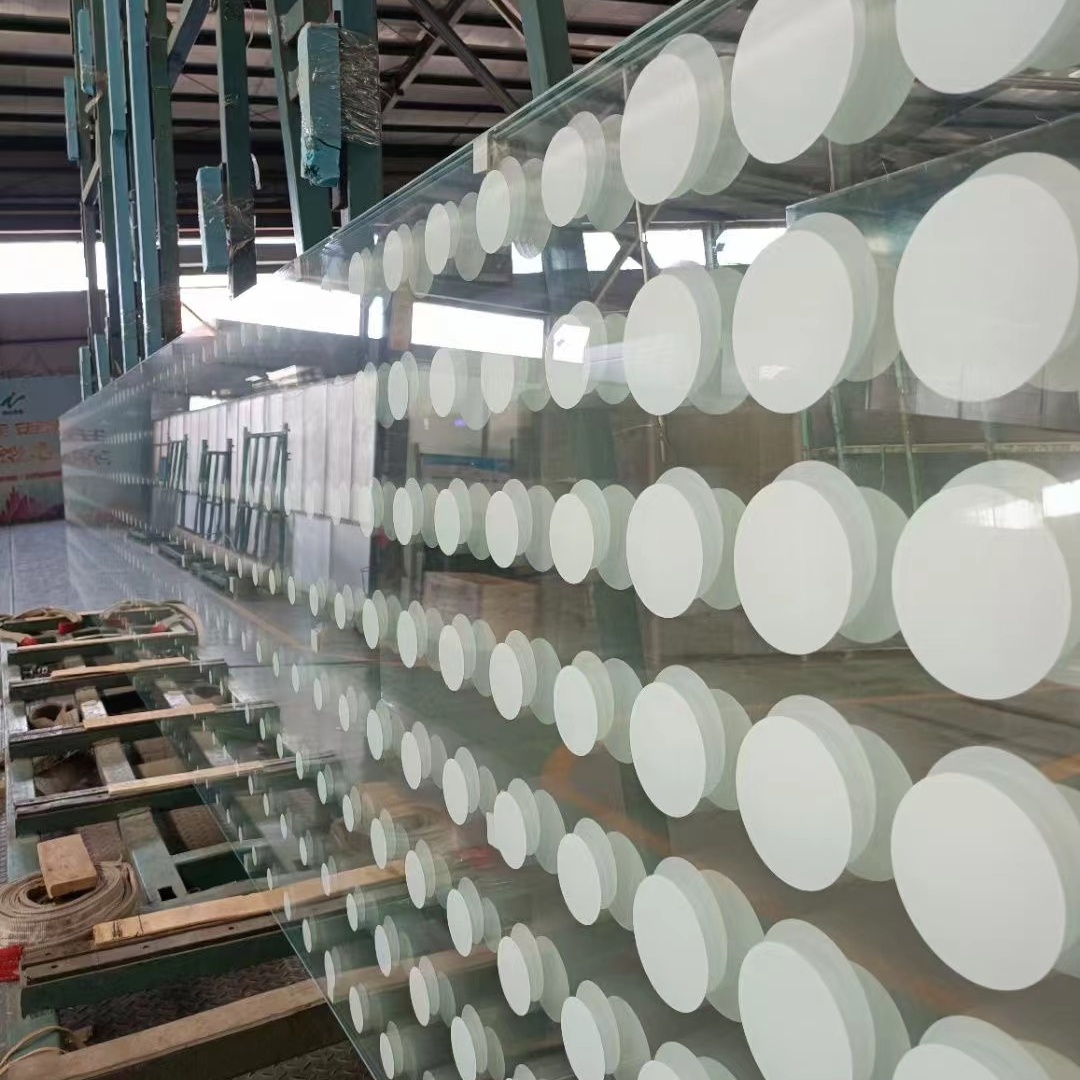
Digital printed glass is transforming how architects and designers use glass in modern buildings. By combining ceramic ink technology with precision glass processing, digital printing allows glass surfaces to become both structural elements and artistic design features.
Unlike traditional decorative glazing methods, digital printing technology enables high-resolution imagery to be permanently embedded into glass surfaces. The ceramic ink is fused into the glass during tempering, creating a durable finish that resists fading, scratching, and environmental damage.
This durability makes digital printed glass suitable for both interior and exterior applications. From curtain walls to decorative partitions, digital printed glass provides long-lasting visual impact without compromising safety or performance.
One of the most important advantages of digital printed glass is design freedom. Architects can incorporate branding elements, photographic images, textures, gradients, and patterns directly into building materials. This eliminates the need for additional decorative panels or coatings while maintaining a clean architectural appearance.
Digital printed glass can also be integrated into laminated glass and insulated glass systems, allowing designers to combine aesthetics with safety and energy performance.
For example, laminated digital printed glass can be used in railings and skylights, while insulated printed glass panels can be used in curtain walls and facade glazing systems.
Interior designers frequently use digital printed glass for kitchen backsplashes, feature walls, partitions, and shower enclosures. The material offers the visual appeal of artwork combined with the durability and hygiene of glass surfaces.
Another advantage is solar control capability. Printed patterns can help regulate solar heat absorption and reduce glare in buildings, contributing to occupant comfort and energy efficiency.
Because each project can be customized, digital printed glass is increasingly used in hotels, offices, retail spaces, airports, museums, and high-end residential projects.
As architectural design continues to move toward customization and visual storytelling, digital printed glass is becoming a key material for modern building envelopes and interior environments.