Jun 26, 2026
Mirror Glass: Reflective Surfaces That Transform Spaces
Mirror Glass: Reflective Surfaces That Transform Spaces Mirror glass is one of the most widely used decorative and architectural materials in modern design. From residential bathrooms to commercial lo
Mirror Glass: Reflective Surfaces That Transform Spaces
Mirror glass is one of the most widely used decorative and architectural materials in modern design. From residential bathrooms to commercial lobbies, mirror glass adds brightness, dimension and functional aesthetics to a wide range of interior and exterior applications. Its reflective surface not only creates vivid visual effects but also contributes to enhanced spatial perception and ambient light control.
What Is Mirror Glass?
Mirror glass is flat glass coated with a reflective metallic layer to produce a highly reflective surface. The coating is applied through specialized processes such as vacuum metallization or silvering. The result is a surface that reflects light and images with clarity and accuracy.
Unlike ordinary glass, which is transparent, mirror glass reflects light back into space, making objects appear reversed but clearly visible. This reflective property is what makes mirror glass useful in design, architecture, safety and functionality.
Mirror glass can be produced in a variety of base glass thicknesses, surface tints and finish options. It can also be strengthened with safety treatments such as tempering or laminated interlayers. These options make mirror glass appropriate for both decorative and structural applications.
Features & Advantages
High Reflectivity and Optical Clarity
One of the primary advantages of mirror glass is its ability to provide sharp, clear reflections. This makes it ideal for places where accurate reflection is important — such as dressing rooms, bathrooms, dance studios and fitness centers.
Clear reflective surfaces also enhance natural light distribution and create a perception of expanded space in interior environments. This can make rooms feel larger and brighter without the need for additional lighting.
Design Versatility
Mirror glass is available in a range of colors and finishes, including standard clear mirrors, bronze‑tinted mirrors, gray‑tinted mirrors, green‑tinted mirrors and custom tints. These options allow designers to tailor reflective effects to specific aesthetic goals.
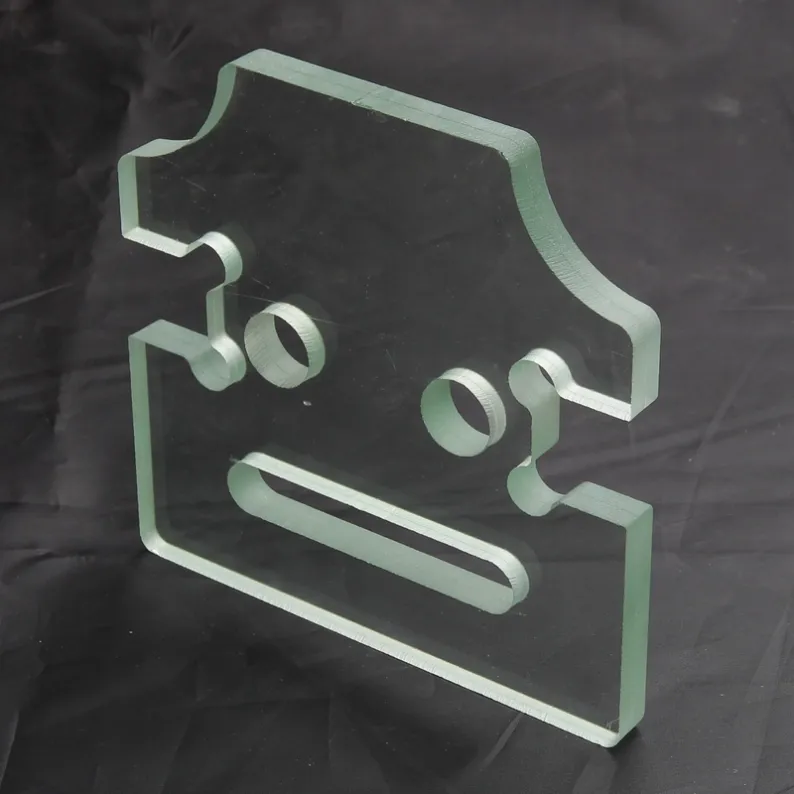
The ability to produce mirror glass in custom sizes and shapes further enhances design flexibility. Large panels, cut‑outs, geometric shapes and precision edges can all be achieved through advanced glass processing.
Safety and Performance Options
Mirror glass can be manufactured as tempered mirror glass, laminated mirror glass or insulated mirror units. These safety options improve mechanical strength, impact resistance and durability:
- Tempered mirror glass offers higher mechanical strength and safer break patterns.
- Laminated mirror glass holds glass fragments in place when broken, improving safety.
- Insulated mirror units combine reflective surfaces with thermal performance.
These options expand mirror glass applications into areas that require higher safety standards or performance characteristics.
Applications in Residential and Commercial Design
Mirror glass has become a staple in both residential and commercial projects:
- Residential Interiors: Bathroom mirrors, wardrobe doors, decorative wall panels
- Retail & Hospitality: Display walls, elevators, restaurant interiors
- Fitness & Wellness: Mirror walls in studios, gym facilities
- Office Environments: Conference room accents, lobby features
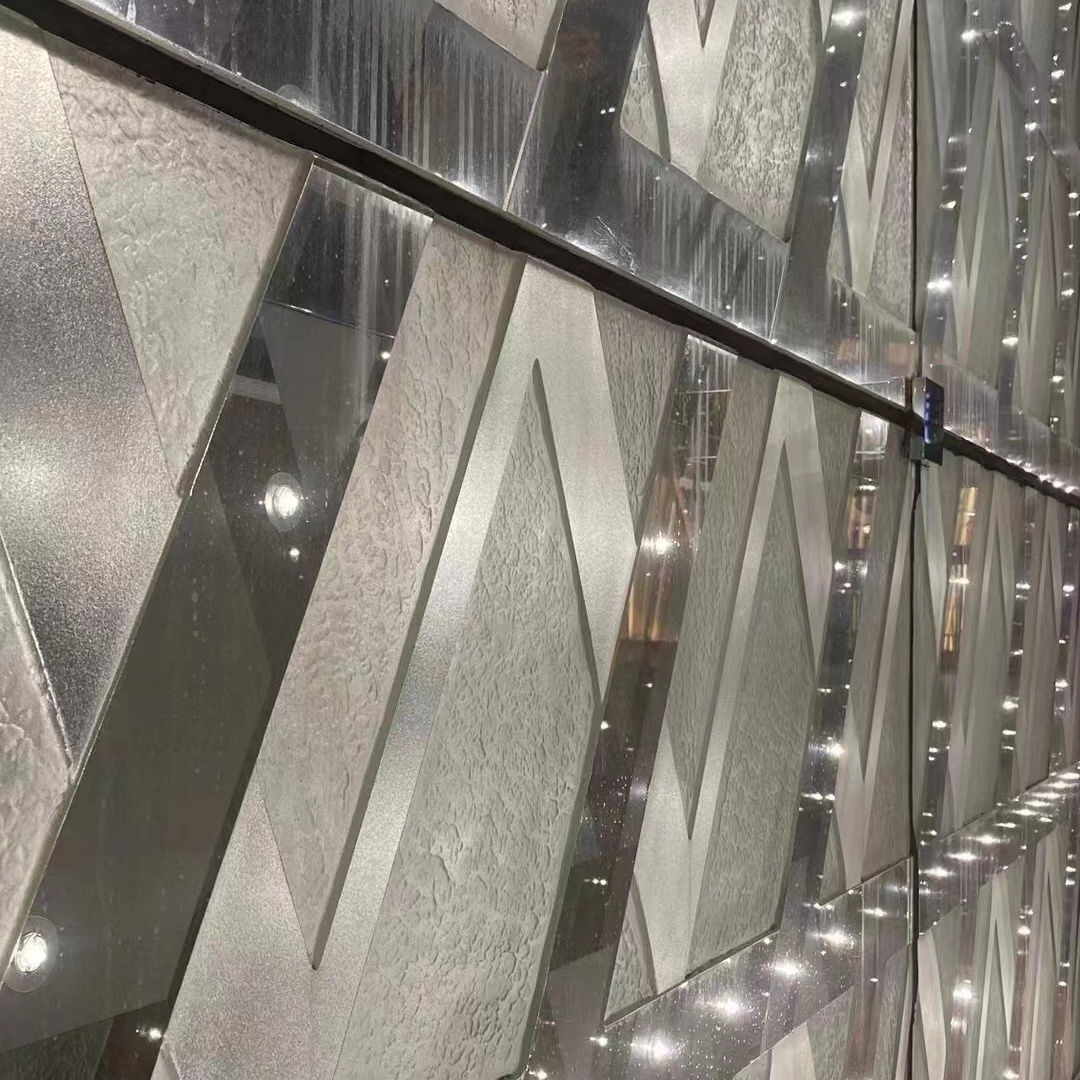
- Architectural Elements: Facades, atrium reflectors, staircase walls
It is the combination of reflective beauty and functional performance that makes mirror glass a key material in contemporary architecture and interior design.
Customization and Fabrication
Modern mirror glass fabrication techniques enable a high degree of customization:
- CNC cutting for precision shapes
- Edge polishing and finishing
- Drilling and notching for hardware integration
- Beveled edges for luxurious detailing
- Patterned or frosted mirror combinations
These fabrication capabilities give designers and architects the freedom to integrate mirror surfaces into a wide range of applications.
Maintenance and Care
Mirror glass surfaces are generally easy to maintain. Regular cleaning with non‑abrasive glass cleaners and soft cloths helps maintain reflectivity and clarity. Because mirror coatings are bonded to the glass substrate, they provide long‑lasting performance when properly protected from harsh chemicals and rough handling.
Conclusion
Mirror glass is a timeless and versatile material that enhances light, space and visual impact in architectural and interior applications. Its combination of reflection, clarity, safety options and design flexibility make it essential for modern design. Whether used for functional mirrors or dramatic architectural features, mirror glass elevates both form and function.