Jul 23, 2026
Reeded Glass: Textured Luxury for Functional Design
Reeded Glass: Textured Luxury for Functional Design Reeded glass has emerged as a popular architectural and interior glazing solution because it adds textural refinement, subtle privacy and dynamic li
Reeded Glass: Textured Luxury for Functional Design
Reeded glass has emerged as a popular architectural and interior glazing solution because it adds textural refinement, subtle privacy and dynamic light performance to modern spaces. Defined by its linear groove pattern, reeded glass offers both aesthetic impact and functional advantages with applications ranging from partition walls to decorative façades.
What Is Reeded Glass?
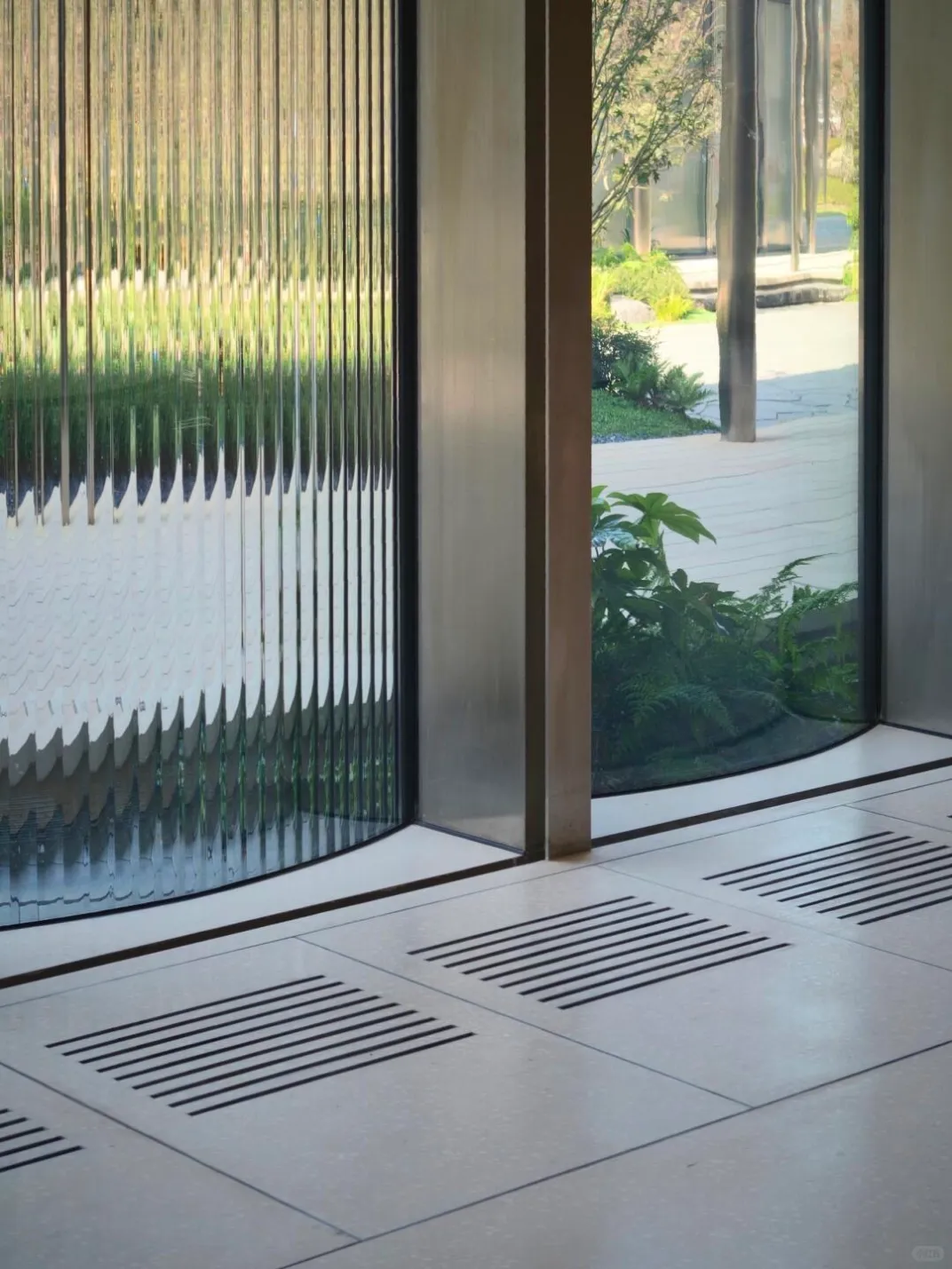
Reeded glass — also known as fluted or textured glass — is created by compressing molten glass between patterned rollers during the forming process. This produces a continuous, linear texture on the glass surface that can run vertically or horizontally.
Unlike clear glass, which is completely transparent, reeded glass provides partial obscurity without blocking light. The linear texture refracts and scatters light, softening direct visibility while allowing natural illumination to penetrate, creating luminous yet private spaces.
Reeded glass can be manufactured in various safety and performance configurations. It can be heat‑treated (tempered), laminated for safety, or configured as insulated glass units (IGUs) for thermal performance. It is also available in low‑iron compositions that maximize light transmission and minimize green tint.
The Unique Value of Reeded Glass
1. Enhanced Privacy with Light Transmission
One of the most compelling advantages of reeded glass is its ability to maintain natural light while obscuring clear viewing angles. The textured surface disrupts direct sight lines, making it suitable for areas where privacy is required but brightness remains important.
Applications such as office partitions, meeting room walls, bathroom enclosures and lobby dividers benefit from reeded glass’s ability to create visual separation without creating a closed‑off feel.
2. Stylish Light Diffusion and Visual Comfort
Reeded glass’s grooved surface scatters and softens light, reducing harsh glare and creating a comfortable interior environment. This feature enhances visual comfort in spaces like studios, retail interiors and commercial lounges.
Compared to traditional patterned or decorative glass, reeded glass maintains subtle elegance while improving natural light dynamics throughout a space.
3. Design Flexibility and Architectural Impact
Reeded glass offers designers a high degree of creative flexibility. Vertical or horizontal textures can change a space’s visual rhythm, adding architectural sophistication with minimal material language.
Because the pattern is linear and consistent, reeded glass works well with both minimalist and expressive design schemes. Designers often employ it as a focal feature in partitions, feature walls, elevator surrounds or storefront entrances.
Low‑iron versions of reeded glass enhance clarity and brightness, particularly in applications where maximum light transmission and minimal color distortion are required.
4. Performance and Safety Options
Reeded glass’s versatility extends beyond aesthetics — it can be configured for enhanced performance:
- Tempered Reeded Glass: Improves mechanical strength and safety, making it suitable for public and high‑traffic environments.
- Laminated Reeded Glass: Adds fragment retention and safety performance, ideal for applications that require protective glazing.
- Reeded Insulated Glass Units: Combines texture with thermal insulation performance, suitable for windows and façades in climate‑controlled environments.
These options allow reeded glass to perform effectively in both interior and exterior architectural systems.
5. Installation and Fabrication Flexibility
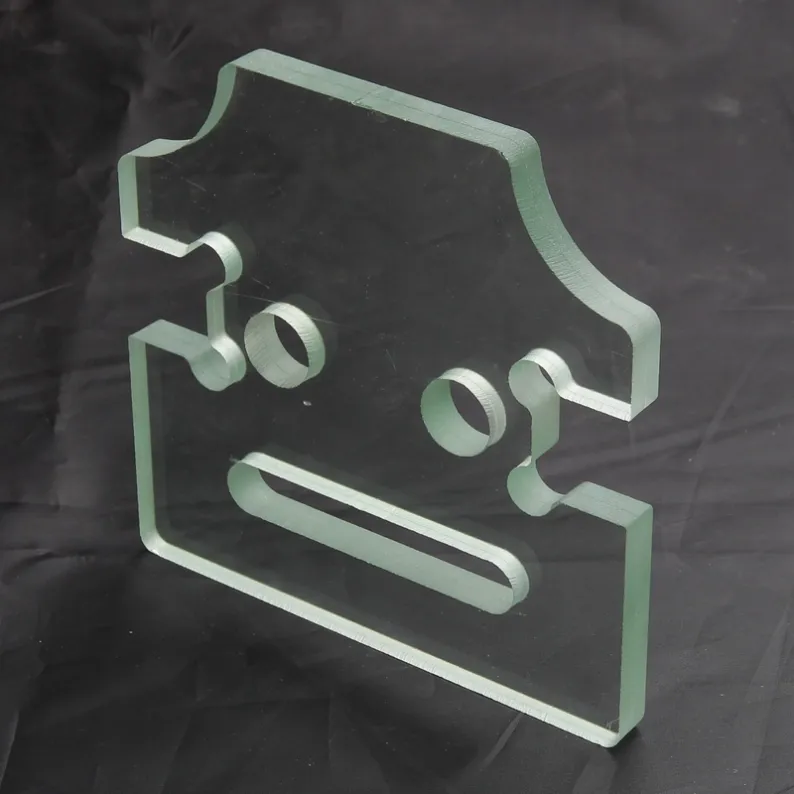
Reeded glass can be cut, edged, polished and processed to meet project needs. CNC fabrication allows for precise cutouts, shaped panels, and seamless integration with structural hardware. It can also be combined with other glass types to achieve layered visual effects or integrated environmental performance.
The textile‑like rhythm of reeded glass makes it ideal for creating visual continuity in large‑scale applications such as office walls, stair risers, reception desks or glass ceilings.
Common Applications of Reeded Glass
Because reeded glass elegantly balances privacy, light and texture, it is widely used in:
- Office interior partitions and meeting rooms
- Bathroom partitions and shower enclosures
- Retail display panels and showcase walls
- Architectural feature walls and façades
- Elevator lobbies and corridor accents
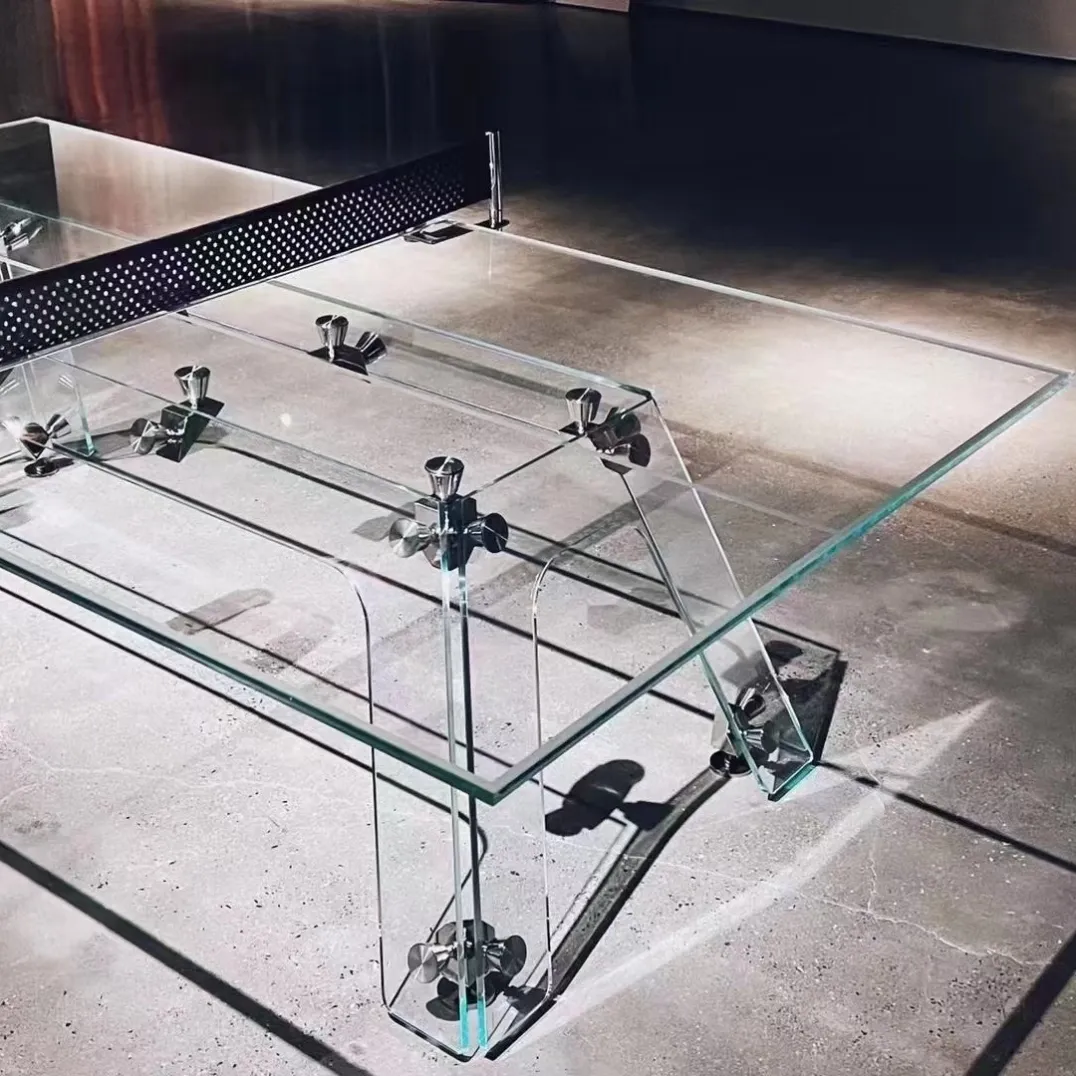
- Cabinet doors, shelving and decorative furniture panels
- Balustrade panels and stair rail elements
In both commercial and residential environments, designers depend on reeded glass to add visual depth and textural nuance while maintaining functional performance.
Combined Performance Benefits
When integrated into safety or performance glass systems, reeded glass delivers both aesthetic and functional advantages:
- Enhanced glare control
- Reduced direct sight lines
- Improved spatial depth and visual layering
- Enhanced safety with tempered or laminated configurations
- Improved thermal separation with insulated units
These combined benefits make reeded glass a compelling choice for contemporary building design.