What Is Self-Cleaning Glass?
Glass Knowledge & Technical Guides
What Is Self-Cleaning Glass? How It Works, Benefits and Applications
Exterior glass can be difficult and costly to maintain, especially on high-rise facades, skylights and hard-to-reach windows. Self-cleaning glass is designed to make this task easier through a coating that uses daylight and water to help keep the glass surface cleaner.
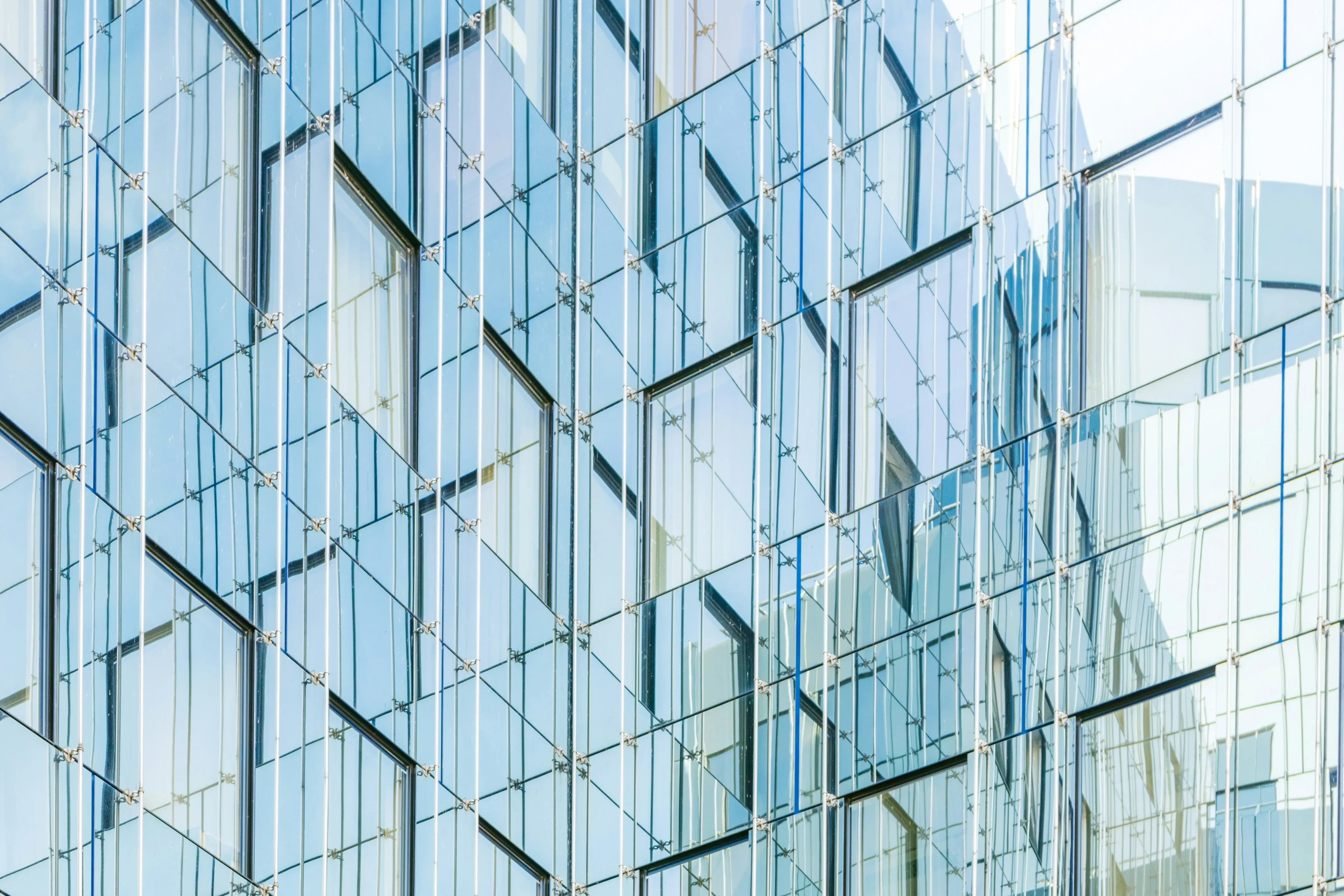
Large glass surfaces bring natural light, open views and a modern appearance to buildings. However, dust, airborne pollutants, rain residue and organic deposits gradually accumulate on exterior glazing. Regular cleaning can become a significant maintenance task, particularly for commercial facades and roof glazing.
Self-cleaning glass offers a practical way to reduce routine cleaning effort. It uses a specially engineered coating that combines photocatalytic and hydrophilic properties. Together, these properties help break down certain organic contaminants and allow water to rinse the surface more evenly.
But how does this technology work, and is it suitable for every building? This guide explains the basic principles, benefits, limitations and common applications of self-cleaning architectural glass.
In This Article
1. What Is Self-Cleaning Glass?
Self-cleaning glass is glass with a functional coating designed to help reduce the accumulation of dirt on its exposed surface. In many architectural products, the coating is a photocatalytic hard coat applied during glass production using an online chemical vapour deposition (CVD) process.
Unlike a conventional glass surface, the coated surface has two useful characteristics:
- Photocatalytic properties: Daylight activates the coating, helping it break down certain organic contaminants.
- Hydrophilic properties: Water spreads across the surface instead of forming isolated droplets, helping rinse away loosened dirt.
The coating is designed to be integrated with the glass surface. It is not simply a temporary cleaning liquid or a treatment that needs to be reapplied after every wash.
2. How Does Self-Cleaning Glass Work?
The cleaning effect relies on two complementary processes. The first helps break down organic dirt, while the second helps water rinse the surface.
Step 1: Photocatalytic Action — Breaking Down Organic Dirt
When daylight reaches the coated surface, it activates the photocatalytic material. This process helps decompose certain organic deposits that accumulate on the glass, such as some airborne organic residues.
The process does not depend exclusively on direct, bright sunshine. Daylight can still be available under overcast conditions, although the rate of activation varies with light intensity and environmental exposure.
Step 2: Hydrophilic Action — Rinsing with Water
The coating also makes the glass surface hydrophilic, meaning water tends to spread into a continuous sheet rather than forming separate droplets.
When rain or rinse water flows over the glass, it helps carry away loosened dirt and some inorganic particles. Because water spreads more evenly, the surface may dry with fewer visible spots and streaks compared with conventional glass under similar conditions.
These two processes work together: daylight helps break down organic contaminants, while water helps remove loosened deposits from the glass.
3. Key Benefits of Self-Cleaning Glass
Reduced Exterior Cleaning Effort
One of the main reasons to specify self-cleaning glass is to reduce the frequency and effort of routine exterior cleaning. This can be particularly useful for large glazing areas and locations where access equipment or specialist cleaning teams are required.
A Cleaner-Looking Glass Surface
The combination of photocatalytic and hydrophilic properties helps reduce certain types of dirt accumulation and visible water marks. This can help maintain a clearer appearance between cleaning cycles.
An Integrated Coating
With an online pyrolytic hard-coat process, the functional coating is formed during glass production. It is designed for long-term use under the specified installation and maintenance conditions.
Suitable for Large Exterior Glazing Areas
Self-cleaning glass can be considered for facades, skylights, conservatories and other exterior glazing where regular access for cleaning may be inconvenient.
4. Does Self-Cleaning Glass Really Work?
Yes, self-cleaning glass can help reduce dirt accumulation and routine cleaning effort, but it is important to understand what the technology can and cannot do.
The coating is designed to help break down organic contaminants and improve water rinsing. It does not mean that every type of dirt disappears automatically. Heavy deposits, mineral stains, construction residue, bird droppings and dirt in sheltered areas may still require manual cleaning.
An Important Distinction
Self-cleaning glass is designed to reduce maintenance, not eliminate it. Its effectiveness depends on daylight exposure, rainfall or rinsing, the local environment, glass orientation and the type of contaminants present.
For example, glass installed beneath deep overhangs may receive limited rainfall. In dry climates, occasional rinsing with clean water may be needed to support the water-assisted cleaning process.
5. Where Is Self-Cleaning Glass Used?
Self-cleaning glass is most useful where exterior glass maintenance is a concern. Typical applications include:
Building Facades
Suitable for selected commercial and residential facade applications, especially where exterior access is difficult.
Skylights & Roof Glazing
Can help reduce cleaning effort on overhead glass exposed to outdoor conditions.
Residential Windows
A potential option for houses, villas and apartment buildings with large exterior glazing areas.
Conservatories & Sunrooms
Can be considered for roof and exterior glazing where regular cleaning may be inconvenient.
6. Installation and Maintenance Considerations
Correct Coating Orientation
For the product described in this guide, the self-cleaning coating must face the exterior of the building, on surface #1. This applies whether the glass is used as a single pane or incorporated into an insulating glass unit (IGU).
Allow Time for Activation
The coating needs exposure to daylight to activate its functional properties. Several days of daylight exposure may be required after installation. The exact activation period depends on the product and environmental conditions.
Consider Local Weather Conditions
In many climates, natural rainfall can provide sufficient rinsing for routine maintenance. In dry climates or during long periods without rain, rinsing with clean water may be necessary.
Follow Approved Cleaning Instructions
Although the coating is designed as a hard coat, the glass should still be handled and cleaned according to the supplier's instructions. Avoid abrasive materials and unapproved chemicals that could damage the coated surface.
7. How to Choose Self-Cleaning Glass for Your Project
The right specification depends on the building design, glazing location and performance requirements. Before requesting a quotation, consider the following information:
- Application: Is the glass intended for a facade, skylight, roof glazing, conservatory or residential window?
- Glass dimensions: Confirm the required width, height and quantity.
- Glass thickness: Select a thickness based on structural, safety and project requirements.
- Glazing configuration: Confirm whether the glass will be used as a single pane or as part of an IGU, laminated unit or other assembly.
- Performance requirements: Review visible light, solar and thermal performance for the complete glazing build-up.
- Processing requirements: Confirm whether tempering, lamination, drilling, cutting or other processing is required and compatible with the selected coating.
If the glass is part of an energy-performance specification, do not rely on single-pane values alone. The complete assembly, including glass layers, cavity, gas fill, spacer and frame, should be evaluated for the project.
8. Frequently Asked Questions
Is self-cleaning glass completely maintenance-free?
No. It helps reduce the frequency and effort of cleaning, but occasional maintenance may still be necessary, particularly where heavy deposits or stubborn stains occur.
Does self-cleaning glass need direct sunlight?
The photocatalytic coating uses daylight to activate. Direct sunlight is not necessarily required at all times, but the rate of activation varies with available light and environmental conditions.
Can self-cleaning glass be used in double-glazed windows?
Yes, subject to the approved IGU design. The coated surface must face outdoors on surface #1. The complete glazing configuration should be confirmed before production.
Does rainwater clean self-cleaning glass?
Rainwater can help rinse away loosened dirt because the hydrophilic surface encourages water to spread evenly. In dry climates or sheltered locations, occasional rinsing may be needed.
Can self-cleaning glass be used for skylights?
It can be considered for skylights and roof glazing, subject to the project's structural, safety, thermal and coating-orientation requirements.
Is self-cleaning glass the same as Low-E glass?
No. Self-cleaning glass is designed to help reduce dirt accumulation and cleaning effort. Low-E glass is designed to control heat transfer and thermal radiation. They serve different purposes, and any combination must be checked for product compatibility.
Explore Glass Solutions
Considering Self-Cleaning Glass for Your Next Project?
True Glass supports architectural glass sourcing for contractors, subcontractors, fabricators and property owners. Share your project requirements with us, and we can help review suitable glass options, configurations and specifications.