What is digital printed glass?
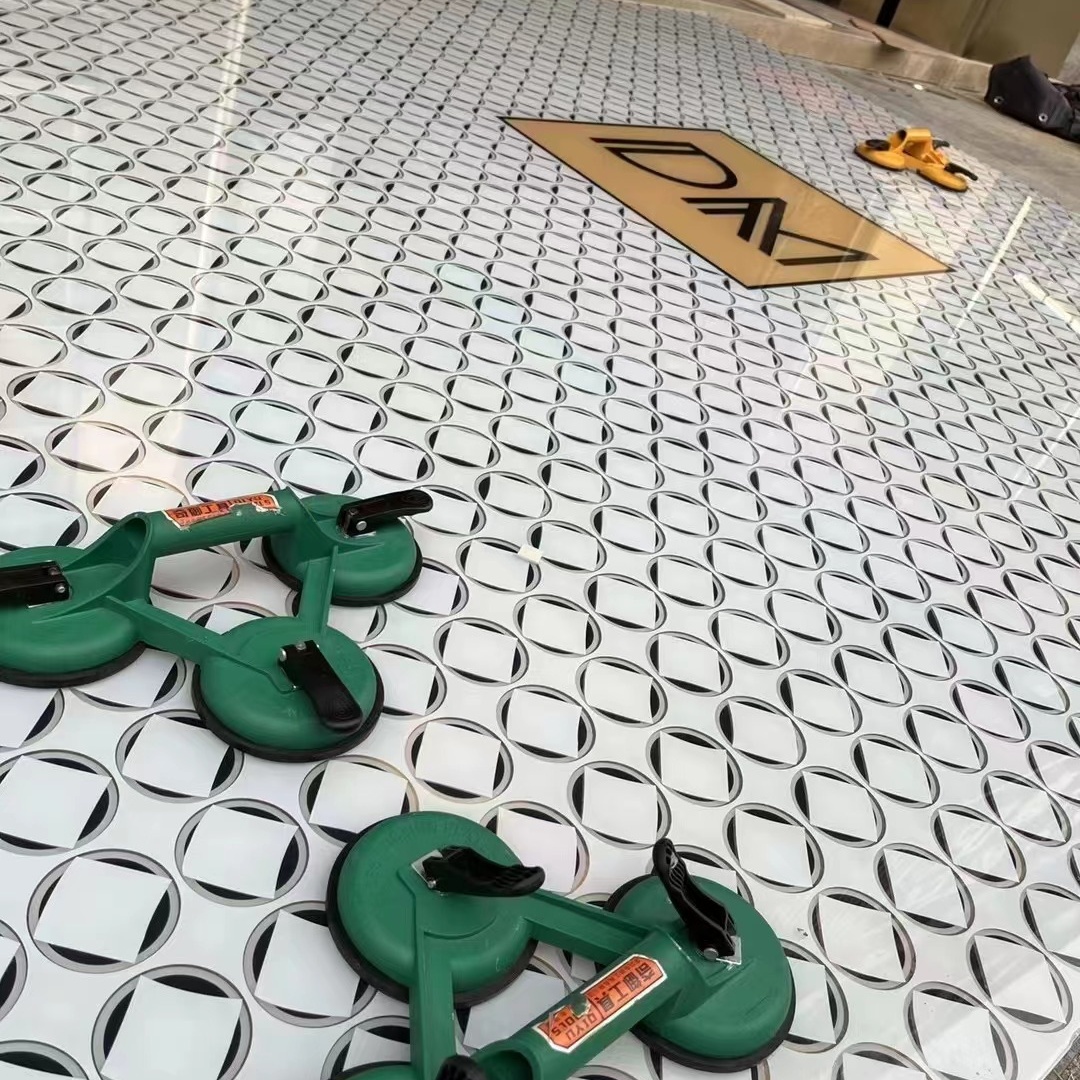
What is digital printed glass? Digital printed glass is glass decorated using ceramic digital printing technology and heat-treated to permanently fuse the design onto the surface.
Architectural Glass Guide
What Is Digital Printed Glass? Technology, Benefits & Applications
Digital printed glass brings custom graphics, patterns, and images into architectural glazing. Learn how digital ceramic printing works, how it compares with other printing methods, and what to consider when specifying printed glass for facades, retail interiors, partitions, and decorative applications.
Glass is widely used in modern architecture because it allows daylight into a space while creating a clean, contemporary appearance. With digital printing, it can also become a surface for custom graphics, branding, imagery, and decorative patterns.
Digital printed glass is glass decorated using a digitally controlled printing process. Instead of relying only on standard patterns or fixed-color designs, digital printing allows artwork to be tailored to a specific project. Applications range from branded retail interiors to decorative partitions and selected architectural facades.
The final appearance and performance depend on the printing technology, ink system, glass substrate, processing sequence, and installation environment. Digital ceramic printing and UV printing, for example, use different processes and should not be treated as equivalent.
The key to specifying printed glass: Start with the intended application and visual result, then select a compatible printing method and glass construction. Artwork, sample approval, and secondary processing should be considered together.
1. How Does Digital Printed Glass Work?
Digital printing transfers a digital design onto a prepared glass surface using a compatible printing system. The process can reproduce logos, illustrations, images, gradients, and repeating patterns, depending on the equipment and ink technology.
Although production methods vary, a typical project follows several stages:
STEP 01
Artwork Preparation
Review the design file, panel dimensions, print area, orientation, colors, and alignment requirements.
STEP 02
Glass Preparation
Prepare the glass substrate according to the selected printing process and planned fabrication sequence.
STEP 03
Digital Printing
Apply the selected ink or ceramic decoration using digitally controlled equipment.
STEP 04
Curing or Heat Processing
Complete the curing or firing process required by the chosen printing technology.
STEP 05
Inspection and Fabrication
Check the printed appearance and complete any compatible secondary processing required by the project.
The exact sequence matters. For example, ceramic printing intended to be fused during tempering must be compatible with the heat-treatment process. Other printing systems may require a different curing method and may have different limits for subsequent processing.
2. Digital Ceramic Printing vs. UV Printing on Glass
One of the most important decisions is choosing the appropriate printing technology. Digital ceramic printing is commonly considered for architectural glass that requires a durable ceramic finish, while UV printing may be appropriate for selected decorative and interior applications. Suitability depends on the actual ink system and product specification.
| Comparison | Digital Ceramic Printing | Digital UV Printing |
|---|---|---|
| Ink system | Ceramic inks formulated for the selected glass and firing process. | UV-curable inks cured by ultraviolet light. |
| Processing | For compatible products, ceramic ink is fired during a heat-treatment process. | Ink is cured using a UV process; subsequent heat treatment must be specifically confirmed. |
| Potential strengths | Suitable for selected architectural applications requiring a durable ceramic finish. | Can support detailed decorative graphics and selected custom interior designs. |
| Exterior use | May be suitable when the glass, ink, and complete assembly meet the project requirements. | Must be confirmed for the specific ink system, exposure conditions, and intended service life. |
| What to verify | Color appearance after firing, processing compatibility, and required performance evidence. | Adhesion, curing, surface durability, cleaning, and compatibility with further processing. |
Neither process should be selected based on the word “digital” alone. Ask the supplier to confirm the actual printing system and its suitability for the intended installation.
3. Key Benefits of Digital Printed Glass
Greater Design Flexibility
Digital printing supports a broad range of visual concepts, from logos and geometric patterns to illustrations and photographic imagery. This makes it useful when a project requires a distinctive design rather than a standard decorative pattern.
Customized Brand Expression
Retailers, hotels, offices, and commercial venues can incorporate brand colors, visual motifs, or custom artwork into glass surfaces. Printed glazing can help connect architectural details with a wider interior or brand concept.
Design Integration
Printed patterns can be coordinated with glass partitions, facade panels, feature walls, and selected laminated or insulated glazing configurations. This can reduce the need to apply a separate decorative graphic after installation, depending on the chosen system.
Functional Pattern Design
In addition to visual decoration, printed patterns may support privacy, partial screening, or selected solar-control strategies. Patterned glazing can also contribute to bird-friendly design when the pattern and placement are designed according to relevant guidance.
Project-Specific Production
Digital artwork can be adapted to individual panel layouts and coordinated with other glass processing requirements. Feasibility depends on panel dimensions, printing equipment, glass construction, and the planned fabrication sequence.
4. Common Applications of Digital Printed Glass
Retail Stores and Brand Environments
Custom printed glass can be used for shopfront features, display backgrounds, partitions, decorative panels, and other elements where brand identity and visual presentation are important. Artwork can be developed around a specific store concept or interior design.
Office Partitions and Reception Areas
Printed glass partitions can introduce branding, visual screening, or decorative graphics into meeting rooms and reception spaces. The design may be subtle and translucent or more visually prominent, depending on the ink system and artwork.
Architectural Facades and Spandrel Panels
Printed glass can be incorporated into selected facade and spandrel designs to create customized colors, imagery, or patterns. Exterior applications require careful review of weather exposure, heat treatment, visual consistency, glass construction, and facade-system requirements.
Hospitality and Public Interiors
Hotels, restaurants, museums, and exhibition venues can use printed glass for feature walls, decorative partitions, reception areas, and display elements. Bespoke artwork allows the glazing to support a project's theme or visual identity.
Bird-Friendly Architectural Design
Glass that reflects the sky or surrounding landscape can present a collision risk for birds. Appropriately designed visible patterns can help make glazing more apparent to birds. Digital printing may be one way to create these patterns, but effectiveness depends on pattern geometry, spacing, contrast, placement, and the applicable design guidance.
For projects where bird collision prevention is a priority, see the Bird-Friendly Glass page for further product information.
5. How to Specify Digital Printed Glass
A clear specification helps align the artwork, printed appearance, glass construction, and final installation. The following items are worth confirming before requesting a quotation.
Artwork and Print Layout
Provide the original artwork or highest-quality source file available. Include the finished panel dimensions, print area, orientation, pattern repeat, alignment references, and any requirements for matching adjacent panels.
Color and Visual Appearance
Identify color references and the intended viewing side. Glass clarity, ink characteristics, printing orientation, background conditions, and heat processing may affect the final appearance. A physical sample or mock-up can help establish expectations.
Glass Type and Safety Requirements
Confirm the glass type, thickness, dimensions, and whether tempering, heat strengthening, or lamination is required. The printing process must be compatible with the selected glass and processing sequence.
Installation Environment
Specify whether the glass will be installed indoors or outdoors and whether it will be exposed to sunlight, moisture, regular cleaning, or other demanding conditions. These details help determine the appropriate printing method and supporting performance requirements.
Secondary Processing
Identify edge polishing, drilling, notches, lamination, IGU assembly, or other required processing. Confirm the production sequence and feasibility before the artwork and glass specifications are finalized.
Practical tip: If the project involves multiple printed panels, provide a panel schedule and elevation drawings. This makes it easier to review artwork orientation, alignment, numbering, and color consistency across the installation.
6. Digital Printed Glass vs. Screen-Printed Glass
Digital printing is not the only way to apply a design to glass. Ceramic screen printing is another established option for architectural glazing. The best choice depends on the artwork, repeat pattern, production quantity, required appearance, and available equipment.
| Factor | Digital Printing | Screen Printing |
|---|---|---|
| Artwork | Well suited to customized graphics, detailed imagery, and design variation within equipment limits. | Often suited to established repeat patterns and designs produced using prepared screens. |
| Setup | Digital artwork preparation and printer setup are required. | Screens need to be prepared for the required design and colors. |
| Design changes | Artwork changes can often be made through the digital file, subject to production constraints. | Design or color changes may require new or revised screens. |
| Project suitability | Useful when graphic complexity or design customization is a priority. | May be suitable for repeated patterns or established designs, depending on quantity and process. |
Neither method is automatically more cost-effective for every project. Production quantity, design complexity, color requirements, equipment capability, and processing steps should all be considered when comparing options.
7. Sourcing Digital Printed Glass for Custom Projects
Custom printed glass orders often involve more than selecting a color or submitting an image. Artwork, glass dimensions, heat treatment, edgework, laminated or insulated configurations, and installation requirements may all affect production feasibility.
True Glass supports project-based sourcing and coordination for architectural and decorative glass. By reviewing the available drawings, artwork, specifications, and delivery requirements, we can help coordinate potential production options and identify the details that need confirmation before an order proceeds.
For a quotation, share the project location, panel schedule, glass thickness, artwork, required printing method, and any secondary processing. If the project requires a sample or mock-up, please include that in the initial inquiry so it can be considered during planning.
Frequently Asked Questions
Can digital printed glass reproduce a full-color image?
Many digital printing systems support full-color graphics, images, and gradients. The achievable detail and color appearance depend on the equipment, ink system, glass substrate, and artwork quality. Confirming a sample is recommended for color-critical projects.
Does digital ceramic printing fade or peel?
When a compatible ceramic ink is properly fired and fused to the glass, the printed finish can offer strong durability for its intended application. Actual performance depends on the product, processing quality, exposure, and applicable testing. Other digital printing systems may have different durability characteristics.
Can digital printed glass be used outdoors?
Selected ceramic-printed products can be suitable for exterior use. The ink system, glass construction, exposure conditions, and facade requirements should be confirmed. Do not assume every UV-printed or digitally decorated glass product is suitable for exterior installation.
Can printed glass be laminated?
Yes, selected printed glass products can be incorporated into laminated constructions when the print method, surface orientation, interlayer, and processing sequence are compatible. The intended assembly should be confirmed before production.
Is digital printed glass suitable for privacy?
Printed patterns and opaque areas can provide varying degrees of visual screening, depending on the design, coverage, glass transparency, and viewing conditions. If a specific privacy level is required, it should be defined and checked through a sample or mock-up.
What files should I send for a quotation?
Provide artwork files, panel dimensions, quantities, glass thickness, required printing technology, print orientation, color references, and the intended application. Drawings and panel schedules are especially useful for multi-panel facade or interior projects.
Plan Your Printed Glass Project
Ready to Turn Your Artwork into Glass?
Send your artwork, drawings, panel dimensions, and project requirements. True Glass can help coordinate suitable digital printing and glass fabrication options for your project.
Explore the Product Request a Quote