Anti-Glare vs Anti-Reflective Glass
Learn the difference between anti-glare and anti-reflective glass, including how they work, their optical effects, applications and how to choose the right solution.
Glass Knowledge · Optical Performance
Anti-Glare vs. Anti-Reflective Glass: What Is the Difference?
Anti-glare glass and anti-reflective glass both help improve visual comfort, but they work in different ways. Discover the differences in coating technology, surface appearance, optical performance and applications to help select the right glass for your project.
In This Article
1. The Main Difference at a Glance
The main difference lies in how each glass type controls reflected light.
AR GLASS
Anti-Reflective Glass
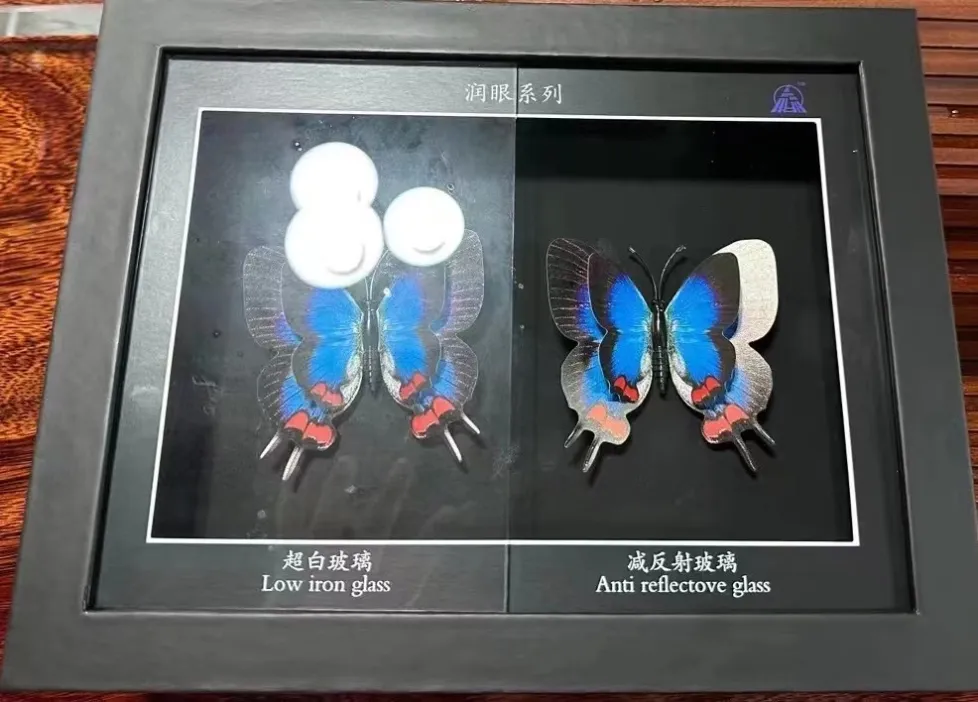
Uses an optical coating to reduce surface reflection, helping more light pass through and making objects behind the glass easier to see.
AG GLASS
Anti-Glare Glass
Typically uses a textured or etched surface to diffuse reflected light, helping reduce distracting bright reflections in the intended viewing environment.
In simple terms, AR glass aims to reduce the amount of light reflected from the surface, while AG glass changes how reflected light is distributed. Neither type automatically eliminates all reflections or glare under every lighting condition.
2. What Is Anti-Reflective Glass?
Anti-reflective glass, also known as AR glass, is glass with an optical coating designed to reduce visible light reflection at the glass surface. The coating is engineered to reduce reflected light over a specified wavelength range while allowing more light to pass through.
By reducing reflected images, AR glass can help viewers see objects, colors and details with less visual interference. This makes it useful for applications where a clear view through the glass is important.
Key Characteristics of AR Glass
- Uses an optical coating rather than relying primarily on a rough or matte surface.
- Can achieve low visible light reflectance and high visible light transmittance, depending on the product.
- Typically maintains a smooth viewing surface, although appearance varies by coating design.
- Requires product-specific checks for cleaning, durability and further processing.
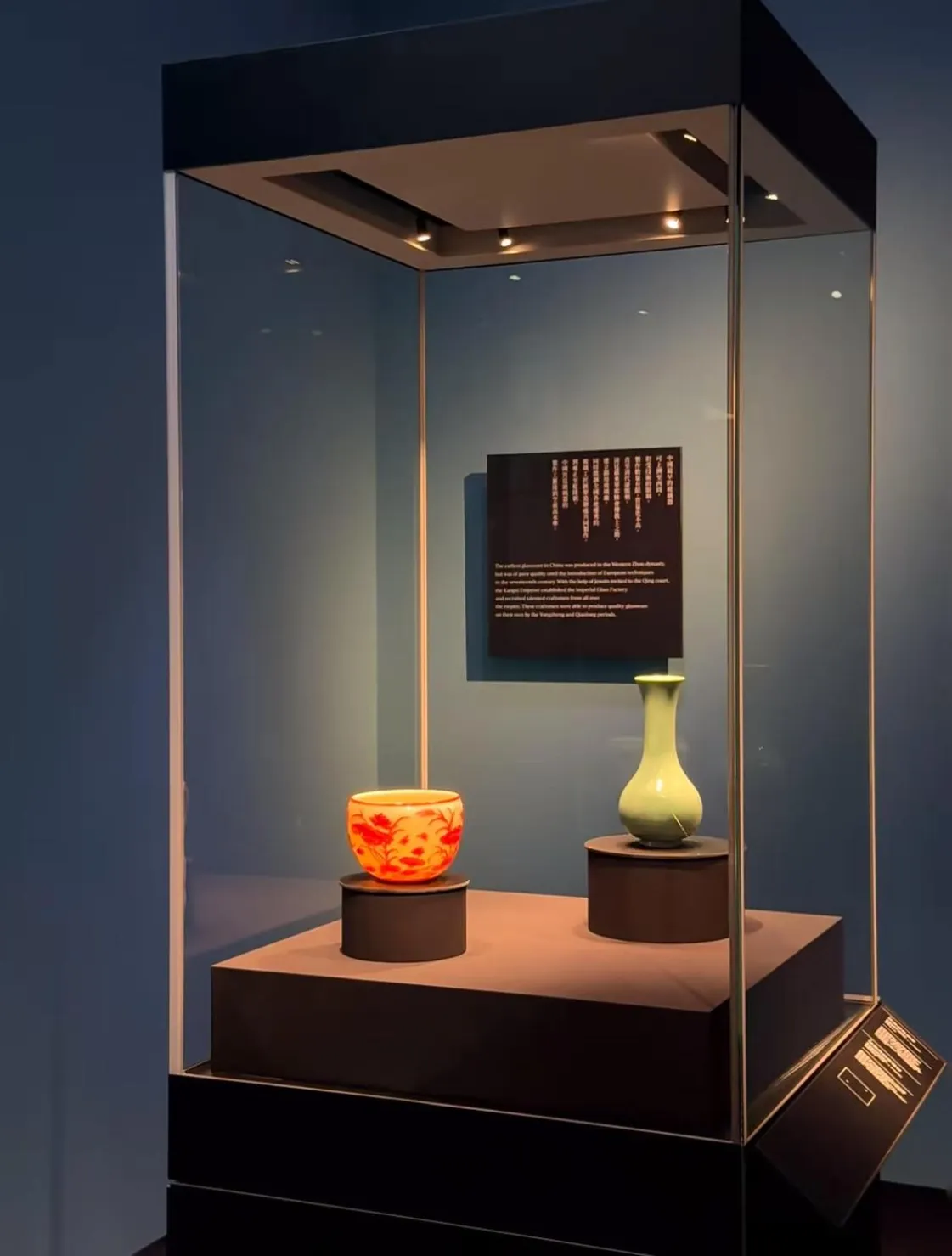
AR glass is often considered for museum display cases, premium retail showcases, picture framing and selected architectural applications. For product options and project requirements, see our Anti-Glare & Anti-Reflective Glass page.
3. What Is Anti-Glare Glass?
Anti-glare glass, commonly called AG glass, is designed to reduce distracting glare by diffusing reflected light. A common approach is to create a controlled microscopic texture through surface etching or another approved surface treatment.
Instead of reflecting light in a concentrated, mirror-like direction, a textured surface spreads reflected light over a wider range of directions. This can make reflections less visually intense from a particular viewing position.
Key Characteristics of AG Glass
- Often features a matte, satin or textured surface.
- Diffuses reflected light rather than relying solely on optical interference to reduce reflection.
- May help improve screen or information-panel readability in certain lighting conditions.
- Surface texture can affect image sharpness, contrast, haze and cleaning requirements.
AG glass is commonly used in display screens, touch panels, control interfaces and information displays. The appropriate surface treatment depends on the display technology, viewing distance, ambient lighting and required image quality.
Important distinction: Scattering reflected light does not necessarily mean the total reflected light has been reduced. AG glass may make a reflection less concentrated or less mirror-like, while also introducing haze or reducing image clarity. Check the relevant optical data for the intended application.
4. AR Glass vs. AG Glass: Key Differences
Although the terms are sometimes used interchangeably in casual product descriptions, AR and AG glass use different approaches and can produce noticeably different visual effects.
| Feature | Anti-Reflective Glass (AR) | Anti-Glare Glass (AG) |
|---|---|---|
| Main approach | Optical coating reduces reflection | Surface texture diffuses reflected light |
| Surface appearance | Usually smooth and clear | Often matte or textured |
| Reflection behavior | Aims to reduce the amount of reflected light | Spreads reflected light over a wider range of directions |
| Image clarity | Designed to maintain clear viewing; actual results depend on the product | Surface scattering may reduce sharpness or contrast |
| Parameters to check | Visible reflectance, transmittance, color and coating durability | Haze, gloss, transmittance, image clarity and surface finish |
| Typical applications | Museum cases, premium showcases, selected architectural glazing | Screens, control panels, information displays |
Performance cannot be judged from the product name alone. Coating design, surface texture, substrate, thickness, lighting and test method can all affect the final result.
5. Which Glass Is Better for Different Applications?
Museums and Art Displays
AR glass is often worth considering when visitors need to see artwork or exhibits through glazing with minimal reflected images. The final specification should also account for conservation requirements, safety and cleaning.
Luxury Retail and Jewelry Showcases
AR glass can help customers see merchandise more clearly by reducing reflected images on the display glass. Sample evaluation under the store's actual lighting is useful because spotlights and dark interiors can make residual reflections more noticeable.
Screens and Control Panels
AG glass may be appropriate when reflections make screen content difficult to read. However, haze and touch performance must be considered. AR treatments may also be used in some display systems, depending on the design requirements.
Architectural Glazing
For shopfronts, viewing areas and facades, the decision should be based on the required appearance, reflection target, durability, safety performance and environmental exposure. Do not assume that an AG surface treatment is a direct substitute for an AR coating in architectural glass.
6. How to Choose the Right Glass
Before requesting a quotation, define the visual problem you need to solve. This helps suppliers recommend a product based on measurable requirements rather than a general label such as “anti-glare” or “low reflection.”
- Identify the viewing objective. Is the priority to see through the glass with minimal reflection, or to reduce the intensity of reflected light on a screen?
- Confirm the optical performance. For AR glass, request visible light reflectance and transmittance. For AG glass, ask for haze, gloss and relevant clarity measurements, as applicable.
- Specify the glass construction. Confirm substrate, thickness, dimensions, coating or treatment location, and whether the product will be tempered, laminated or incorporated into an insulating glass unit.
- Check processing and durability. Verify that the selected product is suitable for the required cutting, edgework, heat treatment, lamination, cleaning and installation conditions.
- Evaluate a representative sample. Check appearance under realistic lighting and viewing angles. For display applications, review both the view through the glass and the reflection seen from the viewer's side.
Where a project requires both low reflection and reduced glare, ask the supplier whether a suitable combined optical solution exists. Do not assume that AR and AG treatments can simply be combined or that every product is compatible with the same processing sequence.
Frequently Asked Questions
Are anti-glare glass and anti-reflective glass the same?
No. AR glass typically uses an optical coating to reduce surface reflection, while AG glass commonly uses surface texture to diffuse reflected light. Their appearance and optical performance can differ significantly.
Which is better: AR glass or AG glass?
Neither is universally better. AR glass is generally considered when reducing reflected images and maintaining a clear view are priorities. AG glass is often considered when diffusing distracting reflections is important, particularly for screens and display surfaces.
Does AG glass reduce total reflection?
Not necessarily. AG surface texture primarily redistributes reflected light. It can make reflections less concentrated, but this is different from reducing the total amount of reflected light through an optical AR coating.
Does anti-reflective glass have a matte surface?
AR glass is generally designed to reduce reflection through an optical coating and commonly retains a smooth surface. The exact appearance depends on the product design.
Can AR glass or AG glass be tempered?
It depends on the specific coating or surface treatment. Confirm processing compatibility, coating orientation and the manufacturer's instructions before production. Do not assume all AR or AG products can be tempered.
Can these products be used in architectural projects?
Some products may be suitable for selected architectural applications. Suitability depends on durability, safety requirements, environmental exposure, fabrication and the complete glass assembly. Obtain product-specific technical documentation before specification.
Need Help Selecting the Right Glass?
Share your application, glass dimensions, required optical performance and processing needs with True Glass. We can help review suitable sourcing options for your project.
Explore Glass Solutions Request a QuoteEmail: sales@true-glass.com