Glass Types for Curtain Walls: A Complete Specification Guide
Quick Answer: Curtain wall systems commonly use insulated glass units incorporating tempered or heat-strengthened glass, Low-E coatings, solar-control coatings and, where required, laminated glass. The final configuration should be determined by structural, thermal, solar, acoustic and project-specific requirements.
Glass Types for Curtain Walls
Glass is a critical component of a curtain wall system. Because curtain walls can contain large glazed areas, the selected glass affects both the visual appearance and performance of the building envelope.
1. Insulated Glass Units
Modern commercial curtain walls frequently use double- or triple-glazed IGUs.
An IGU can combine multiple glass lites, an insulating cavity, gas filling and coatings to achieve specific thermal performance targets.
2. Low-E Glass
Low-E coatings are commonly incorporated into curtain wall glazing to reduce heat transfer and improve building energy performance.
The coating position should be considered together with the IGU configuration, climate, facade orientation and required solar performance.
3. Solar-Control Glass
Large curtain wall areas can receive significant solar radiation. Solar-control glazing can help reduce unwanted solar heat gain while maintaining suitable daylight levels.
4. Tempered and Heat-Strengthened Glass
Glass used in curtain walls may require thermal strengthening depending on the design and project requirements.
The choice between tempered and heat-strengthened glass should consider the required strength, thermal conditions, safety requirements and project specification.
5. Laminated Glass
Laminated glass may be specified where post-breakage retention, acoustic performance, security or other specialized performance is required.
6. Glass Appearance
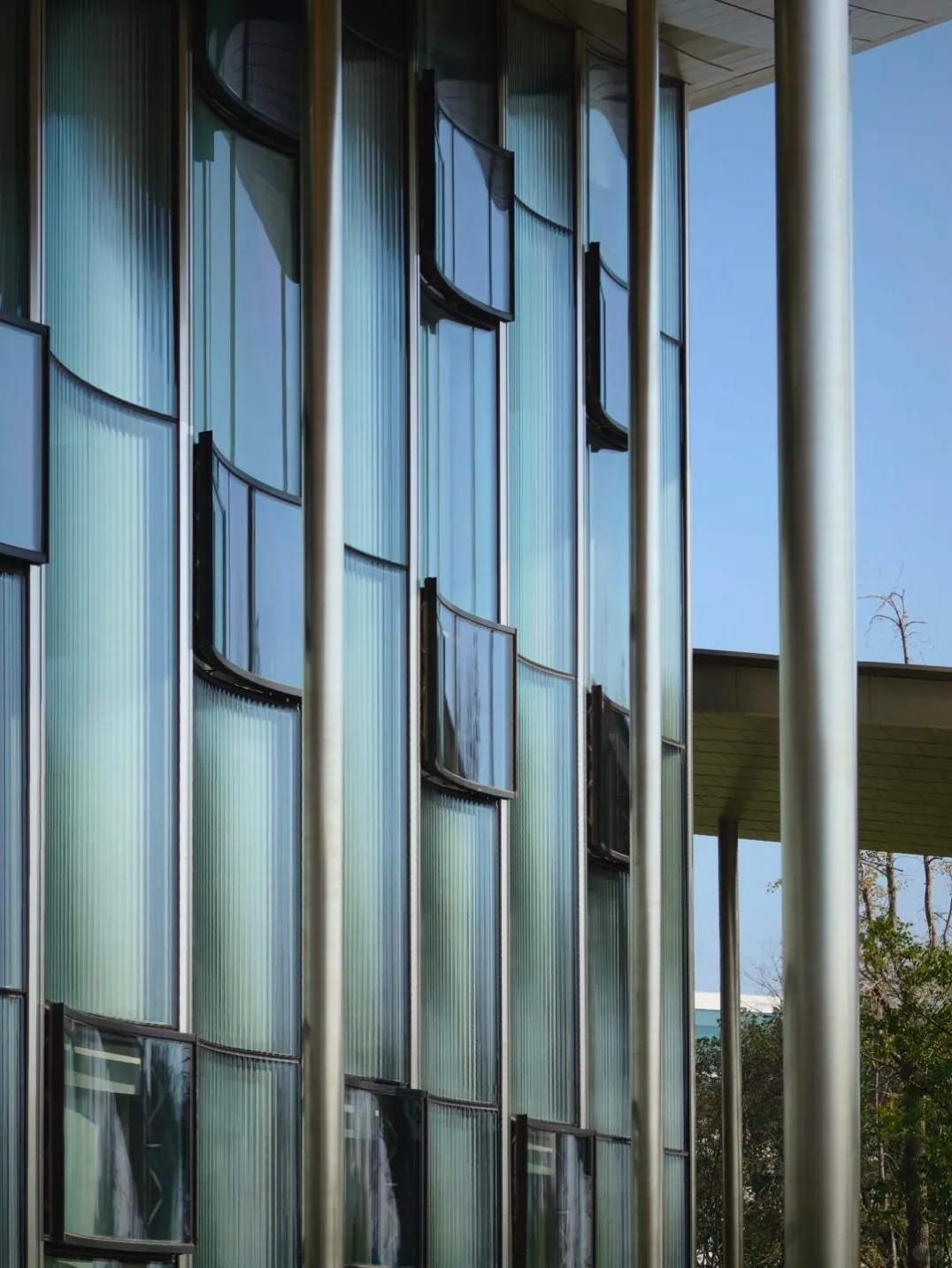
Curtain wall glass can have a major visual effect on the building. Designers should consider visible light transmission, reflectance, color, coating appearance and potential visual distortion.
7. Structural Considerations
Glass thickness and configuration should be determined based on panel dimensions, support conditions and design loads. Wind load calculations may be required before the final glass build-up is selected.
8. Thermal and Energy Performance
For high-performance curtain walls, glass should be evaluated as part of the complete glazing system rather than as an isolated component.
Important parameters may include U-value, SHGC, visible light transmission and overall IGU configuration.
Curtain Wall Glass Specification Checklist
- Glass size and thickness
- Tempered or heat-strengthened requirement
- Laminated glass requirement
- IGU configuration
- Low-E coating
- Solar-control performance
- U-value and SHGC targets
- Visible light transmission
- Acoustic requirements
- Color and reflectance
- Edgework and fabrication
- Applicable project standards
For complex curtain wall projects, True Glass can review drawings and specifications before production to help confirm the proposed glass configuration.
Need Curtain Wall Glass?
Send your facade drawings, glass schedule or project specification for review and quotation.
Contact True Glass