How to Choose the Right Glass for a Commercial Building
Quick Answer: Choosing glass for a commercial building requires more than selecting a thickness. The right glass configuration should balance safety, structural performance, thermal insulation, solar control, acoustic performance, appearance, fabrication requirements and project standards.
How to Choose the Right Glass for a Commercial Building
Glass is one of the most important building-envelope materials in a commercial project. It affects daylight, energy performance, occupant comfort, safety, architectural appearance and even long-term operating costs.
For this reason, commercial glass should be selected according to the complete project requirements rather than by thickness or appearance alone.
1. Start With the Building Application
The first step is to determine where the glass will be installed. A curtain wall, entrance door, railing, interior partition and museum display case can have completely different requirements.
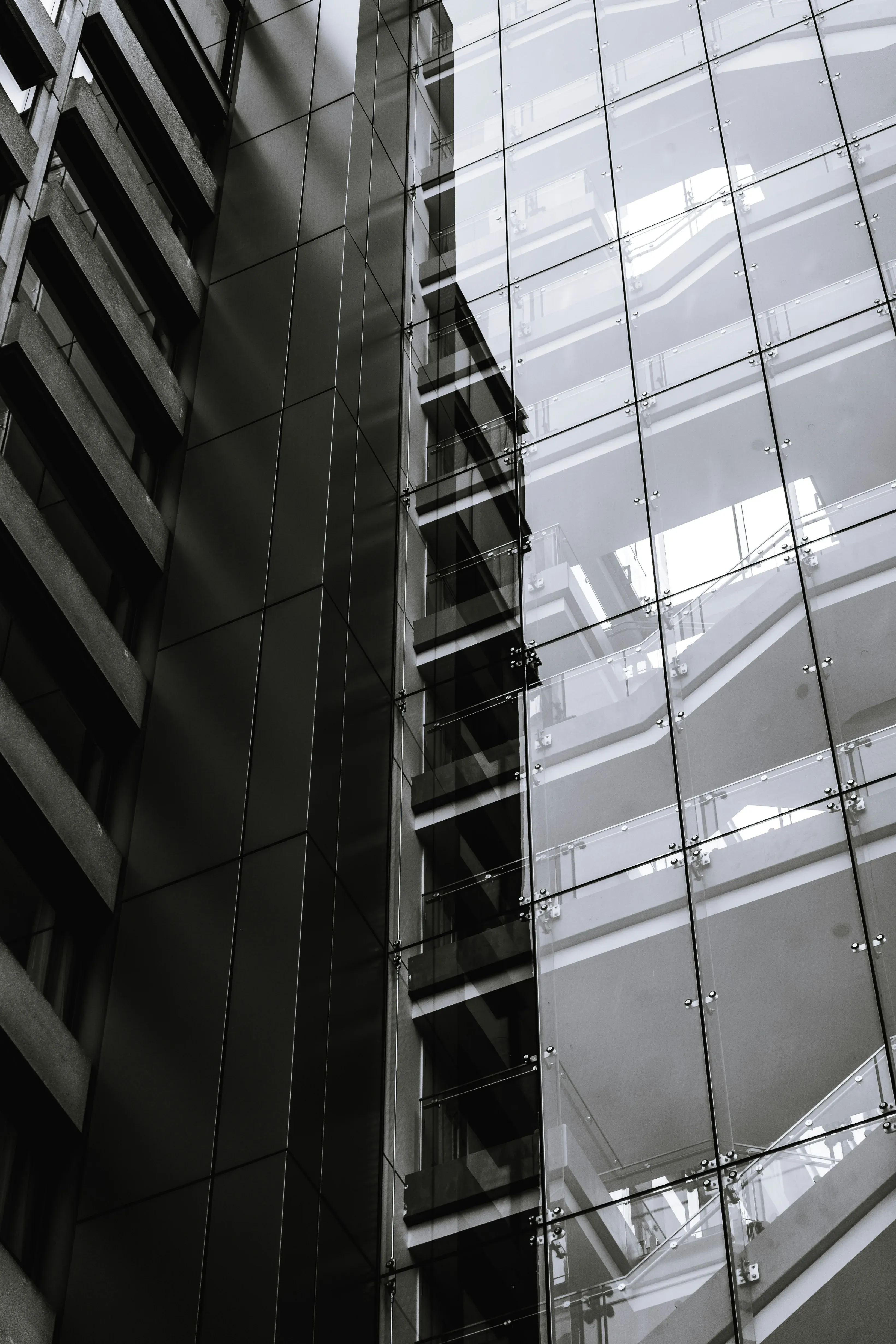
- Curtain walls and facades may require insulated, Low-E, solar-control or laminated glass.
- Doors and windows commonly require safety glass and may also require thermal performance.
- Railings and balustrades often require laminated safety glass.
- Interior partitions may prioritize privacy, acoustics or decorative appearance.
- Museum and retail glazing may require low-reflection or anti-reflective glass.
2. Consider Safety Requirements
Safety is usually the first technical consideration for architectural glass. Depending on the application, a project may require tempered glass, heat-strengthened glass, laminated glass or a combination of these.
For example, laminated glass can provide post-breakage glass retention, while tempered glass provides increased thermal and mechanical strength.
3. Evaluate Thermal Performance
Exterior commercial glazing can have a major impact on building energy performance. For facade and window applications, consider the glass U-value, solar heat gain, visible light transmission and overall IGU configuration.
For high-performance glazing, an Insulated Glass Unit (IGU) can combine multiple glass lites, an insulating cavity and optional Low-E coatings to achieve the required thermal performance.
4. Check Solar Control Requirements
Buildings in hot or high-solar-load climates may need glass that limits unwanted solar heat gain while maintaining sufficient daylight.
Low-E and solar-control glass can be selected according to the project's energy model and facade orientation. The best configuration for a north-facing facade may not be the same as one required for a west-facing facade.
5. Consider Acoustic Performance
Commercial buildings near airports, highways, railways or busy urban areas may require enhanced acoustic performance.
Glass thickness, laminated interlayers, pane asymmetry and IGU configuration can all affect sound insulation. Acoustic requirements should therefore be defined before finalizing the glass build-up.
6. Define the Desired Appearance
Architectural glass is also an important visual element. Depending on the project, designers may specify clear, tinted, reflective, frosted, patterned, printed or anti-reflective glass.
For interior privacy applications, Frosted / Acid-Etched Glass can provide light diffusion and visual privacy without using an applied film.
For museum and retail applications, Anti-Reflective Glass can reduce surface reflection and improve visibility through the glazing.
7. Confirm Glass Processing Requirements
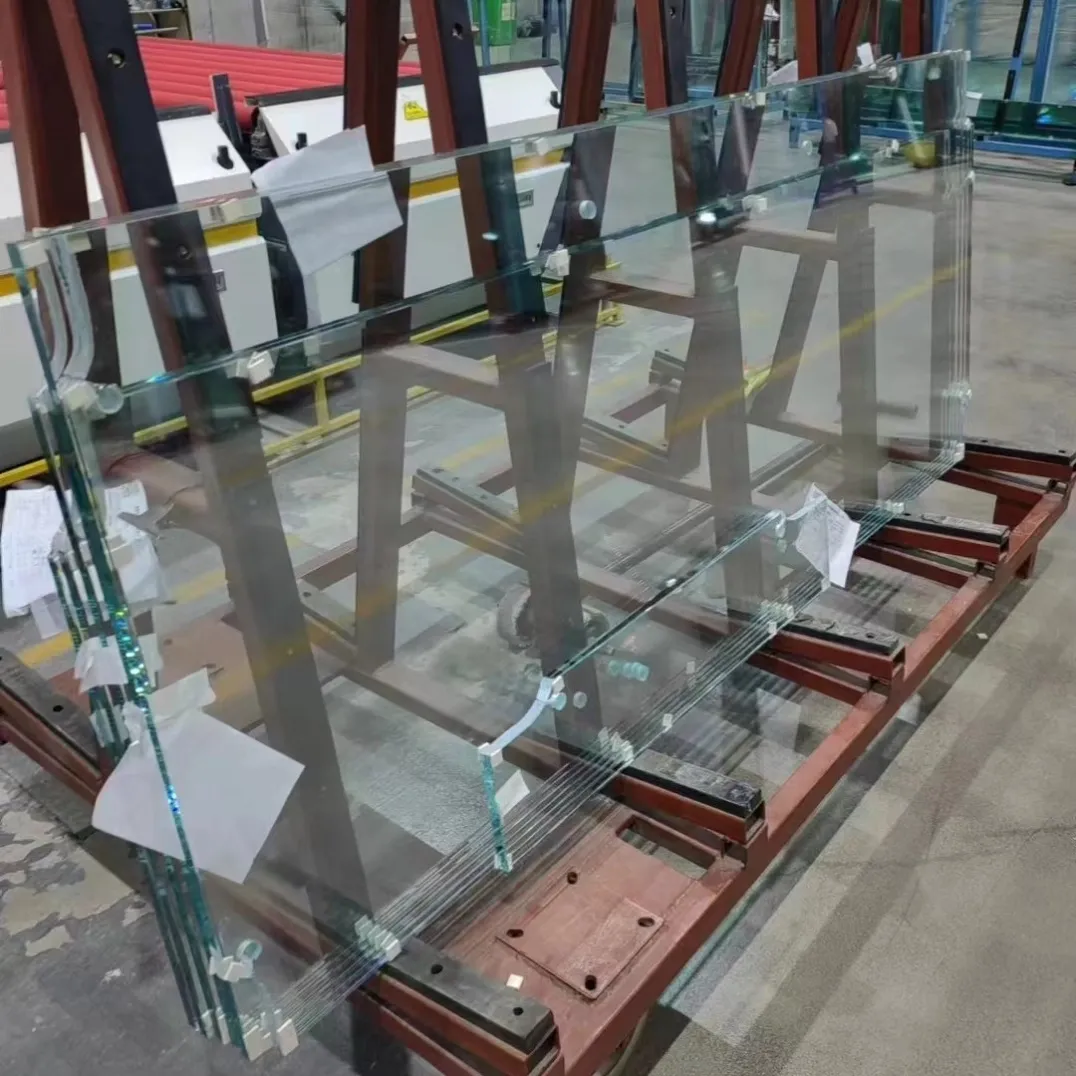
Commercial glass frequently requires fabrication before installation. Typical requirements include cutting, drilling, notches, polished edges, holes, cutouts, lamination, insulation, ceramic printing or bending.
These requirements should be included in the quotation request because processing can affect both cost and production lead time.
8. Review Project Standards
Before placing an order, review the project specifications and applicable standards. Requirements may cover glass type, thickness, safety performance, dimensional tolerances, visual quality, coating performance, testing and documentation.
Commercial Glass Selection Checklist
- Application and installation location
- Glass dimensions and quantity
- Required glass composition
- Safety requirements
- Thermal and solar performance
- Acoustic requirements
- Appearance and color
- Processing requirements
- Applicable project standards
- Delivery location and schedule
Work With a Project-Specific Glass Supplier
For commercial projects, the most reliable approach is to provide the complete specification, drawings and application information to the glass manufacturer before production. This allows the supplier to review feasibility, identify potential issues and recommend an appropriate configuration.
Need Help Selecting Commercial Glass?
Send your drawings, specifications and project requirements to True Glass for technical review and a customized quotation.
Contact True Glass