What Is Architectural Glass?

Quick Answer: Architectural glass refers to glass products engineered, processed, or specified for use in building construction and architectural applications. Depending on the project requirements, architectural glass can provide safety, structural performance, thermal insulation, solar control, acoustic performance, security, privacy, and decorative effects.
What Is Architectural Glass?
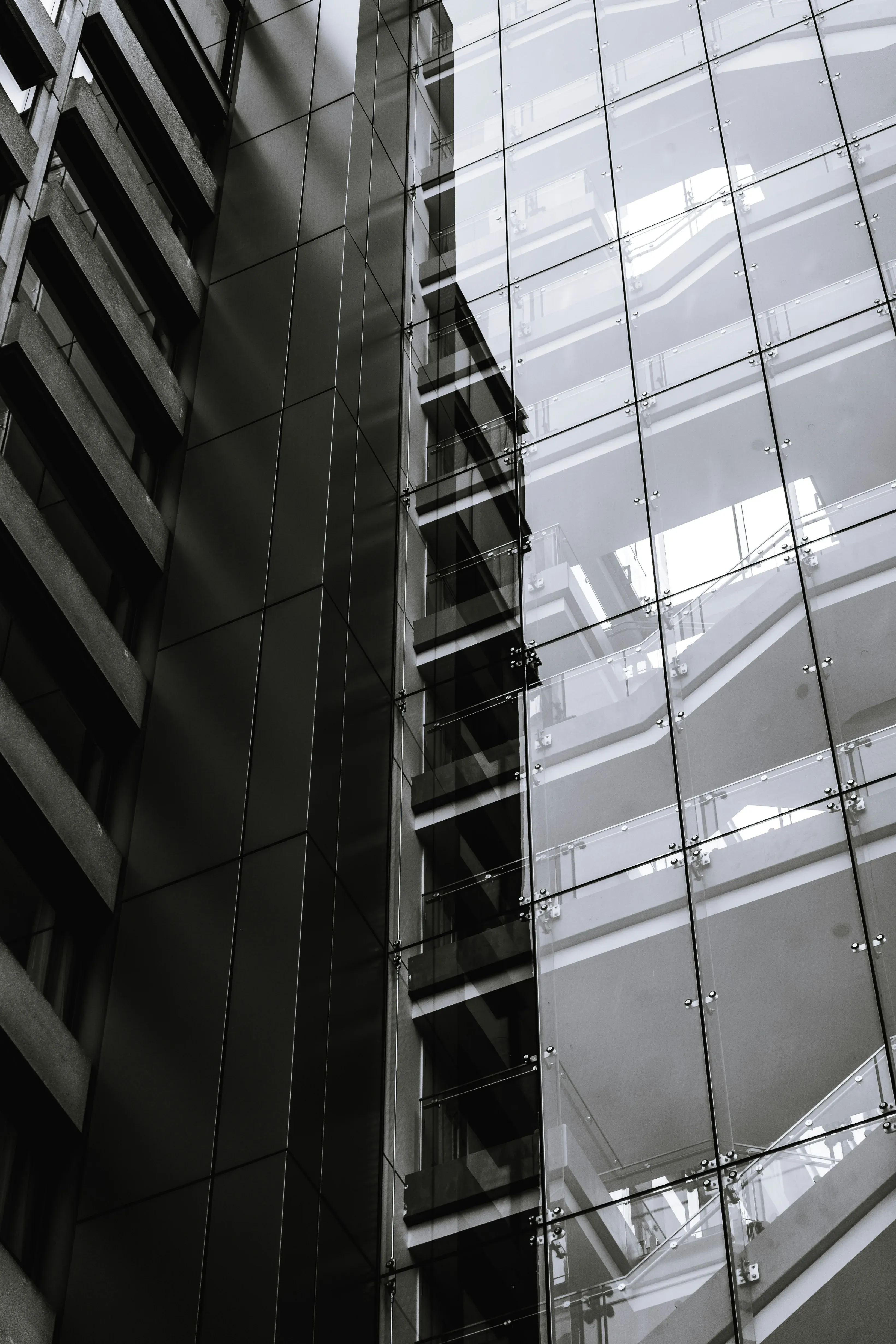
Architectural glass is glass manufactured or processed specifically for use in buildings, facades, interiors, doors, windows, railings, skylights, partitions, and other architectural applications.
Unlike standard glass used for general-purpose applications, architectural glass is typically selected according to specific project requirements such as safety, thermal performance, solar control, structural strength, acoustic insulation, appearance, and fabrication requirements.
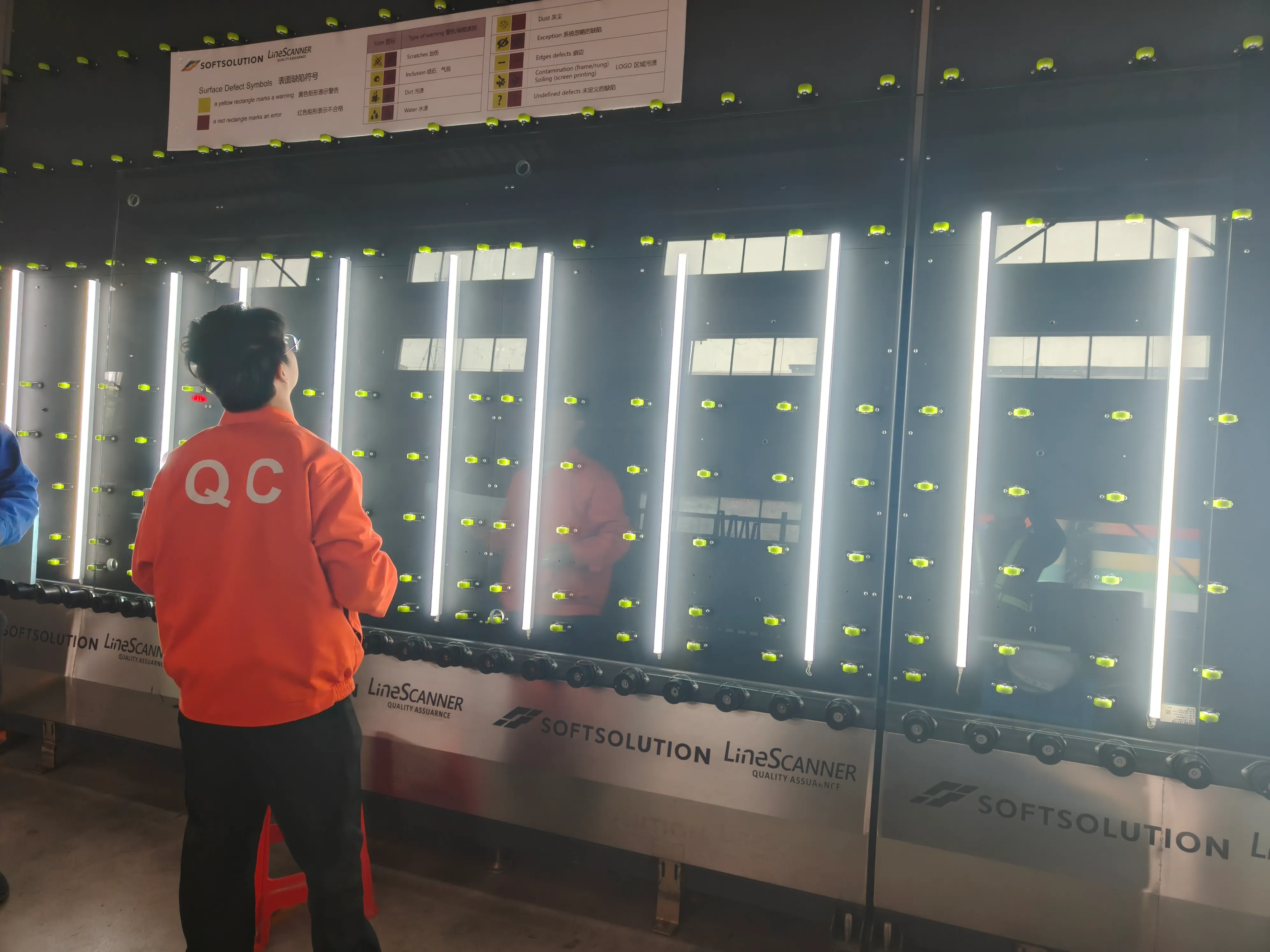
Architectural glass can also be further processed through tempering, heat strengthening, lamination, insulation, coating, bending, ceramic frit application, digital printing, edge processing, drilling, cutting, and other fabrication methods.
Main Types of Architectural Glass
There is no single type of architectural glass suitable for every project. The appropriate glass configuration depends on the building application, performance requirements, local regulations, design intent, and fabrication requirements.
1. Float Glass
Float glass is the basic flat glass used as a starting material for many architectural glass products. It can be further processed into tempered glass, laminated glass, insulated glass units, coated glass, decorative glass, and other customized products.
For projects requiring standard clear glass or a base glass for further processing, see our Float Glass product page.
2. Tempered Glass
Tempered glass is heat-treated to increase its mechanical strength and thermal resistance. When broken, it generally breaks into smaller particles rather than large sharp shards, making it suitable for many safety-related architectural applications.
Tempered glass is widely used for doors, shower enclosures, partitions, railings, facades, windows, and other applications where safety and strength are important.
3. Laminated Glass
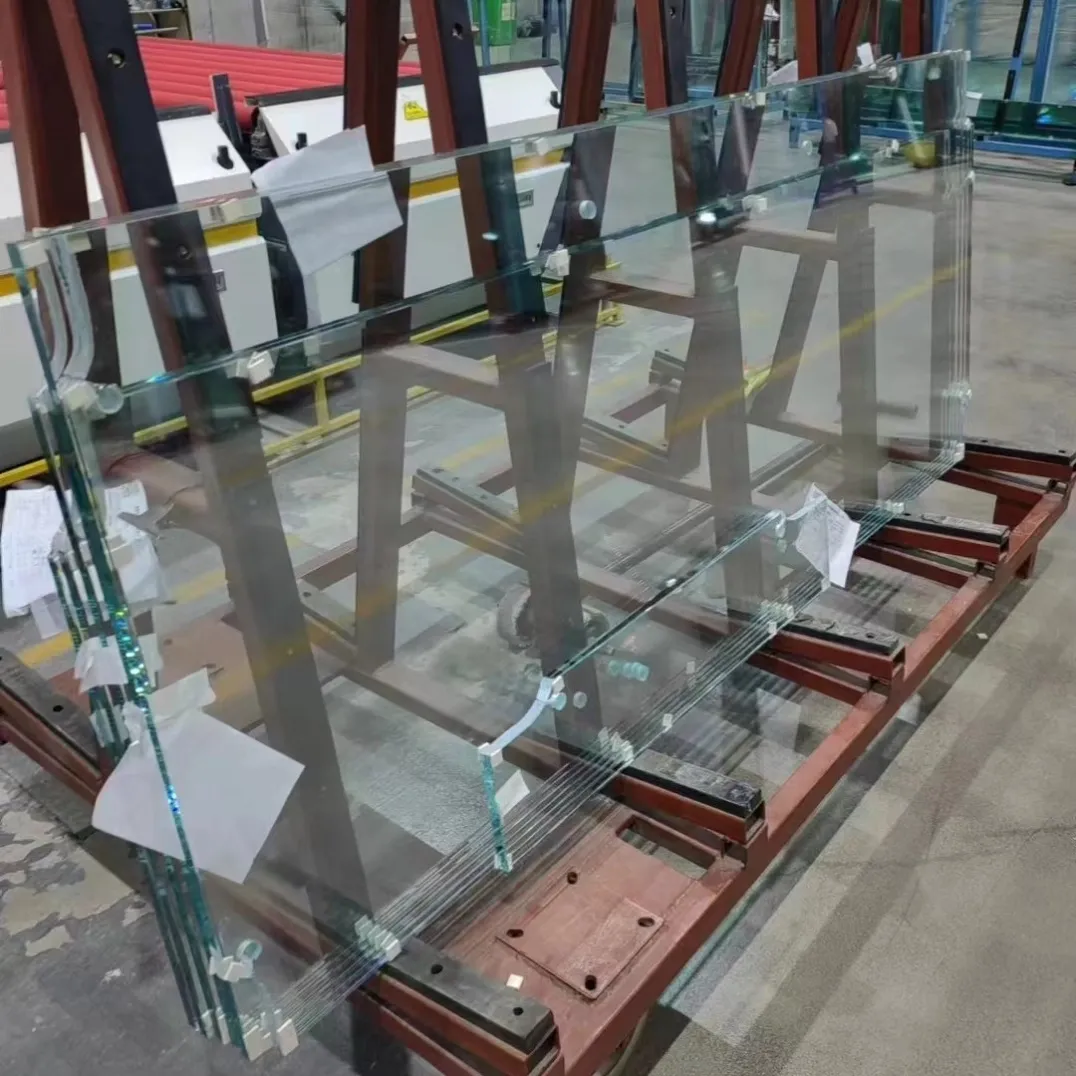
Laminated glass consists of two or more glass lites bonded together with an interlayer such as PVB or SentryGlas® (SGP). The interlayer helps retain the glass fragments after breakage and can also provide additional acoustic, security, UV-control, or design benefits depending on the configuration.
Laminated glass is commonly specified for curtain walls, balustrades, overhead glazing, skylights, doors, security applications, and areas where post-breakage retention is important.
4. Insulated Glass Units (IGUs)
An Insulated Glass Unit, commonly known as an IGU or double glazing unit, consists of two or more glass panes separated by a spacer and sealed around the perimeter. The cavity can be filled with air or an insulating gas such as argon.
IGUs are primarily used to improve thermal insulation and can be combined with Low-E or solar-control coatings to achieve specific energy-performance requirements.
Learn more about our Insulated Glass Units for commercial and architectural applications.
5. Low-E and Solar Control Glass
Low-E glass uses a low-emissivity coating to reduce heat transfer through the glazing system. Solar-control glass is designed to reduce unwanted solar heat gain while maintaining the desired level of daylight and visual appearance.
These products are frequently used in commercial facades, curtain walls, windows, and other projects where energy performance and solar control are important.
6. Curved and Bent Glass
Curved glass is manufactured by heating and forming flat glass into a specified radius or shape. It can be used for curved curtain walls, entrance systems, staircases, balustrades, display areas, and other architectural features.
For customized curved glazing requirements, see our Curved & Bent Glass product page.
7. Decorative and Specialty Glass
Architectural glass can also be customized for visual, privacy, display, and interior-design requirements.
Common examples include frosted glass, acid-etched glass, patterned glass, fluted glass, ceramic frit glass, digitally printed glass, anti-reflective glass, and other specialty products.
Explore our Frosted Glass and Anti-Glare / Anti-Reflective Glass for specialty architectural applications.
Common Applications of Architectural Glass
Architectural glass is used throughout commercial, residential, institutional, hospitality, retail, and industrial buildings.
| Application | Typical Glass Requirements |
|---|---|
| Curtain Walls & Facades | Tempered, heat-strengthened, laminated, insulated, Low-E, solar-control and ceramic frit glass |
| Doors & Windows | Tempered, laminated, insulated and coated glass |
| Railings & Balustrades | Laminated safety glass, tempered laminated glass and customized configurations |
| Interior Partitions | Tempered, laminated, frosted, fluted, patterned and smart glass |
| Museums & Retail | Low-reflection, anti-reflective, laminated, tempered and specialty glass |
| Skylights & Canopies | Laminated safety glass, insulated glass and performance glazing |
How to Choose the Right Architectural Glass
Selecting architectural glass should be based on the overall performance requirements of the building rather than glass appearance alone.
1. Safety Requirements
Determine whether the application requires tempered glass, laminated glass, or a combination of both.
2. Thermal Performance
For exterior glazing, consider U-value, solar heat gain, Low-E coatings, IGU configuration, cavity width, and gas filling.
3. Structural Requirements
Glass thickness, panel size, support conditions, wind loads, impact requirements, and edge conditions should all be evaluated during specification.
4. Acoustic Performance
Projects located near airports, highways, railways, or other noise sources may require specially configured laminated or insulated glazing.
5. Appearance
Color, reflectivity, transparency, visible light transmission, surface texture, frit patterns, and coating appearance can all affect the final architectural result.
6. Fabrication Requirements
If the glass requires holes, notches, cutouts, polished edges, beveling, bending, printing, lamination, or other processing, these requirements should be confirmed before production.
Why Project-Specific Glass Specifications Matter
Architectural glass is not simply selected by thickness. Two glass products with the same nominal thickness can have significantly different performance characteristics depending on their composition, processing method, coating, interlayer, spacer, and configuration.
For this reason, commercial projects should define the complete glass build-up and performance requirements before placing an order.
A typical architectural glass specification may include:
- Glass thickness and type
- Tempering or heat-strengthening requirements
- Laminated glass and interlayer configuration
- Insulated glass configuration
- Low-E or solar-control coating
- Visible light and solar performance
- Acoustic or security requirements
- Glass dimensions and tolerances
- Holes, notches and cutouts
- Edge processing requirements
- Surface patterns, frit or printing
- Applicable project standards and testing requirements
Custom Architectural Glass Fabrication
Many commercial architectural projects require more than standard stock glass. Custom fabrication may include precision cutting, CNC processing, drilling, edge polishing, lamination, insulation, bending, ceramic frit, digital printing, coatings, and other value-added processes.
The earlier these requirements are defined, the easier it is to evaluate feasibility, optimize the glass configuration, prepare accurate quotations, and control production risks.
Architectural Glass Specification Checklist
Before requesting a quotation from a glass manufacturer or supplier, it is useful to prepare the following information:
- Project location and application
- Glass dimensions and estimated quantities
- Required glass build-up
- Performance requirements
- Required coatings or colors
- Processing requirements
- Applicable standards or project specifications
- Delivery location and preferred shipping method
Frequently Asked Questions
Is architectural glass the same as regular glass?
Not necessarily. Architectural glass is typically selected, processed, or engineered according to specific building performance and design requirements.
What is the most common type of architectural glass?
There is no single answer. Tempered, laminated, insulated, Low-E, solar-control, and specialty glass are all widely used depending on the application.
Can architectural glass be customized?
Yes. Many architectural glass products can be customized in terms of dimensions, thickness, processing, lamination, coatings, patterns, colors, and other project-specific requirements.
How do I choose the right architectural glass?
The selection should be based on the project's safety, structural, thermal, acoustic, solar, aesthetic, and fabrication requirements. For complex projects, the glass supplier should review the complete specification before production.
Need Custom Architectural Glass?
```Share your glass specifications, drawings, dimensions, quantities, and project requirements with True Glass. Our team can help evaluate the glass configuration and provide a customized quotation for your project.
Contact True Glass ```