What Is BIPV Glass? Applications & Benefits | True Glass
Learn how BIPV glass works, compare thin-film and crystalline silicon technologies, explore facade and skylight applications, and understand key project specification considerations.
Glass Technology / Sustainable Architecture
What Is BIPV Glass? A Guide to Building-Integrated Photovoltaics
Building-integrated photovoltaic (BIPV) glass brings solar power generation into the building envelope. Learn how it works, where it can be used, and what architects, developers and facade contractors should consider when specifying it for a project.
As commercial buildings pursue better energy performance and lower operational carbon emissions, the building envelope is becoming more than a protective layer. In suitable applications, it can also contribute to on-site renewable electricity generation. BIPV glass is one technology supporting this shift by combining architectural glazing with photovoltaic functionality.
For project teams, understanding BIPV means looking beyond the solar cells themselves. Glass composition, daylight transmission, facade design, electrical connections, safety requirements and long-term maintenance all affect whether a proposed solution is suitable for a real building.
1. What Is BIPV Glass?
BIPV stands for Building-Integrated Photovoltaics. BIPV glass is glazing that incorporates photovoltaic technology and is designed to function as part of a building's envelope while generating electricity from sunlight.
Unlike a conventional solar panel installed on a separate mounting structure, a BIPV product can be designed as part of a facade, curtain wall, skylight or canopy system. Depending on the product, it may replace or form part of a building material that would otherwise serve an architectural function without generating electricity.
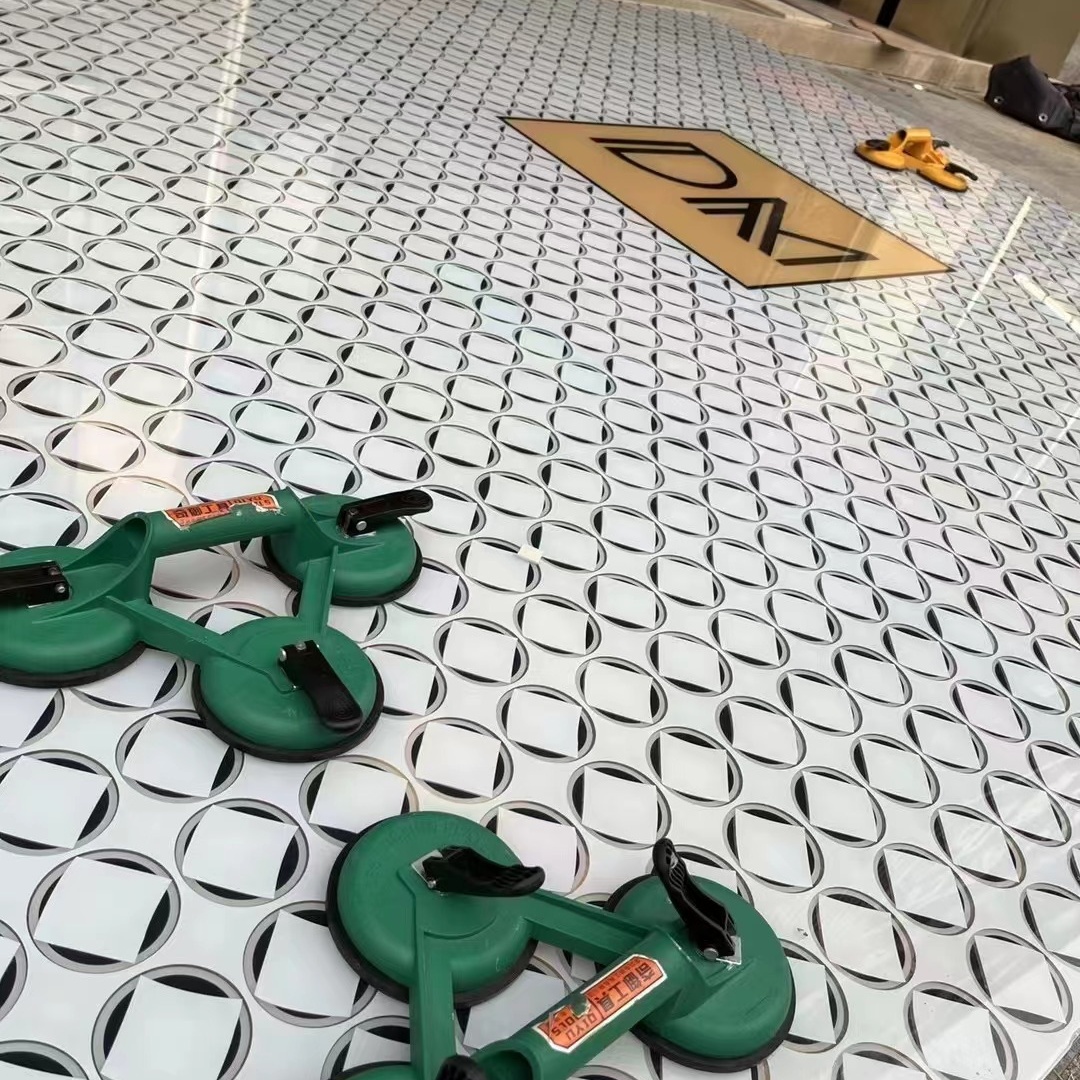
BIPV glass can be developed with different appearances and levels of light transmission. Some configurations prioritize electricity generation, while others balance power output with daylighting and visual design. The appropriate choice depends on the project's energy objectives and architectural requirements.
Key distinction: BIPV is defined by its integration into the building envelope, not simply by the presence of solar cells in a glass product.
2. How Does BIPV Glass Work?
BIPV glass uses photovoltaic materials to convert a portion of the incoming sunlight into direct-current electricity. The photovoltaic elements are incorporated into a product designed for architectural integration, and the resulting electrical output can be connected to suitable power conversion and building electrical systems.
STEP 01
Sunlight
Solar radiation reaches the photovoltaic glazing.
STEP 02
Conversion
The photovoltaic material converts part of the solar energy into DC electricity.
STEP 03
Electrical Integration
Suitable power electronics and wiring connect the output to the building system.
Actual energy production depends on the installed rated capacity, orientation, shading, irradiance, operating temperature, system losses and local climate. A project's energy yield should therefore be calculated using product-specific performance data and site conditions rather than inferred from glass dimensions alone.
3. Thin-Film vs. Crystalline Silicon BIPV Glass
Different photovoltaic technologies offer different design and performance characteristics. Two options identified in architectural BIPV product offerings are cadmium telluride (CdTe) thin film and monocrystalline silicon (Mono-Si).
| Comparison Factor | CdTe Thin Film | Mono-Si Crystalline Silicon |
|---|---|---|
| Technology | Thin-film photovoltaic material | Crystalline silicon photovoltaic cells |
| Design considerations | Evaluate the available glass format, optical properties and appearance of the selected product. | Evaluate cell layout, spacing, appearance and the selected glass assembly. |
| Power & daylight | Confirm rated power and light transmission for the proposed configuration. | Confirm rated power and light transmission for the proposed configuration. |
| Best selection method | Compare certified product data, appearance, output and system compatibility. | Compare certified product data, appearance, output and system compatibility. |
Neither technology should be selected on the basis of its name alone. The useful comparison is between actual products at the required transparency, panel dimensions and operating conditions, including power density, temperature behavior, warranty and lifecycle considerations.
4. Common Architectural Applications of BIPV Glass
Solar Facades
Solar facade glass can help buildings generate electricity from vertical surfaces that receive useful solar exposure. It is particularly relevant to projects seeking to integrate renewable energy into the architectural design rather than adding a separate solar installation.
Photovoltaic Curtain Walls
BIPV may be incorporated into suitable curtain wall zones, including configurations that prioritize daylight or more opaque zones that prioritize energy generation. The facade designer must coordinate glass appearance, structural support, drainage, electrical routing and replacement access.
Skylights and Canopies
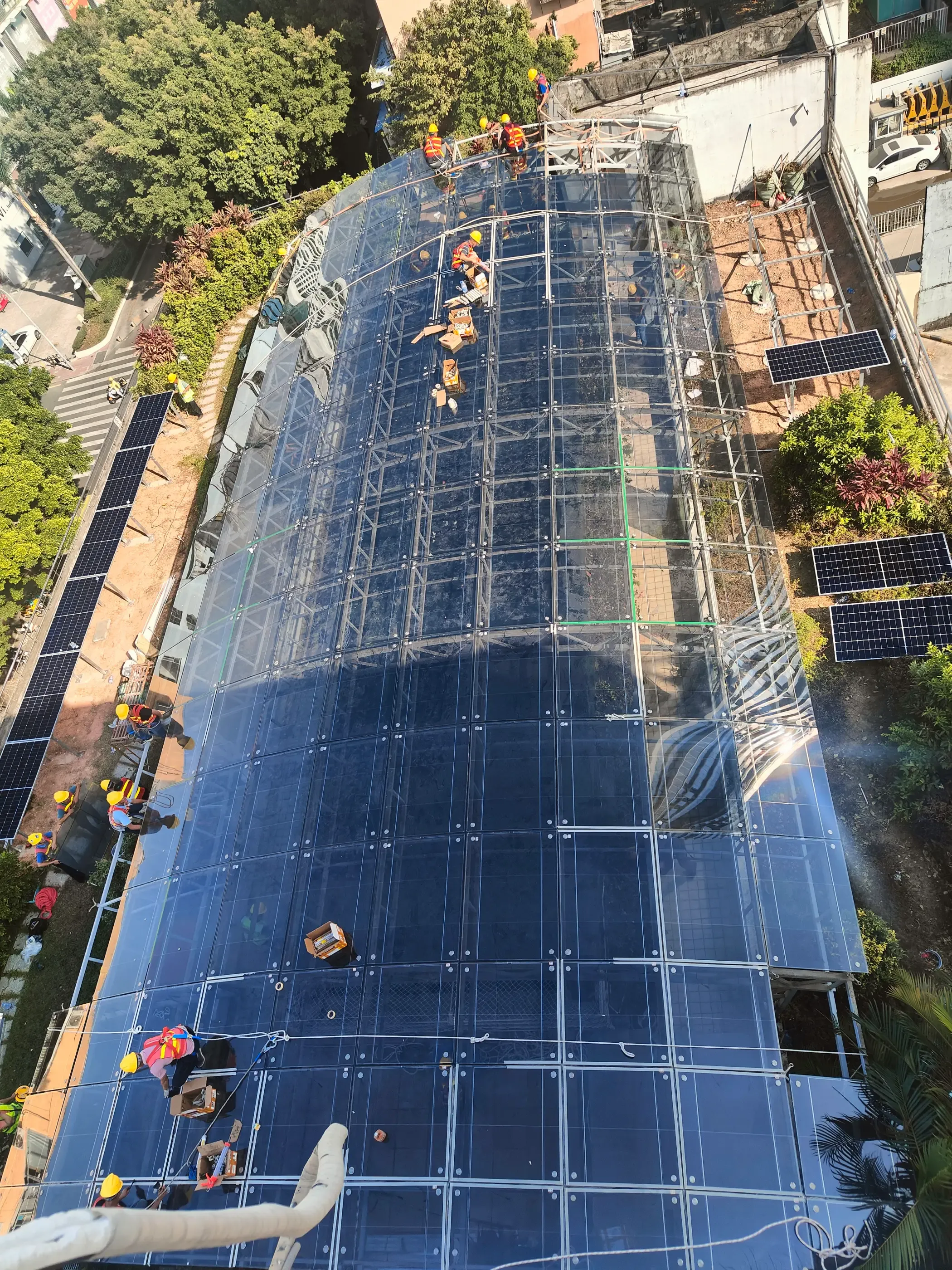
Photovoltaic glazing can be considered for overhead applications such as entrance canopies and selected skylights. These installations require careful evaluation of overhead glazing safety, impact resistance, water management, structural loads and thermal performance.
Commercial and Public Buildings
Offices, transport facilities, educational buildings and other commercial developments may use BIPV to support on-site renewable energy objectives. Feasibility depends on the building's exposure, facade area, energy demand, project budget and local regulations.
Explore True Glass BIPV solar glass solutions for project-specific dimensions, glass build-ups and sourcing requirements.
5. Benefits and Project Considerations
Integrating Power Generation into the Building Envelope
BIPV can allow selected facade or roof glazing areas to contribute to electricity generation. Where the design is suitable, this can make productive use of building surfaces while maintaining an architectural glazing function.
Balancing Transparency and Energy Output
A key design decision is how to balance visible light transmission with power generation. More transparent configurations may admit more daylight but can produce a different power output from more opaque alternatives. The trade-off must be evaluated using actual VLT and rated-power data.
Architectural Coordination
Color, pattern, panel dimensions and module layout affect the visual rhythm of a facade. Early coordination between the architect, facade consultant, glazing contractor, electrical engineer and supplier helps reduce redesign and interface problems.
Lifecycle and Sustainability Assessment
Potential environmental benefits should be evaluated against actual electricity yield, product lifespan, replacement requirements, embodied impacts and local energy conditions. Avoid assuming that every BIPV installation will automatically achieve a particular carbon saving or payback period.
Safety, Maintenance and Compliance
BIPV glass must satisfy the requirements applicable to its intended location. These may include glazing safety, structural loading, fire performance, electrical safety, weatherproofing, maintenance access and system-level certification. Documentation should match the exact proposed configuration.
6. How to Specify BIPV Glass for a Construction Project
For contractors, developers and facade consultants, the most effective approach is to establish the application and performance requirements before requesting quotations. The following checklist helps suppliers evaluate whether a proposed product is suitable.
01. Define the Application
Identify whether the glass is intended for a facade, curtain wall, skylight, canopy or another building component. Provide project location and basic system details.
02. Confirm the Glass Build-Up
Specify the glass thickness, heat-treatment requirements, lamination construction and whether integration into an insulated glass unit is required. Confirm compatibility with the selected PV product.
03. Establish Optical and Electrical Targets
Define target VLT, appearance and rated power. Request the relevant electrical datasheet, performance tolerances and test conditions rather than relying on general product descriptions.
04. Review Engineering and Compliance
Confirm dimensions, support details, wind loads, safety requirements, fire classification where relevant, electrical interfaces and documentation required for the project jurisdiction.
05. Plan Samples, Logistics and Delivery
Allow time for sample approval, mock-ups where required, technical submittals, production scheduling, export packaging and international shipping. Confirm lead times with the supplier for the actual order scope.
A clear specification reduces ambiguity during quotation and helps all project stakeholders compare technically suitable options rather than comparing prices for different product configurations.
7. Frequently Asked Questions About BIPV Glass
Is BIPV glass the same as solar glass?
The terms overlap, but BIPV specifically refers to photovoltaic products designed to form part of a building. Solar glass can be used in different solar-related applications, so the intended function and system integration should be confirmed.
Does BIPV glass need to be opaque?
No. Certain BIPV configurations allow light transmission, with the final appearance and transparency depending on the photovoltaic technology and product design. Actual VLT and rated power should be confirmed for the selected assembly.
Can BIPV glass replace conventional facade glazing?
It may serve as part of a building envelope when designed and approved for the intended application. Suitability depends on structural, safety, thermal, weatherproofing and electrical requirements; it should not be treated as a direct replacement without engineering review.
Is BIPV glass suitable for insulated glass units?
Some products can be designed for IGU integration. The complete assembly must be reviewed for compatibility, electrical routing, edge conditions, thermal behavior, moisture management and warranty coverage.
How much electricity can BIPV glass generate?
Output depends on the installed rated capacity, orientation, shading, irradiance, operating temperature and system losses. Request product-specific power data and use a site-based energy assessment for yield estimates.
What should I send to a BIPV glass supplier?
Start with drawings, panel dimensions, quantities, application, required glass build-up, transparency target, power requirements, project location, applicable standards and expected delivery date. Preliminary drawings can be used to begin a feasibility review.
Integrating BIPV Glass into Your Next Project
BIPV glass offers a way to bring renewable electricity generation into architectural glazing, but successful implementation depends on choosing a suitable photovoltaic technology and coordinating it with the complete building envelope. Early specification review helps align visual design, power output, safety, compliance and delivery requirements.
True Glass supports project-oriented sourcing for customized architectural glass. If you are evaluating photovoltaic glazing for a commercial facade, curtain wall, skylight or canopy, share your preliminary requirements to begin a product and specification review.
Explore BIPV Glass → Discuss Your Project