What Is Laminated Glass? Types & Uses | True Glass
Discover how laminated glass works, compare PVB and SGP interlayers, and explore safety, acoustic, facade and security applications for architectural projects.
Glass Technology / Architectural Safety
What Is Laminated Glass? Types, Benefits & Applications
Laminated glass is widely used in architectural glazing where fragment retention, safety, acoustic performance or specialized design matters. Learn how it is made, how PVB and SGP interlayers differ, and how to select the right glass configuration for a construction project.
Glass is a defining material in modern architecture, from commercial facades and storefronts to balconies, skylights and interior partitions. However, not all glass behaves the same way when it breaks. Where the retention of broken fragments or specific post-breakage performance is important, laminated glass can be an appropriate solution.
Understanding laminated glass requires more than knowing its total thickness. Glass type, interlayer material, number of plies, fabrication details and the intended installation all influence performance. This guide explains the main considerations for architects, developers, contractors and glass buyers.
1. What Is Laminated Glass?
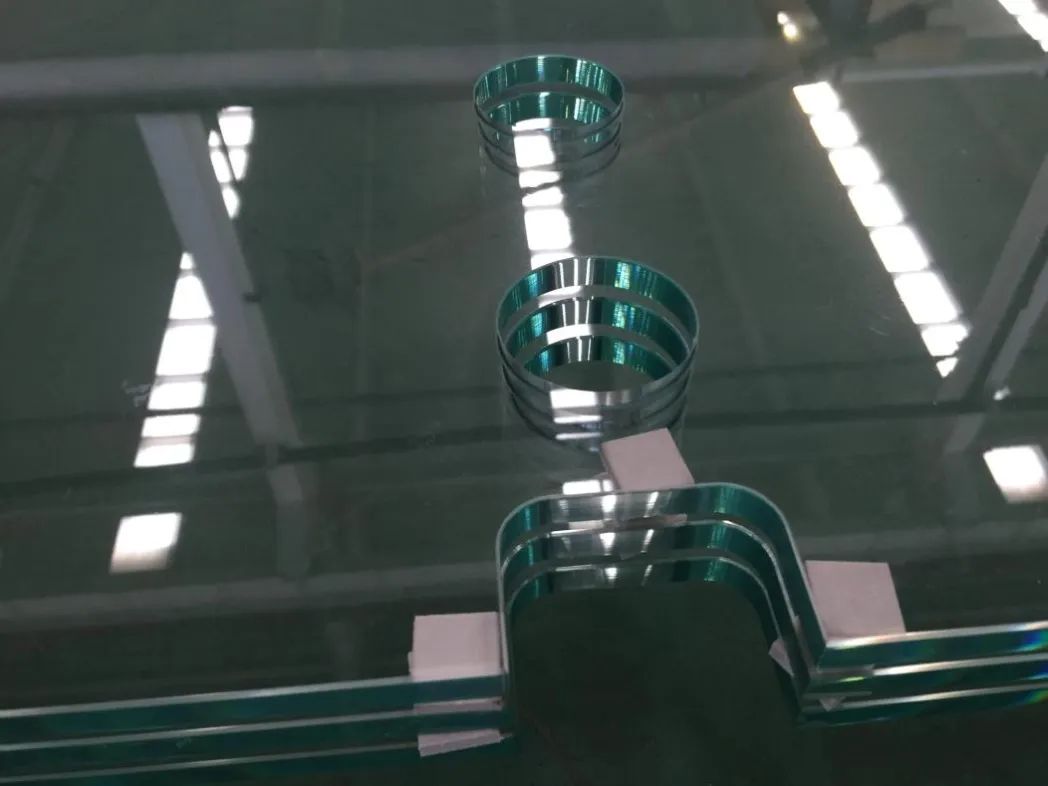
Laminated glass is a type of safety glass made by bonding two or more glass plies with an interlayer, typically using a controlled heat and pressure process. The interlayer helps hold fragments together if the glass breaks, reducing the likelihood of loose pieces falling away.
The glass plies can be annealed, heat-strengthened or tempered, depending on the intended application and the selected product construction. The interlayer may be clear, colored, acoustic or designed for other specific performance characteristics.
Laminated glass is not automatically bullet-resistant, burglar-resistant or suitable for every structural application. Those capabilities require a specifically engineered assembly and, where applicable, test evidence for the required performance level.
In simple terms: Laminated glass combines multiple glass plies with an interlayer to help maintain fragment retention after breakage. Its final performance depends on the complete assembly.
2. How Is Laminated Glass Made?
Laminated glass production generally involves preparing the glass plies, placing an interlayer between them and bonding the assembly using a process suited to the selected interlayer. The manufacturing route varies with the material and product design.
STEP 01
Glass Preparation
Glass is cut and processed to the required dimensions, with edgework, holes and other fabrication completed in the appropriate sequence.
STEP 02
Interlayer Assembly
The selected interlayer is positioned between the glass plies, with cleanliness and alignment carefully controlled.
STEP 03
Bonding & Inspection
The assembly is bonded using a compatible production process, then inspected for quality and conformity to the required specification.
Autoclave processing is commonly used for PVB laminated glass, while other interlayer materials may use different process conditions or equipment. The appropriate production method depends on the interlayer manufacturer's requirements and the glass processor's validated process.
3. PVB vs. SGP vs. EVA: Understanding Laminated Glass Interlayers
The interlayer influences how laminated glass behaves under impact, how it performs after breakage and whether it is suitable for specific processing or environmental conditions. Three commonly discussed options are PVB, SGP / ionoplast and EVA.
| Factor | PVB | SGP / Ionoplast | EVA |
|---|---|---|---|
| General characteristics | Widely used architectural interlayer with a broad range of product grades. | Higher stiffness than conventional PVB in many relevant conditions. | Used in selected specialty and decorative laminated glass processes. |
| Key considerations | Grade, adhesion, acoustic options and environmental exposure. | Structural design, temperature-dependent behavior and edge conditions. | Compatibility, durability and the specific lamination process. |
| Potential applications | Doors, windows, facades and general safety glazing. | Selected structural glazing, balustrades and demanding assemblies. | Selected decorative and specialty glass assemblies. |
PVB is often a practical starting point for general architectural laminated glass, while SGP / ionoplast may be considered where higher interlayer stiffness is beneficial. EVA may suit selected specialty manufacturing requirements. None should be selected on material name alone: the required glass build-up, loads, temperature range, edge exposure and applicable performance criteria all matter.
For a project-specific comparison, see True Glass laminated glass solutions and provide the intended application and required glass construction.
4. Laminated Glass vs. Tempered Glass
Laminated glass and tempered glass are not mutually exclusive categories. They describe different aspects of a glazing product: lamination refers to the bonded multi-ply construction, while tempering is a heat-treatment process applied to an individual glass ply.
| Comparison | Laminated Glass | Monolithic Tempered Glass |
|---|---|---|
| Construction | Two or more glass plies bonded by an interlayer. | A single glass lite strengthened by heat treatment. |
| Breakage behavior | The interlayer helps retain fragments, although the panel may still lose load-bearing capacity. | Typically fractures into many smaller pieces when fully tempered glass breaks. |
| Typical selection driver | Fragment retention, multi-ply performance or a specified interlayer function. | Strength and safety requirements suited to tempered glass. |
| Can they be combined? | Yes. Laminated assemblies can use tempered plies. | Tempered glass can form one or more plies in a laminated assembly. |
For example, a project may specify two tempered glass plies laminated with PVB or SGP. This combines the heat-treated properties of the individual plies with the fragment-retention function of the interlayer. Whether that construction is suitable depends on the application and the required system performance.
5. Common Applications of Laminated Glass
Building Facades and Curtain Walls
Laminated glass can be specified for suitable facade and curtain wall configurations where fragment retention, impact performance or other project requirements apply. Glass type, interlayer and support conditions must be coordinated with the facade system.
Balconies, Staircases and Glass Railings
Glass balustrades often require laminated assemblies designed for the specified loads, impact conditions and post-breakage behavior. The complete railing system, including supports and fixings, must be assessed rather than relying on glass thickness alone.
Skylights and Overhead Glazing
Laminated glass is commonly considered for overhead glazing because the interlayer can help retain fragments after breakage. The exact glass construction and support system must meet the applicable overhead glazing safety requirements.
Storefronts and Security Applications
Laminated glass can be used in shopfronts and selected security glazing systems. Higher resistance to forced entry or other threats requires a product specifically designed and tested for the intended protection level.
Acoustic and Decorative Glazing
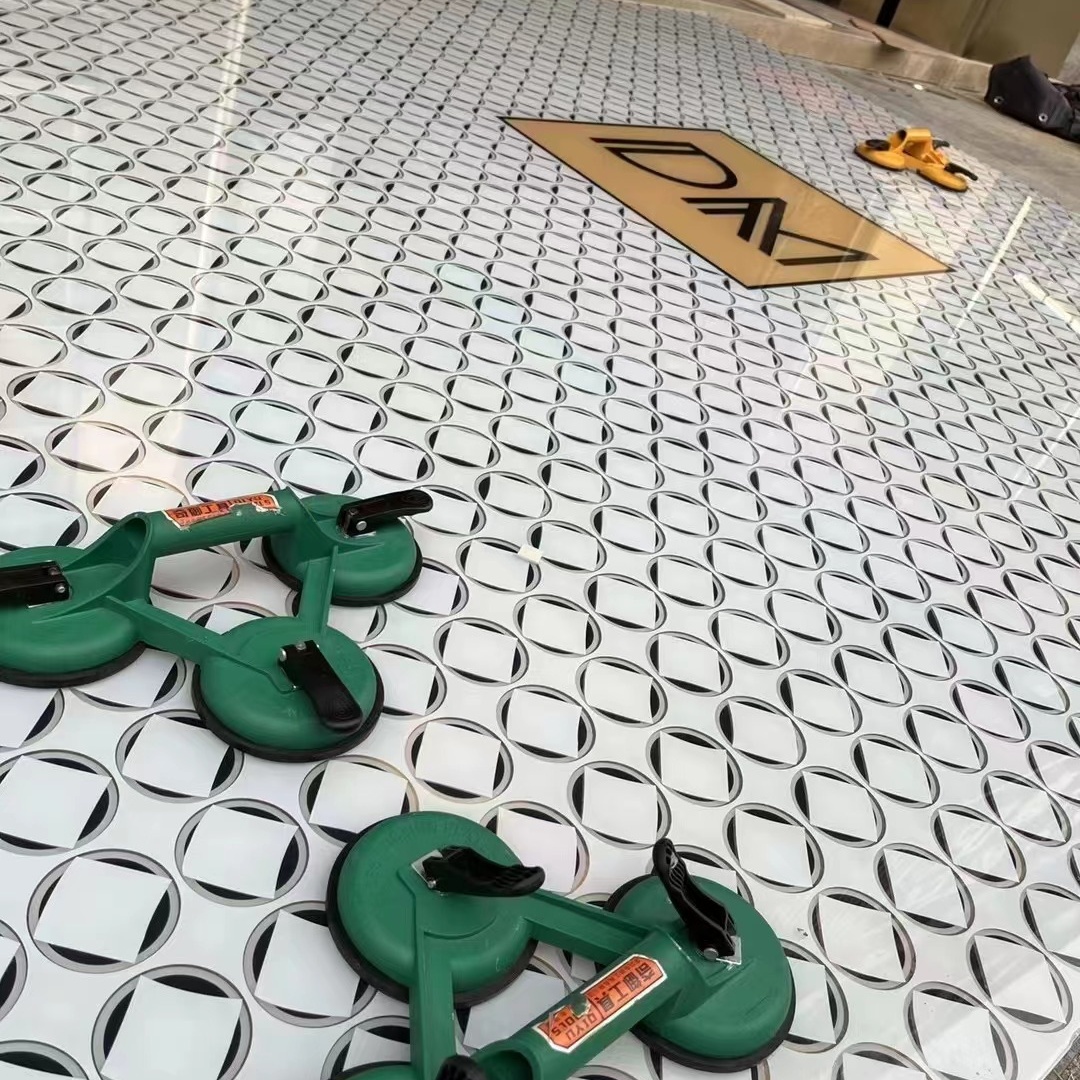
Acoustic interlayers may help reduce sound transmission in selected glazing systems. Colored interlayers, printed glass and specialty combinations also allow designers to integrate visual effects into partitions, facades and interior features.
For customized glass dimensions, interlayer selection and project-specific configurations, visit True Glass Laminated Glass.
6. Benefits and Limitations of Laminated Glass
Fragment Retention After Breakage
The interlayer helps hold fragments together, which can reduce the risk of broken pieces falling away. However, a cracked laminated panel may still be unsafe or unable to carry its design loads. Replacement, temporary protection or other measures may be required after damage.
Potential Acoustic and UV Benefits
Specific interlayers can improve acoustic performance or reduce UV transmission. These benefits depend on the selected grade and full glazing configuration. Project teams should request test data when measurable performance is required.
More Complex Fabrication and Cost
Laminated glass generally requires additional processing compared with a single glass lite. Interlayer selection, multi-ply constructions, oversized panels, complex shapes and specialty fabrication may increase manufacturing time, cost and transportation requirements.
Performance Depends on Design and Installation
A suitable interlayer does not by itself guarantee structural safety, security resistance or compliance. Glass thickness, support details, edge conditions, loads, environmental exposure and the complete installation must all be considered.
7. How to Choose Laminated Glass for a Construction Project
For a reliable quotation and a technically suitable product, define the application and required performance before selecting a nominal glass thickness. The following checklist can help architects, facade contractors and procurement teams prepare a clear specification.
01. Identify the Application
Confirm whether the glass is intended for a facade, balustrade, skylight, storefront, partition or security application. Include the project location and installation conditions.
02. Define the Required Performance
Specify impact classification, structural loads, acoustic targets, UV requirements or security performance as applicable. Identify relevant local codes and project standards.
03. Confirm the Glass Build-Up
Provide the glass ply thicknesses, glass type, interlayer material and thickness, number of plies and overall nominal thickness. Confirm whether heat-treated glass is required.
04. Submit Drawings and Fabrication Details
Include panel dimensions, quantities, edgework, holes, notches, cut-outs, shape details, tolerances and any coating or printing requirements. Confirm which processing operations must be completed before tempering and lamination.
05. Review Documentation and Delivery
Request applicable datasheets, test reports, certificates and warranty information. Confirm sample or mock-up needs, production lead time, export packing and delivery schedule.
For custom or structural applications, drawings and performance requirements should be reviewed before production. This helps ensure that the quoted configuration is technically appropriate and that all parties are working from the same specification.
8. Frequently Asked Questions About Laminated Glass
Is laminated glass stronger than tempered glass?
The two terms describe different properties. Tempering improves the strength of an individual glass lite, while lamination bonds multiple plies with an interlayer. The strength and post-breakage performance of a laminated assembly depend on its construction and design. A laminated product may also use tempered glass plies.
Does laminated glass break?
Yes. Laminated glass can crack or break under sufficient impact or loading. The interlayer helps retain fragments, but it does not guarantee that the panel remains safe to use or continues to carry its original loads after damage.
Is PVB or SGP better for laminated glass?
Neither is universally better. PVB is widely used for architectural safety glazing, while SGP / ionoplast may offer advantages where higher interlayer stiffness is required. The best choice depends on structural design, environmental conditions, post-breakage criteria and cost.
Can laminated glass reduce noise?
Selected acoustic interlayers and glazing constructions can improve sound insulation. Actual performance depends on glass thicknesses, interlayer type, frequency range, frame design and the complete window or facade system.
Can laminated glass be used for glass floors or structural glazing?
Specially engineered laminated glass assemblies may be suitable for selected structural or load-bearing applications. These applications require project-specific engineering, appropriate interlayers, suitable support conditions and verification of the applicable safety and post-breakage requirements.
What standards apply to laminated glass?
Requirements depend on the country, application and performance category. Examples include ASTM C1172, EN 14449 and the ISO 12543 series. Additional standards may apply to impact, security or structural applications. Confirm the required edition and applicable evidence with the project team and supplier.
Source Laminated Glass for Your Next Project
Laminated glass offers design flexibility and fragment-retention benefits across a wide range of architectural applications. Successful specification depends on selecting the right glass plies, interlayer and fabrication details for the intended performance and installation conditions.
True Glass supports project-based architectural glass sourcing, from drawing review and configuration coordination to technical documentation and delivery planning. Share your drawings or preliminary specifications to start a project review.
Explore Laminated Glass → Discuss Your Project