What Is Low-E Glass? Types, Benefits and How It Works
Low-E glass helps manage heat transfer through windows and facades while letting in natural light. This guide explains how it works and how to choose the right coating for a project.
Architectural Glass Guide
What Is Low-E Glass? Types, Benefits and How It Works
Low-E glass helps manage heat transfer through windows and building facades while allowing natural light into interior spaces. Learn how Low-E coatings work, how soft-coat and hard-coat products differ, and how to compare thermal and solar performance.
What Is Low-E Glass?
Low-E glass, short for low-emissivity glass, is architectural glass with a specialised coating that reduces the amount of long-wave infrared radiation emitted or transferred through the glazing. The coating is usually made from extremely thin layers of metallic or metal-oxide materials.
Ordinary clear glass allows visible light to pass through, but heat transfer through a window also involves radiation, conduction and convection. A Low-E coating changes the radiative component of this heat transfer, helping the complete glazing system achieve better thermal performance.
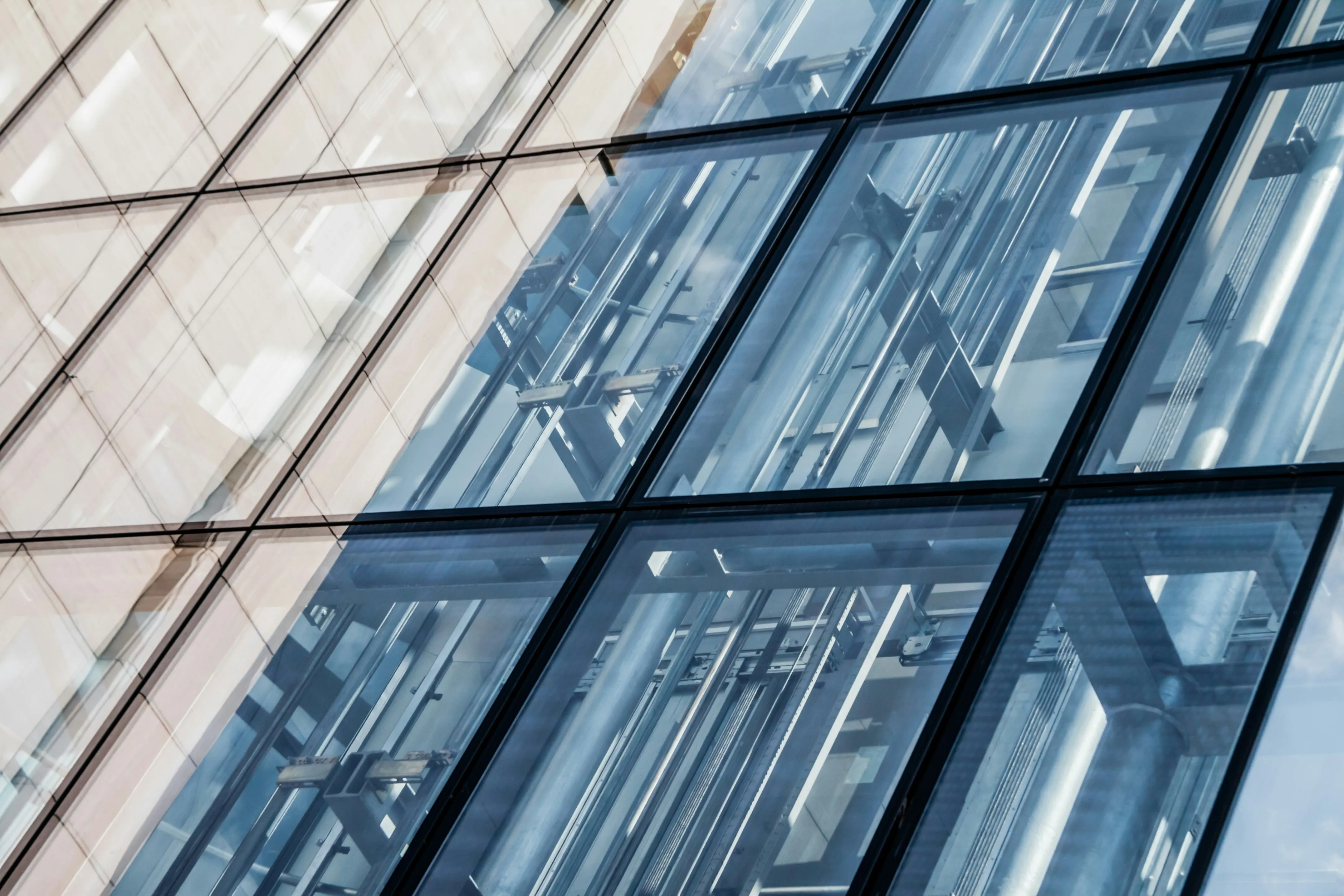
Low-E glass is widely used in residential windows, commercial curtain walls, skylights and insulating glass units. Depending on the coating design, it can prioritise heat retention, solar control or a balance of daylight and energy performance.
Low-E is not a single fixed specification. Different products have different visible light transmission, reflectance, solar heat gain and thermal insulation characteristics. The appropriate option should be selected according to the project requirements.
How Does Low-E Glass Work?
Solar radiation includes ultraviolet, visible and near-infrared wavelengths. A building also exchanges long-wave infrared radiation with its surroundings. Low-E coatings are designed to influence these energy transfers while maintaining a suitable level of visible light transmission.
In Cold Weather
A suitable Low-E glazing system can reduce heat loss from indoors to outdoors, helping maintain indoor comfort and improve overall thermal insulation.
In Warm Weather
Solar-control Low-E coatings can reduce unwanted solar heat gain, helping limit overheating and cooling demand when appropriately specified.
For Natural Daylight
Coating designs can be selected to maintain useful visible light transmission while controlling solar energy and exterior appearance.
The best balance depends on the climate and building design. In colder climates, allowing some beneficial solar heat gain may be desirable. In hot, sunny climates, reducing solar heat gain may be a higher priority. Facade orientation, shading and window area also affect the final result.
Low-E coatings are commonly combined with double or triple glazing. The insulating cavity, gas fill, spacer system and frame also influence the overall performance of the window or facade.
Soft-Coat vs. Hard-Coat Low-E Glass
The two main commercial Low-E coating technologies are soft-coat sputtering and hard-coat pyrolytic deposition. They differ in manufacturing process, coating durability and processing requirements.
| Feature | Soft-Coat Low-E | Hard-Coat Low-E |
|---|---|---|
| Manufacturing process | Magnetron sputtering in a vacuum coating line | Pyrolytic deposition during float glass production |
| Coating structure | Typically multiple thin functional layers | Typically a durable coating bonded to the glass surface |
| Thermal and solar options | Broad range of high-performance coating designs | Depends on the specific hard-coat product range |
| Handling and processing | Often requires careful handling, edge deletion and protection within an IGU | Generally more durable during handling and storage |
| Typical application | High-performance insulating glass units | Selected window and facade applications, subject to product approval |
Soft-coat Low-E products commonly provide a broad selection of optical and solar-control performance levels. Because many soft coatings are sensitive to handling and environmental exposure, they are typically installed on a protected surface within an insulating glass unit.
Hard-coat Low-E is generally more durable and may be suitable for certain monolithic applications. However, not every hard-coat product has the same performance or processing permissions. Always check the technical documentation for the exact coating series.
Single-, Double- and Triple-Silver Low-E Glass
Many soft-coat Low-E products use silver as an important functional material in their coating system. Product names such as single-silver, double-silver and triple-silver generally refer to the number of silver functional layers.
Single-Silver Low-E
A common choice for projects seeking a practical balance of thermal insulation, daylight and solar performance. Its suitability depends on the specific coating and glazing build-up.
Double-Silver Low-E
Can offer greater flexibility in controlling solar energy and visible light than some single-silver products. Performance must be evaluated using the actual product data rather than the silver-layer count alone.
Triple-Silver Low-E
Often used in high-performance solar-control glazing, where designers seek strong solar energy management while maintaining useful daylight transmission.
A triple-silver coating is not automatically the best option for every building. A project with a high daylight target, a cold climate or a different facade orientation may require a different balance of visible light transmission, SHGC and U-value.
Understanding U-Value, SHGC and VLT
Three common performance indicators help compare Low-E glazing options. They describe different properties and should be reviewed together.
U-Value: Thermal Insulation
U-value measures the rate of heat transfer through a glazing system for a given temperature difference. A lower value indicates better thermal insulation. Confirm whether the figure refers to the centre of glass, the complete glazing unit or the whole window system.
SHGC: Solar Heat Gain Coefficient
SHGC measures the fraction of incident solar energy that enters through the glazing, including directly transmitted solar energy and absorbed energy that flows inward. A lower SHGC generally means less solar heat gain.
VLT: Visible Light Transmittance
VLT measures the proportion of visible light passing through the glass. A higher VLT generally allows more daylight indoors. The desired value depends on the building's daylighting goals, facade design and solar-control requirements.
When comparing quotations, make sure the performance figures use comparable glass thicknesses, cavity widths, gas fills, coating positions and calculation standards. A U-value or SHGC from one glazing build-up should not be applied to another configuration without verification.
Where Is Low-E Glass Used?
Commercial Curtain Walls
Low-E glazing helps facade designers balance solar control, daylight, exterior reflectance and thermal performance in office buildings, hotels and other commercial developments.
Residential and Commercial Windows
Low-E coatings can improve the energy performance of window systems while maintaining views and natural light. The suitable coating depends on the climate, orientation and frame system.
Skylights and Roof Glazing
Low-E glass can help manage solar and thermal performance in overhead glazing. The complete assembly must also satisfy the relevant safety, structural and weather-resistance requirements.
Insulating Glass Units
Low-E coatings are commonly combined with double or triple glazing. The coating works alongside the insulating cavity, gas fill, spacer and frame to influence the performance of the complete window or facade system.
How to Choose the Right Low-E Glass
Choosing Low-E glass begins with the project's performance goals rather than a coating name alone. Before selecting a product, review the following information.
- Identify the climate and orientation: Consider heating and cooling needs, facade direction, solar exposure and shading.
- Set the performance targets: Establish the required U-value, SHGC and visible light transmission for the relevant glazing assembly.
- Select the coating technology: Review soft-coat and hard-coat options based on performance, durability and intended use.
- Confirm the glass build-up: Specify the substrate, thickness, number of panes, cavity, gas fill and coating surface where applicable.
- Check processing compatibility: Confirm whether the selected product can be tempered, laminated, bent or used in the intended IGU.
- Verify project compliance: Check the applicable energy codes, safety standards, documentation and testing requirements.
For project procurement, a glass schedule or performance specification is usually the most useful starting point. It helps suppliers compare suitable options and reduces the risk of quoting products that do not meet the design intent.
Frequently Asked Questions
Does Low-E glass make a building completely heatproof?
No. Low-E glass helps manage radiative heat transfer, but it does not eliminate heat gain or heat loss. Overall performance depends on the glazing assembly, frame, air leakage, installation, shading and building design.
Is soft-coat Low-E better than hard-coat Low-E?
Neither is universally better. Soft-coat products often provide a wider range of high-performance optical and solar-control options, while hard-coat products generally offer greater coating durability. The right choice depends on performance targets and processing requirements.
Is triple-silver Low-E always more energy-efficient than single-silver Low-E?
Not in every respect. Triple-silver coatings can offer strong solar-control performance, but the overall result depends on the specific coating and glass configuration. Compare U-value, SHGC, VLT and reflectance for the actual proposed build-up.
Can Low-E glass be used as a single pane?
Some hard-coat Low-E products may be suitable for monolithic applications. Many soft-coat products are designed to be protected within an insulating glass unit. Always check the product-specific instructions before specifying a single-pane application.
Does Low-E glass reduce energy bills?
Low-E glazing can reduce heating or cooling demand when correctly selected and installed, but actual energy savings depend on the building envelope, climate, HVAC systems, occupancy and operating conditions. Avoid assuming a fixed percentage of savings without a project-specific analysis.
Explore Low-E Glass for Your Project
Low-E glass can help balance thermal insulation, solar control and daylight in modern architectural glazing. The most suitable product depends on the project location, glass build-up and performance requirements.
If you are specifying Low-E glass for a curtain wall, window system or insulating glass unit, share your drawings and performance targets to begin a project-specific review.
For enquiries, contact sales@true-glass.com.