Architectural Glass: A Complete Guide for Architects and Contractors

Quick Answer: Architectural glass is engineered and processed for building applications where safety, structural performance, thermal insulation, solar control, acoustics, appearance and durability are important. The correct glass should be selected according to the complete project specification.
What Is Architectural Glass?
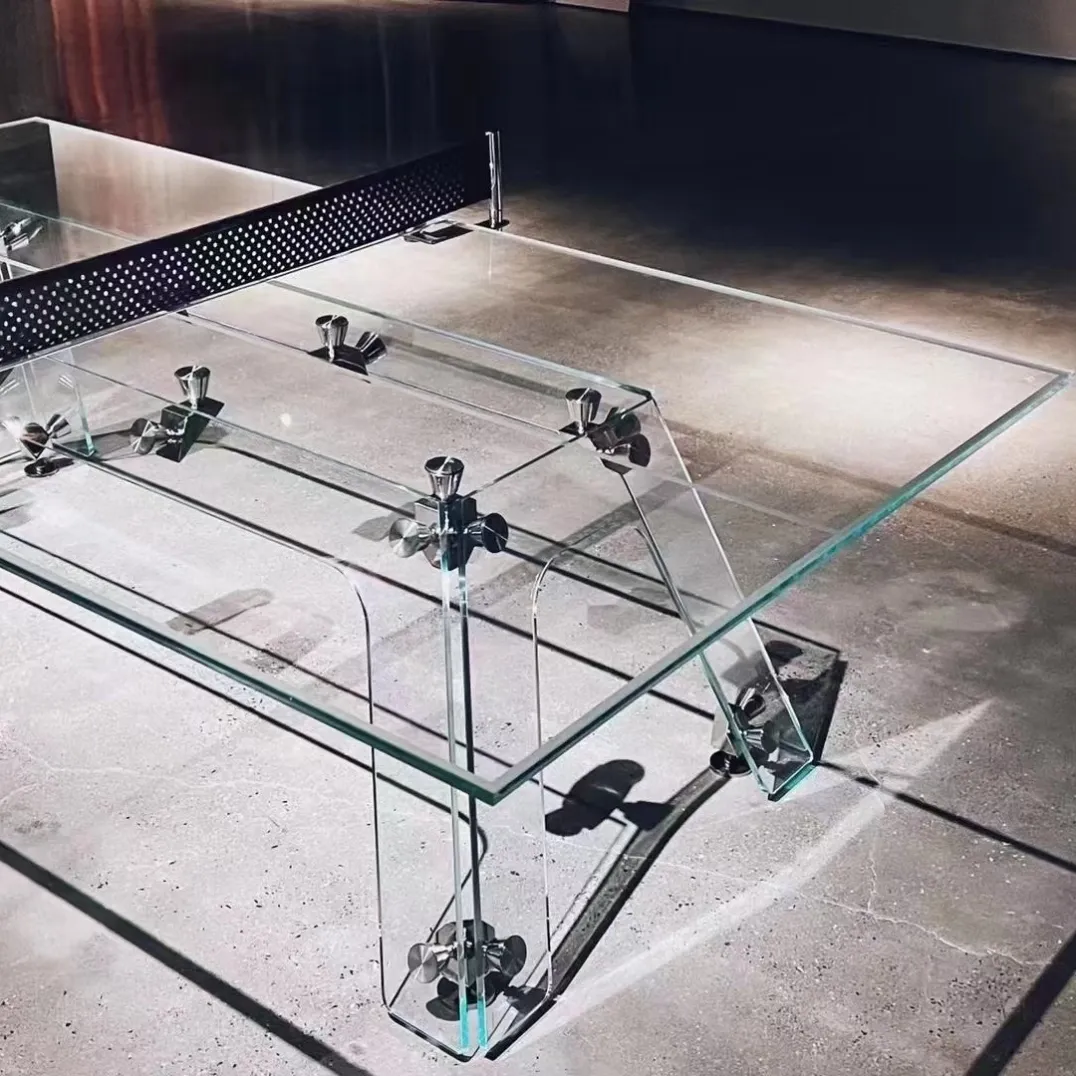
Architectural glass is used throughout modern buildings, from large curtain wall facades to interior partitions and display systems. It can be manufactured and processed in many different ways to meet specific architectural and engineering requirements.
Major Architectural Glass Categories
Processed Glass
Processed glass includes tempered, heat-strengthened, laminated, insulated and curved glass. These products modify the basic glass substrate to achieve different performance characteristics.
True Glass supplies customized Curved / Bent Glass for projects requiring non-flat geometry.
Coated Glass
Coated glass can provide thermal, solar-control or optical performance. Low-E and solar-control coatings are particularly important for commercial facades.
Safety and Security Glass
Tempered and laminated glass are widely used where safety and post-breakage performance are important.
Performance Glass
Specialty performance glass can address acoustic, solar, energy-efficiency, bird-safety and other project requirements.
Smart Glass
Switchable PDLC glass can change between opaque and clear states when electrical power is applied. True Glass supplies PDLC Switchable Privacy Glass for applications such as conference rooms, healthcare partitions and hospitality spaces.
Decorative Glass
Decorative glass includes frosted, textured, patterned, printed and other specialty surfaces.
Architectural Glass Applications
| Application | Typical Requirements |
|---|---|
| Curtain Wall | IGU, Low-E, solar control, safety, structural performance |
| Windows & Doors | Tempered, laminated, insulated glazing |
| Railings | Laminated safety glass |
| Interior Partitions | Safety, privacy, acoustic and decorative performance |
| Museums | Low reflection, optical clarity and UV protection |
How Architects Should Specify Glass
A complete specification should include glass type, thickness, configuration, safety treatment, interlayer, coating, dimensions, processing, appearance and performance requirements.
For exterior glazing, an IGU may combine different glass types within the same unit to achieve thermal, solar and acoustic targets.
How Contractors Should Purchase Glass
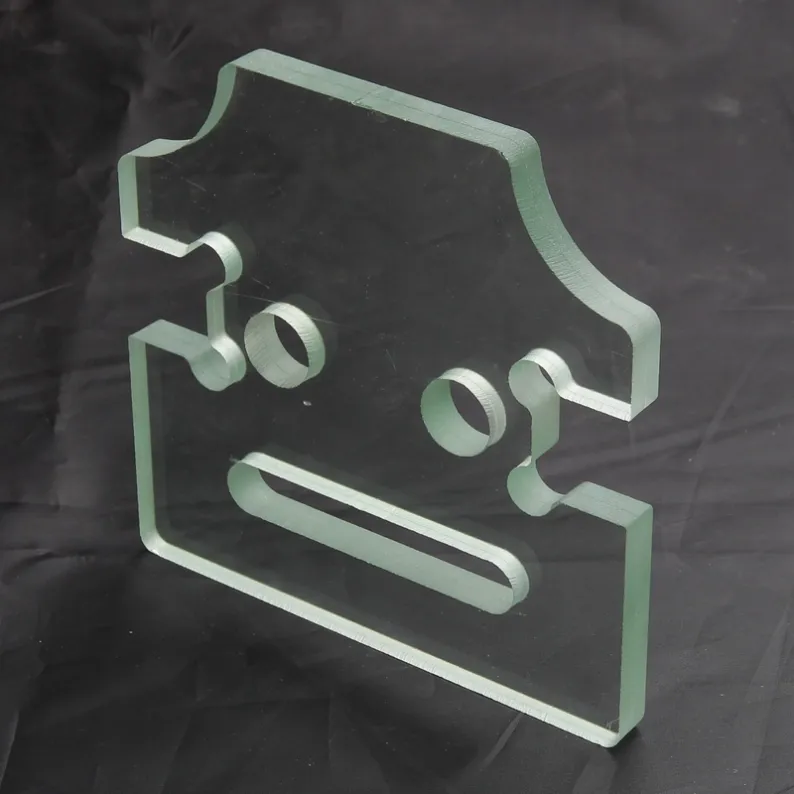
Contractors should provide the latest approved drawings and glass schedules when requesting quotations. Important information includes panel dimensions, quantity, glass build-up, processing, hardware holes, delivery location and project schedule.
Why Manufacturer Selection Matters
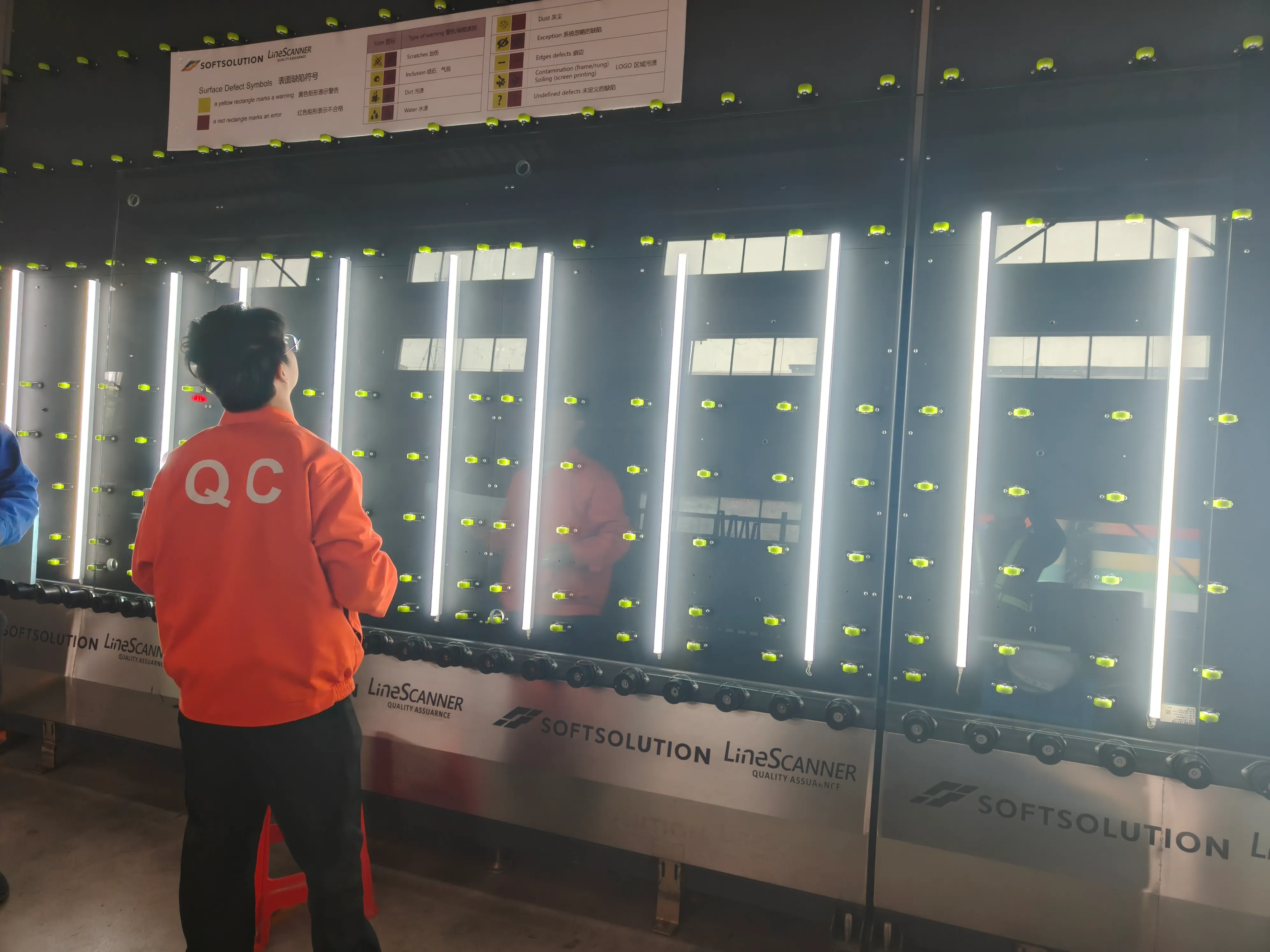
The glass supplier should be capable of reviewing the project requirements, producing the specified configuration, maintaining quality consistency and providing appropriate documentation.
True Glass focuses on technical support, manufacturing capability, quality control, customization and international shipping support.
Final Checklist
- Define application
- Select glass type
- Define thickness and build-up
- Confirm safety requirements
- Define thermal and solar performance
- Confirm acoustic requirements
- Define appearance
- Provide dimensions and drawings
- Define fabrication requirements
- Confirm standards and documentation
- Confirm packaging and delivery requirements
Have an Architectural Glass Project?
Whether you are an architect, contractor, facade company or glass buyer, send your project requirements to True Glass for review.
Contact True Glass